
16 Home Decor Ideas Aesthetic: Create a Space You’ll Never Want to Leave

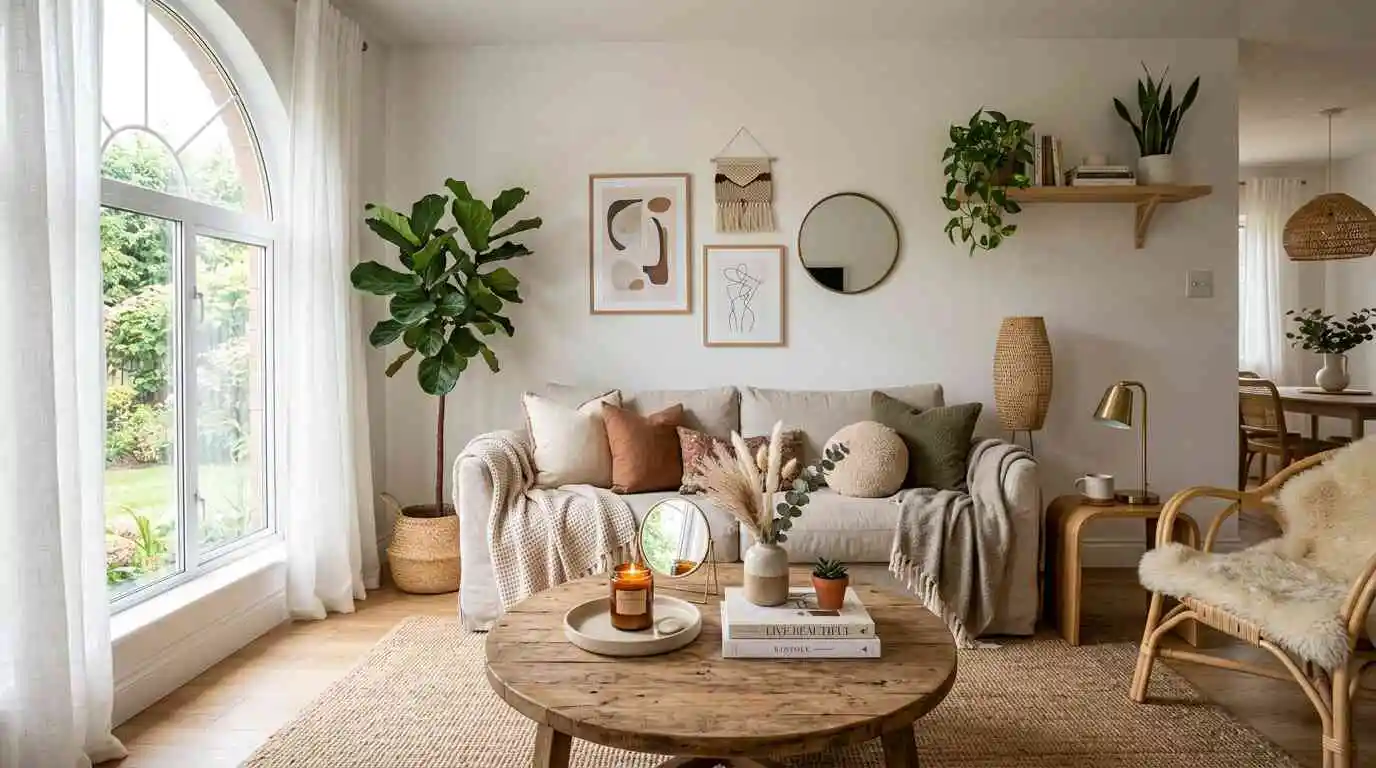
Great home decor isn’t about following one trend — it’s about layering the right colors, textures, and personal touches so every room feels intentional. Whether you lean cozy and warm or clean and midcentury modern, these 16 ideas will help you pull your whole home together with a cohesive, designer-level aesthetic that feels unmistakably yours.
1. Start With a Warm, Grounded Color Palette
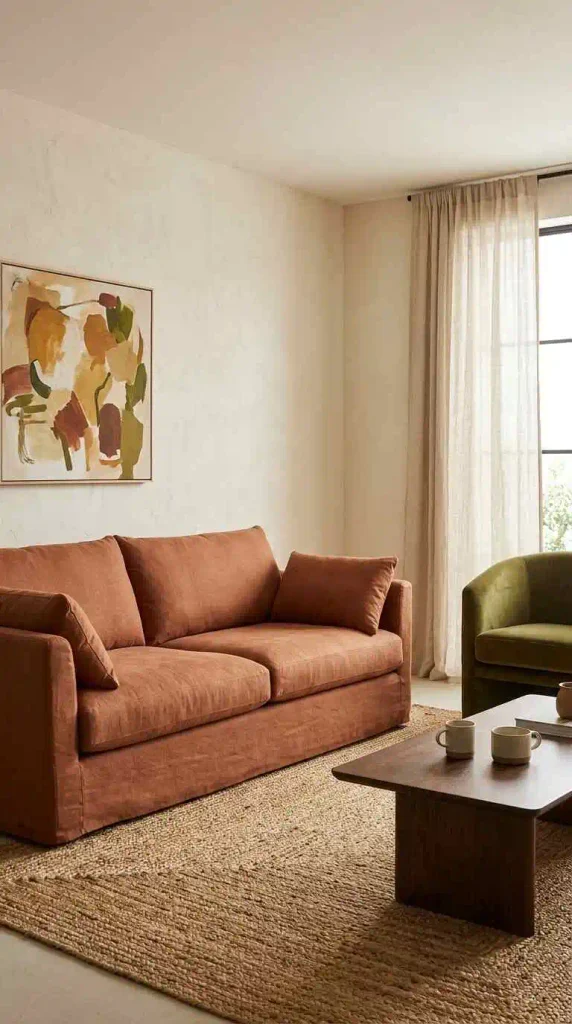
Before you buy a single piece of furniture or decor, choose 3–5 colors that will anchor every room in your home. This should include one neutral base (like warm white, greige, or oatmeal), one or two warm or cool accent tones, and a deeper grounding color for contrast and depth. Rather than starting from a random paint swatch, pull your palette from something you already love and respond to emotionally — a favorite rug, a piece of art, or even a jacket in your closet. Working from a fixed palette across your whole home, instead of choosing colors room by room, is what makes a house feel curated and cohesive rather than like a random collection of unrelated purchases. It also makes future shopping decisions faster and far less stressful.
Read more: DIY Home Decor Ideas: Simple Projects Anyone Can Make at Home
2. Layer Cozy Textures Everywhere
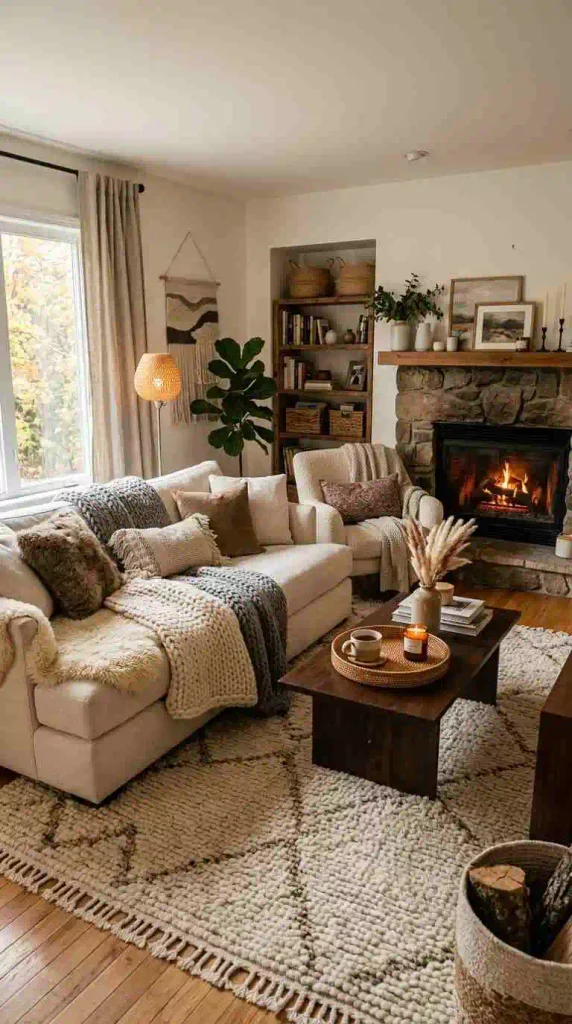
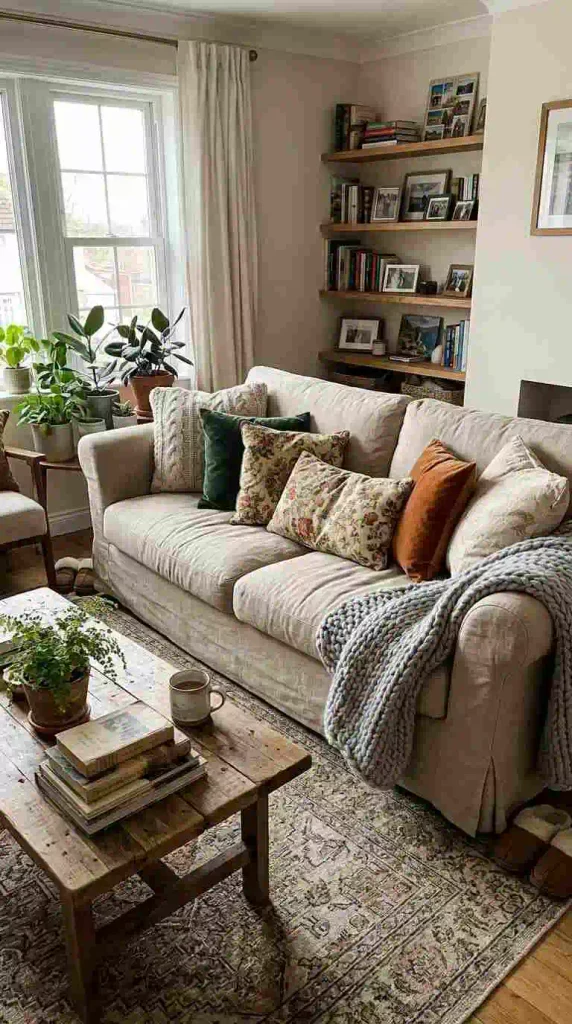
A room can have beautiful furniture and still feel flat and unfinished if it only has one or two textures. The fix is simple: mix at least three different textures in every room you decorate. Think chunky knit throws draped over a sofa, smooth leather on a chair, woven jute or rattan baskets for storage, matte ceramic vases, and warm natural wood on a coffee table or shelf. Texture is what separates a showroom-flat space from one that feels rich, layered, and genuinely lived-in. When shopping, resist buying everything in the same finish — pair something soft with something structured, and something rough with something smooth. This contrast is subtle, but it’s one of the biggest differences between an amateur room and a professionally styled one.
3. Style Your Coffee Table Like a Designer
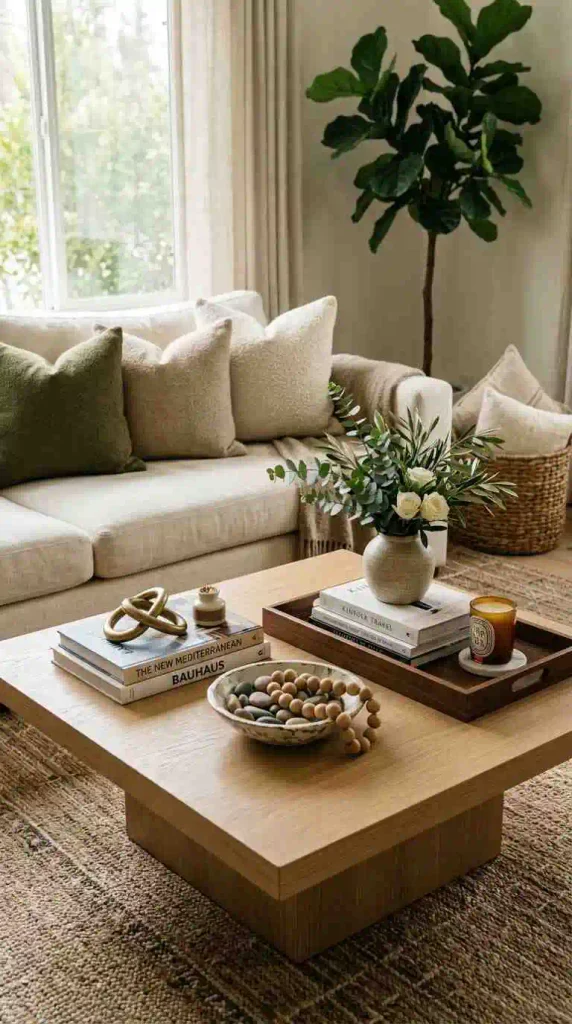
Your coffee table is one of the first things people notice when they walk into a living room, so it deserves real intention. Start by grouping objects in odd numbers — three or five items tend to feel more natural and balanced than an even number. Vary the height of each piece so the eye has somewhere to travel, and mix materials: a stack of hardcover books, a ceramic bowl with a few decorative objects inside, and a small plant or vase is a formula that works in almost any style of home. Just as important as what you add is what you leave out — resist the urge to fill every inch of space. Leaving visible negative space around your styled objects is what makes a table look curated rather than cluttered.
Read more: Home Decor Style Ideas: Simple Ways to Find and Create Your Own Look
4. Add Comfort to the Heart of the Home
Whether that’s your living room, your kitchen island, or a cozy reading nook, the heart of your home should feel like an invitation to linger, not a space that’s purely decorative. Keep a soft throw blanket within arm’s reach of your main seating area, choose a well-worn wooden cutting board that doubles as a serving piece, and prioritize seating that people actually want to sink into. It’s easy to get caught up in how a space photographs, but the rooms that feel best are the ones designed around how they’re actually used day to day. Ask yourself honestly whether each piece in this space earns its spot through comfort and function, not just appearance, and you’ll naturally end up with a room that feels warm and welcoming to everyone who walks in.
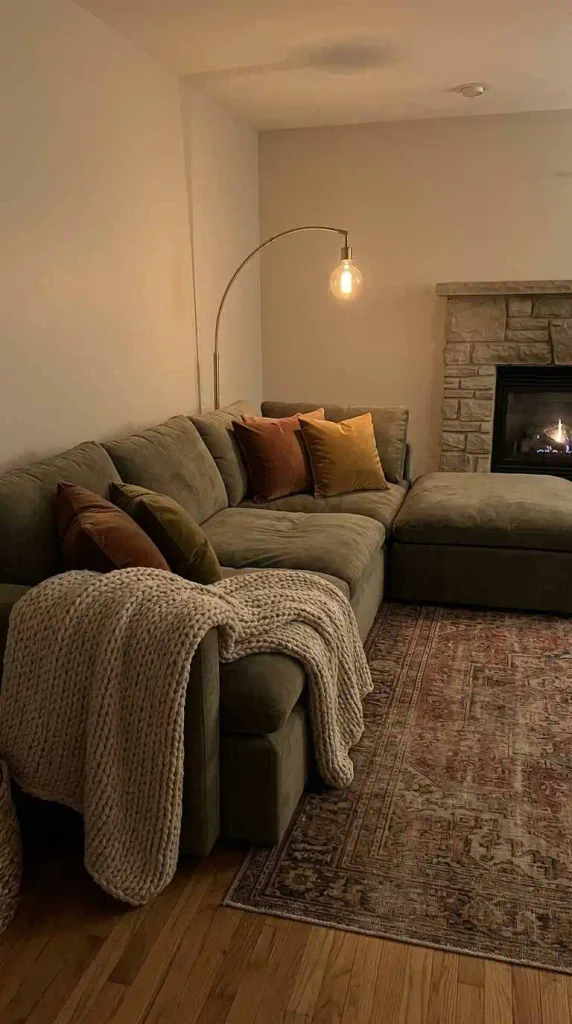
5. Add Plenty of Warm Lighting
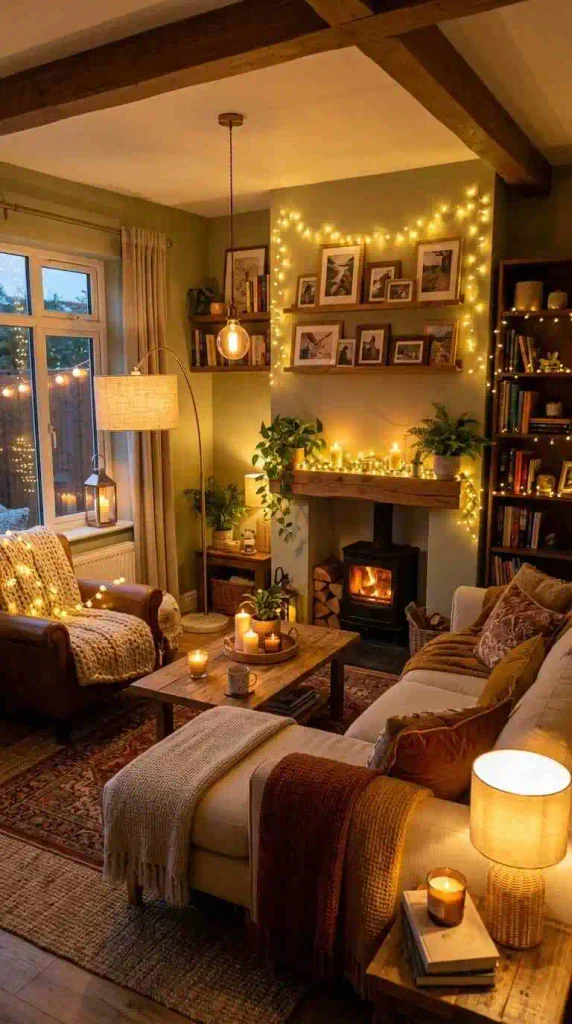
Lighting has more influence over the mood of a room than almost any other design choice, yet it’s often the most overlooked. Skip relying on a single harsh overhead fixture and instead layer three types of lighting in every room: ambient lighting (overhead or natural daylight), task lighting (reading lamps, under-cabinet lights in the kitchen), and accent lighting (candles, sconces, or a statement floor lamp). Beyond the number of light sources, the color temperature matters just as much — stick to warm-toned bulbs in the 2700K to 3000K range rather than cool white, which can make even a beautifully decorated room feel sterile and uninviting. Dimmer switches are a small investment that make an enormous difference, letting you shift a room’s entire mood from bright and functional to soft and relaxed in seconds.
Read more: Cozy Living Room Ideas Aesthetic: Create a Warm Space You’ll Never Want to Leave
6. Bring Nature Indoors
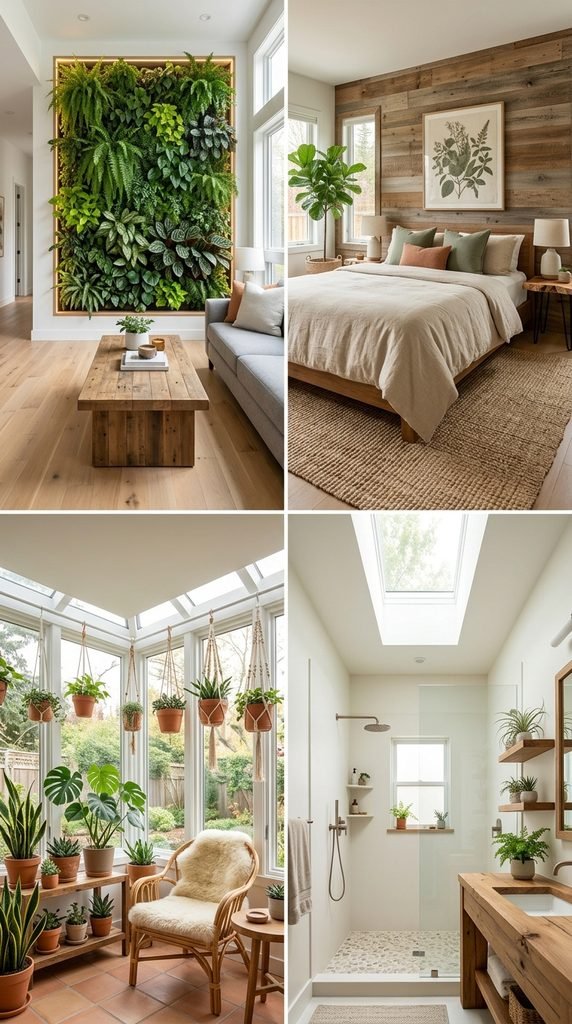
A few well-placed plants can soften hard lines, add life, and instantly make a room feel more inviting, and it’s one of the lowest-risk design choices you can make. If you don’t have a green thumb, a bowl of seasonal branches, dried florals, or even a simple stem in a ceramic vase achieves a similar effect with far less maintenance. The key is choosing plant styles that actually match your overall aesthetic rather than grabbing whatever’s on sale at the store. Structured, upright plants like snake plants or fiddle leaf figs suit a more modern or minimal space, while trailing plants like pothos or ferns feel more organic and complement boho or cottage-style interiors. Even one or two thoughtfully placed plants per room can shift a space from feeling static to feeling alive.
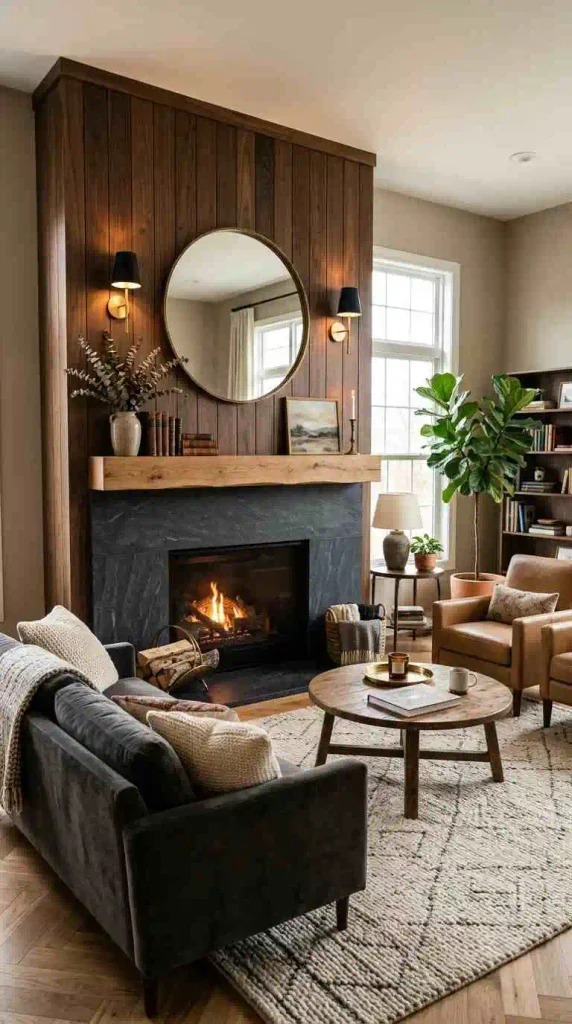
7. Make Your Fireplace (or a Focal Wall) the Star
Every well-designed room has one feature the eye is naturally drawn to first, and giving that feature real attention pays off across the whole space. If you have a fireplace, treat the mantle as prime real estate — style it the way you would a coffee table, with varied heights, mixed materials, and one larger anchor piece like a mirror or piece of art above it. If you don’t have a fireplace, choose another focal point instead: a gallery wall, an oversized piece of original art, or a bold accent wall in a rich color. Once you’ve established that focal point, style the rest of the room to support and complement it rather than compete with it. Too many competing focal points is one of the fastest ways to make a room feel visually chaotic instead of intentional.
Read more: Neutral Living Room Ideas: Simple Ways to Create a Calm, Timeless Space
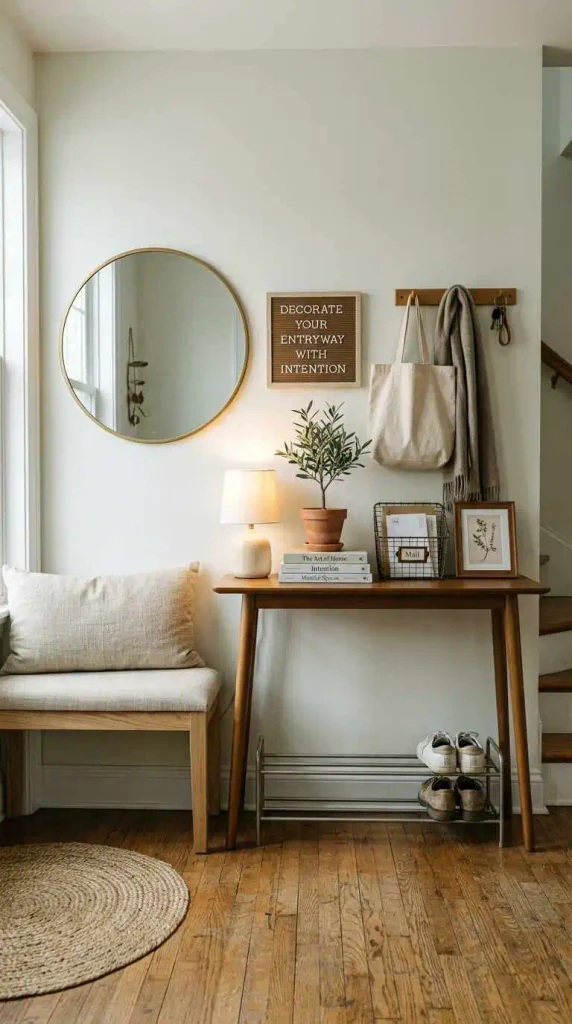
8. Decorate Your Entryway With Intention
Your entryway sets the tone for your entire home before a guest even steps into the main living space, which makes it one of the most impactful areas to get right. A console table gives you a surface to style and a place to drop keys or mail, a mirror adds both function and the illusion of more space, and a catch-all tray keeps small everyday items from creating visual clutter. Add one seasonal or sculptural accent — a small vase, a piece of art, or a textured object — to give the space personality without overdoing it. Because this space is small and often gets less attention than a living room or bedroom, it’s tempting to leave it as an afterthought, but a well-styled entryway makes a disproportionately strong first impression relative to how little effort it actually takes.
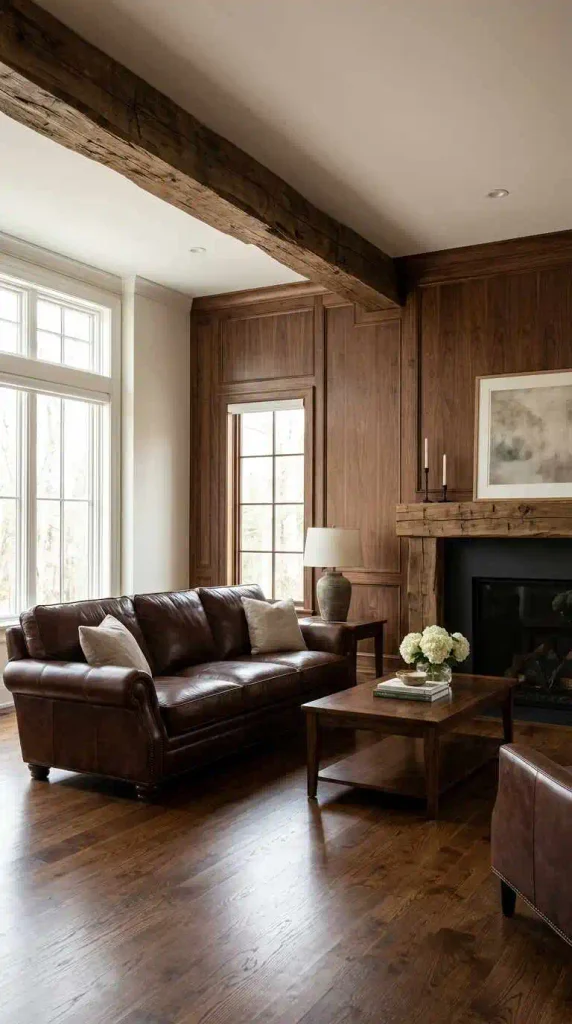
9. Add Rich Woods Throughout Your Home
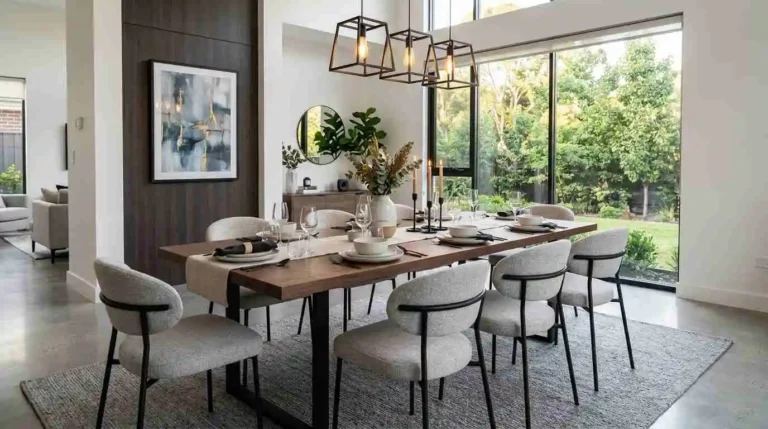
Warm wood tones are one of the most effective ways to tie disconnected rooms together into a cohesive whole. This doesn’t mean every piece of furniture needs to match exactly — in fact, slightly varied wood tones often look more collected and intentional than a perfectly matched set. Incorporate wood through furniture like a dining table or bed frame, flooring, or smaller accents like a tray, bowl, or picture frame. Rich woods pair especially well with softer textiles like linen or wool, creating the kind of warm-meets-tailored contrast that reads as thoughtfully designed rather than store-bought as a set. If your home currently leans heavily on cool metals or all-white surfaces, introducing even a few warm wood pieces can instantly make the space feel more grounded, inviting, and less clinical.
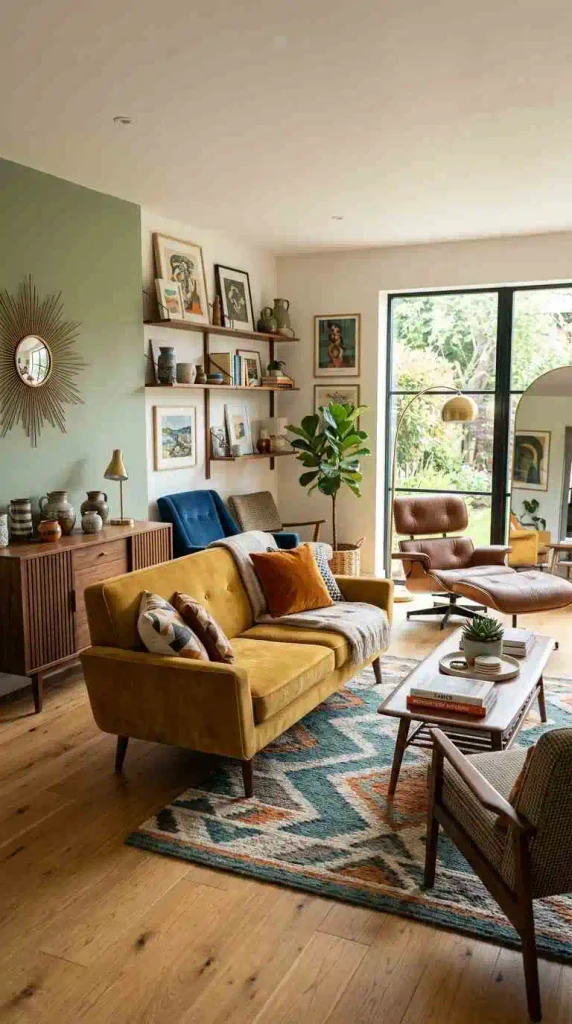
10. Incorporate Midcentury-Inspired Furniture
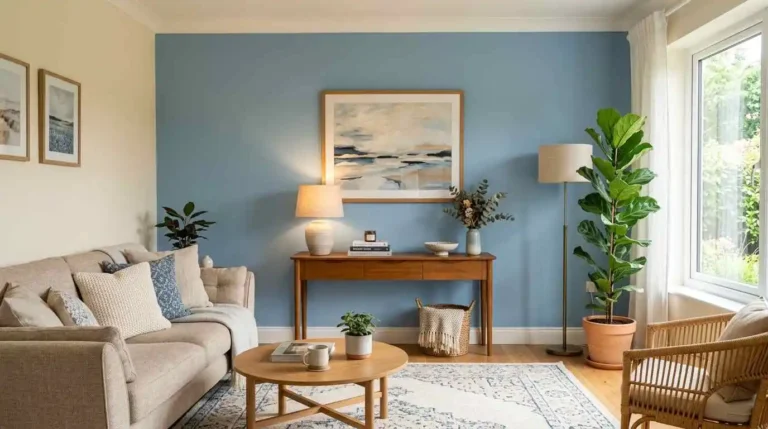
Midcentury modern design has remained popular for decades because its clean lines and functional silhouettes never really go out of style. Look for furniture with tapered or hairpin legs, warm walnut or teak tones, and simple, uncluttered shapes rather than heavily ornamented pieces. You don’t need to fully commit to a midcentury theme throughout your entire home — even one or two well-chosen pieces, like an accent chair or a sideboard, can bring a sense of timeless structure to a room that might otherwise feel overly soft or trend-driven. These pieces also tend to hold their value and stay relevant far longer than trend-based furniture, making them a smart long-term investment as well as a strong design choice for creating a room that feels intentional and enduring.
Read more: Bedroom Decor Ideas for Women: Create a Soft, Stylish Space That Feels Like You
11. Blend Styles for Character
One of the biggest mistakes people make when decorating is feeling locked into a single, strictly defined aesthetic. In reality, the most interesting and personal-feeling homes almost always blend two or three styles rather than adhering rigidly to one. Try pairing structured midcentury furniture with soft, textural boho elements like woven textiles and rattan accents, or balance colorful, vintage-inspired decor layers with a few moody, deeper-toned pieces for contrast. This kind of blending is what separates a home that feels personal and collected over time from one that reads as a matching showroom set purchased all at once. Give yourself permission to mix eras, materials, and influences based on what you’re genuinely drawn to, rather than forcing every piece in a room to fit one narrow definition of a style.
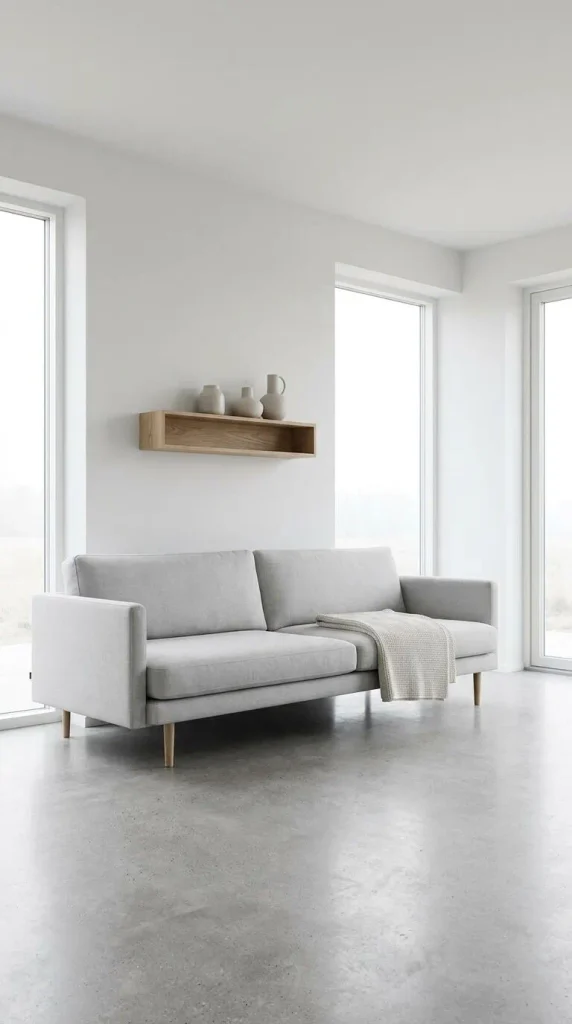
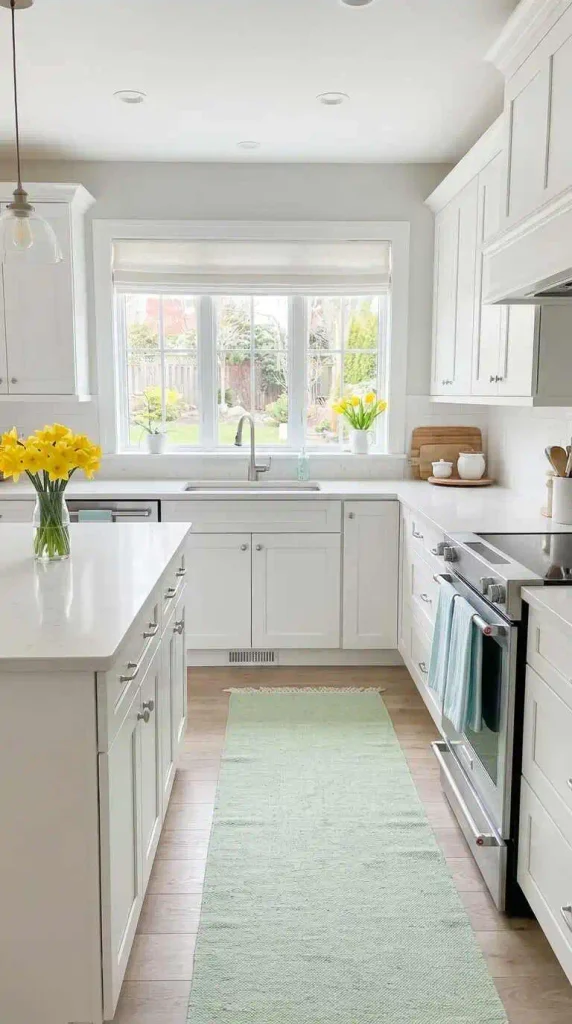
12. Update Your Kitchen With Seasonal, Styled Touches
Even a highly functional space like the kitchen benefits from a little intentional styling. Open shelving is a great opportunity to display a few beautiful ceramic pieces, glassware, or cookbooks rather than hiding everything behind closed cabinet doors. Leaning a wooden cutting board against the backsplash adds warmth and texture in a spot that’s usually just empty wall space. Small seasonal touches on the counter — a bowl of citrus in summer, a few gourds in fall, or a simple vase of fresh flowers any time of year — keep the space feeling fresh and considered without requiring a full renovation. The goal isn’t to turn your kitchen into an untouchable showroom; it’s to layer in a few styled details around the tools and items you already use every day.
Read more: Living Room Design Ideas: Create a Stylish Space That Still Feels Like Home
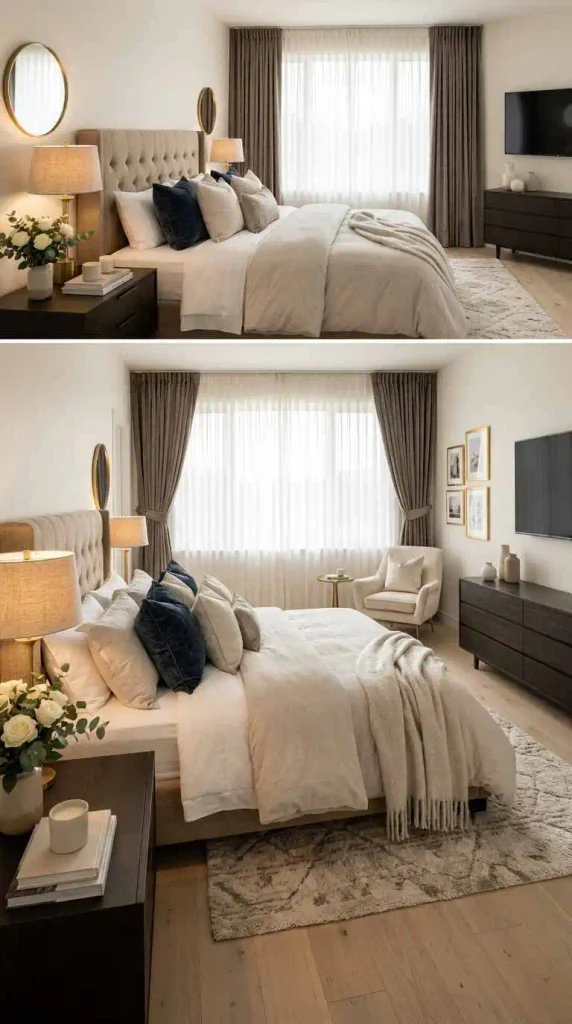
13. Make Your Bedroom Feel Like a Luxury Retreat
Your bedroom deserves the same design attention as your more public-facing rooms, since it’s the space where you start and end every single day. Layer your bedding in at least three textures — a crisp cotton sheet, a chunky knit or textured throw, and a few varied pillow covers — to create the kind of inviting, hotel-quality look you feel when you stay somewhere special. Add warm, dimmable lighting on either side of the bed rather than relying on a single overhead fixture, and place a soft rug underfoot so the first thing you feel each morning isn’t cold flooring. Small, hotel-inspired touches like a folded throw at the foot of the bed or a neatly styled nightstand go a surprisingly long way toward making an ordinary bedroom feel like a genuine retreat.
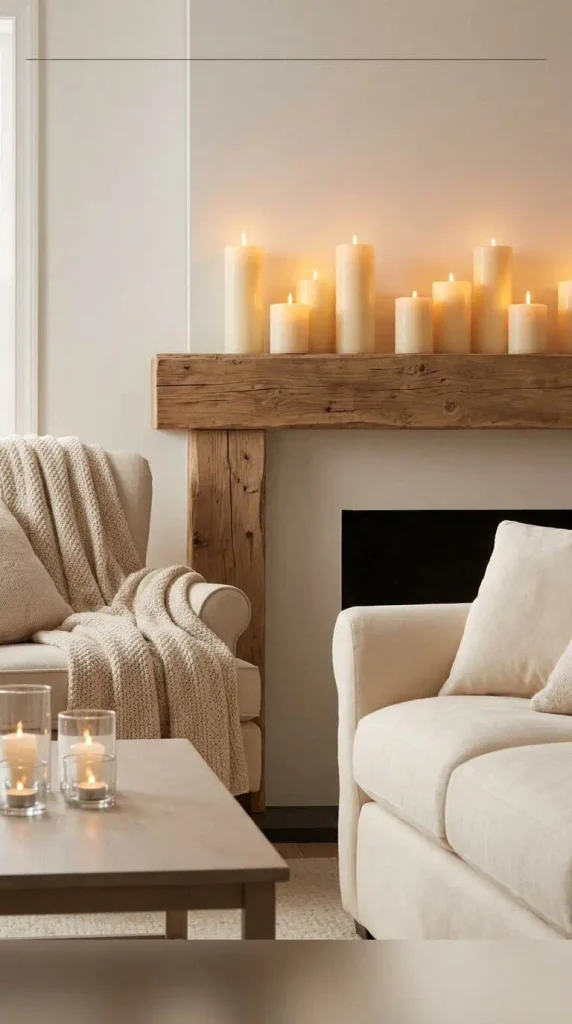
14. Use Candles Throughout Every Room
Candles are one of the most affordable and versatile ways to add both warmth and function to a space. Beyond their obvious use as an accent light source, they add scent, texture, and an easy focal point to any surface. Rather than placing a single candle alone on a shelf, cluster two or three at varying heights on a tray, mantle, or bookshelf for an instantly styled, intentional look. Choosing candles in materials that match your overall palette — smoked glass, matte ceramic, or natural beeswax — helps them blend seamlessly into your existing decor rather than looking like an afterthought. Because they’re inexpensive and easy to swap out seasonally, candles are also one of the simplest ways to refresh a room’s mood without committing to a larger purchase.
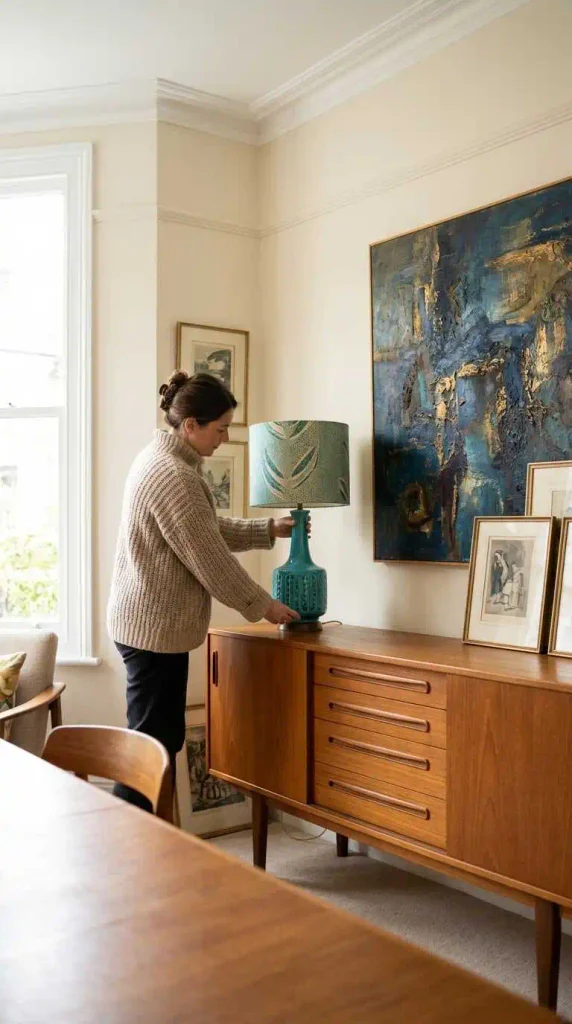
15. Layer in Original Art and Vintage Finds
Furnishing an entire home from matching sets at a single retailer is convenient, but it often results in a space that feels generic and impersonal. Introducing even one or two vintage finds — a flea market side table, a secondhand rug, or a piece passed down from family — adds a layer of character and history that simply can’t be replicated with new, mass-produced pieces. The same is true for original art or sculpture; a single piece that genuinely means something to you will always have more impact than a set of coordinated prints bought purely to match a color scheme. These layered, personal touches are usually the details guests remember most after they leave, and they’re what makes a home feel like it belongs to a real person rather than a catalog page.
Read more: Kids Bedroom Ideas for Boys: Create a Fun, Functional Space That Grows With Him
16. Focus on Comfort Over Perfection
After all the styling advice, the most important principle is the simplest one: the most inviting homes are rarely the most expensive or the most rigidly “on trend.” They’re the homes with a clear, consistent point of view and a few genuinely personal, lived-in touches layered throughout. It’s easy to get caught up in chasing a perfectly styled, photo-ready room, but spaces that feel too precious to actually use tend to feel cold rather than welcoming. Let comfort guide your decisions first — the throw blanket that actually gets used, the seating that people fight over, the lighting that makes evenings feel relaxed — and let the styling details follow and support that comfort, rather than working against it.
Final Thoughts
You don’t need to overhaul your entire home at once to see a real difference. Pick two or three ideas from this list to start with — a grounded color palette, better layered lighting, and one strong focal point are a great place to begin — and build outward from there room by room. A cohesive, aesthetic-driven home comes from consistency applied over time, not from achieving perfection all at once.

10 Comments