
Textured Home Decor Interior Design: Stylish Ways to Add Depth and Warmth

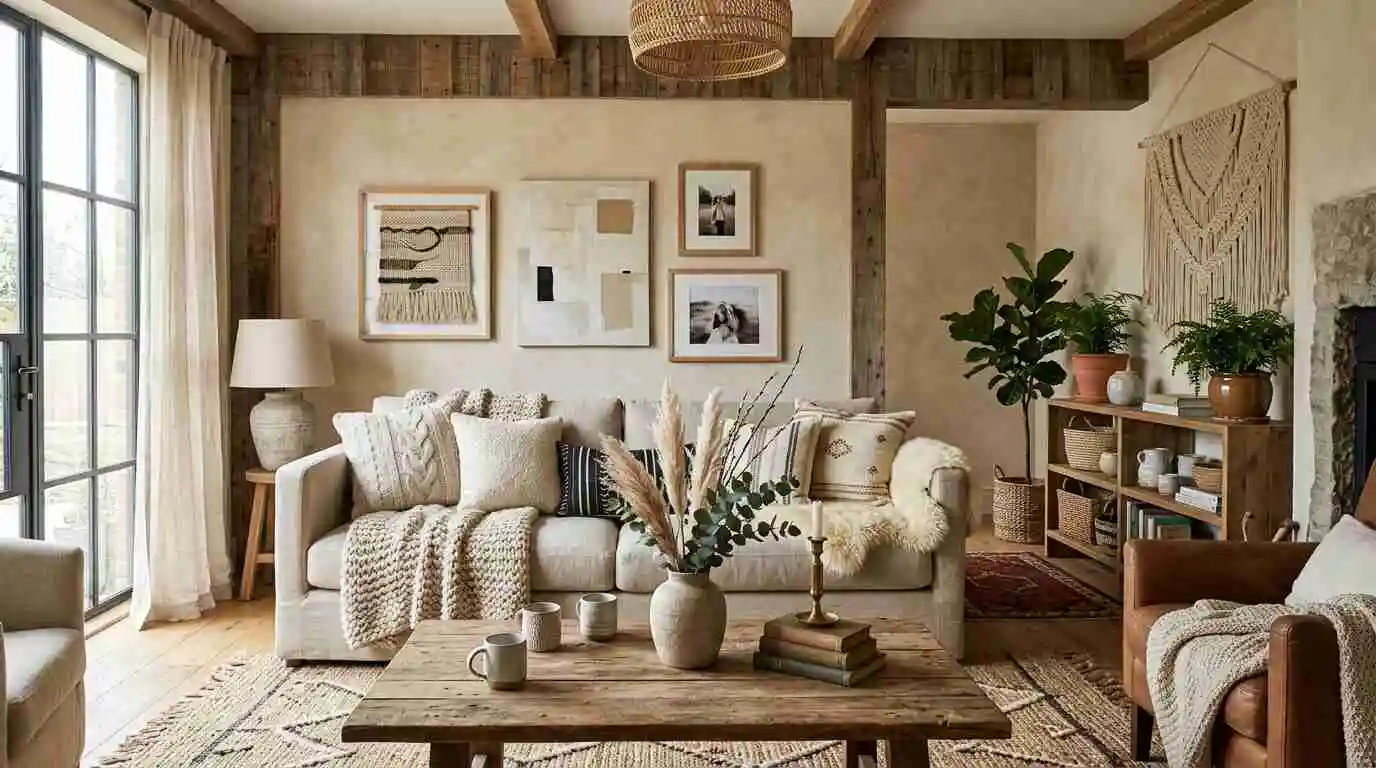
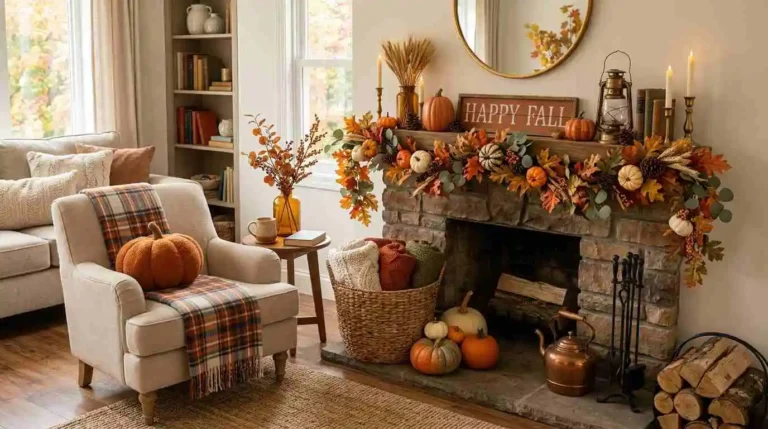
Texture is one of the easiest ways to make a home feel more warm, layered, and visually interesting. Even when you use a simple color palette, combining different materials can give your rooms a rich and finished appearance. From soft fabrics and natural wood to stone, woven details, and textured walls, these textured home decor ideas can help you create an interior that feels comfortable, stylish, and inviting.
1. Layer Soft Fabrics
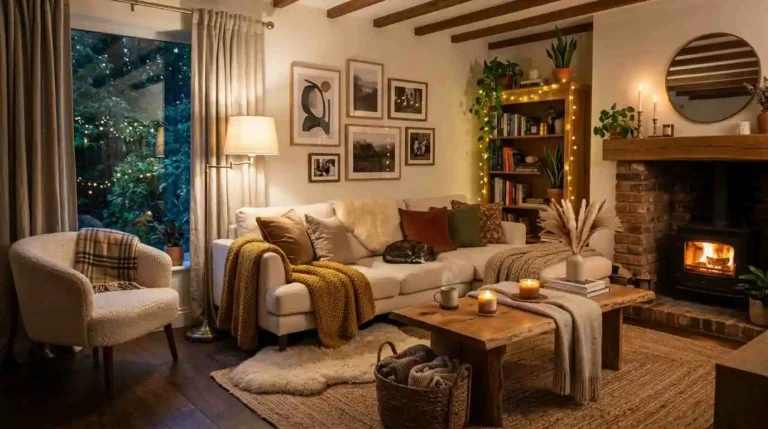
Soft fabrics are an easy starting point when adding texture to your interior. Combine linen curtains, cotton cushions, knitted throws, velvet pillows, and soft rugs to create depth without changing your main furniture. Keep the colors within a similar palette so the room feels coordinated rather than busy. For example, cream, beige, taupe, and warm brown can create a cozy neutral look. Mix different fabric finishes instead of using identical materials everywhere. A simple sofa can look much more inviting when surrounded by layered textiles. The key is to create subtle variation that makes the room feel comfortable and thoughtfully decorated.
2. Bring in Natural Wood
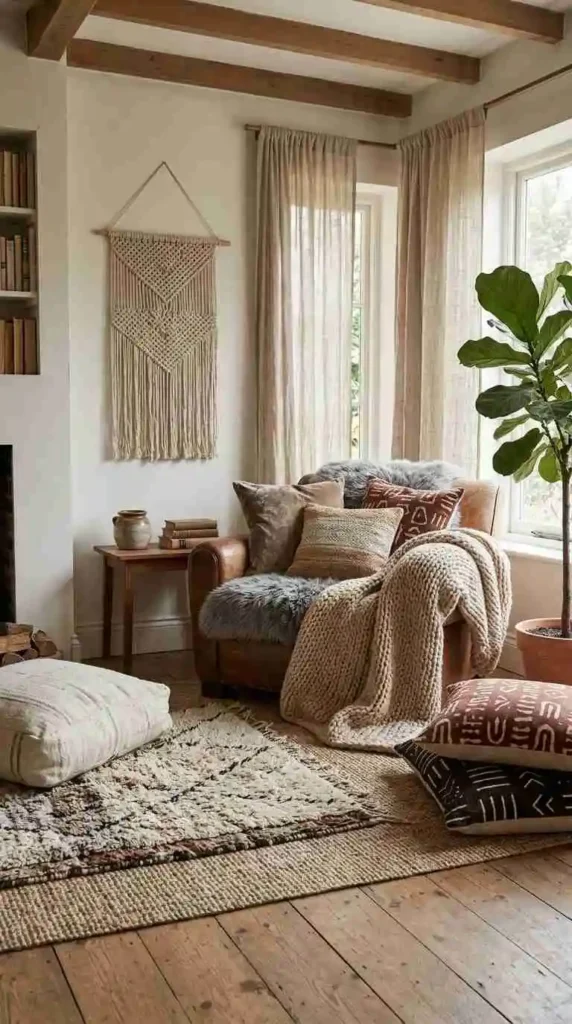
Wood adds warmth and natural texture to almost any interior style. Use wooden coffee tables, side tables, shelves, cabinets, wall panels, or decorative accessories to create visual interest. Light oak can make a room feel bright and modern, while walnut and darker woods can create a richer atmosphere. Try combining wood with soft fabrics, stone, and neutral colors for a balanced look. Avoid using too many different wood tones because they can make the room feel disconnected. A few carefully selected wooden pieces can add enough warmth to prevent a modern interior from feeling cold or overly minimal.
3. Use Textured Wall Treatments
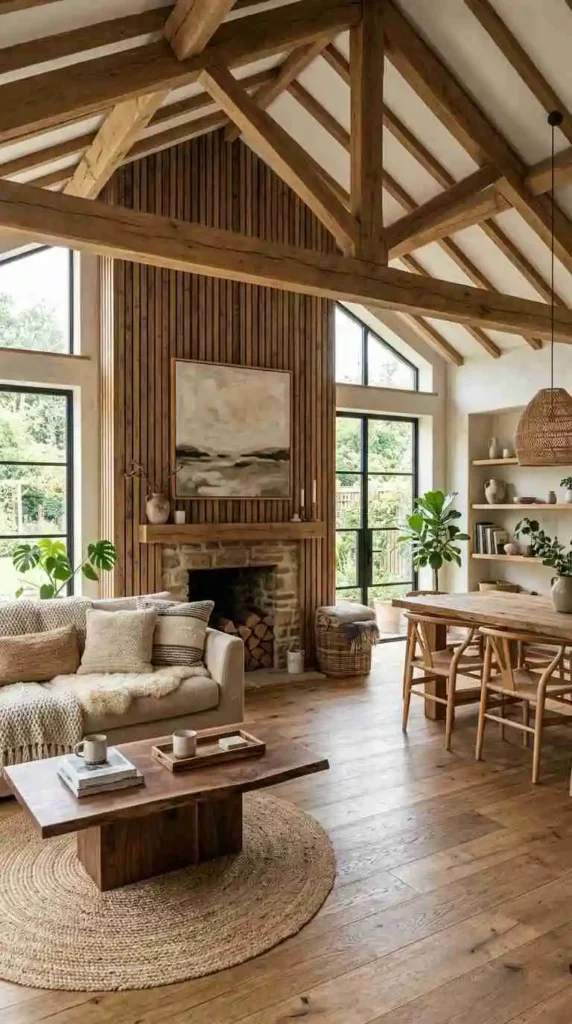
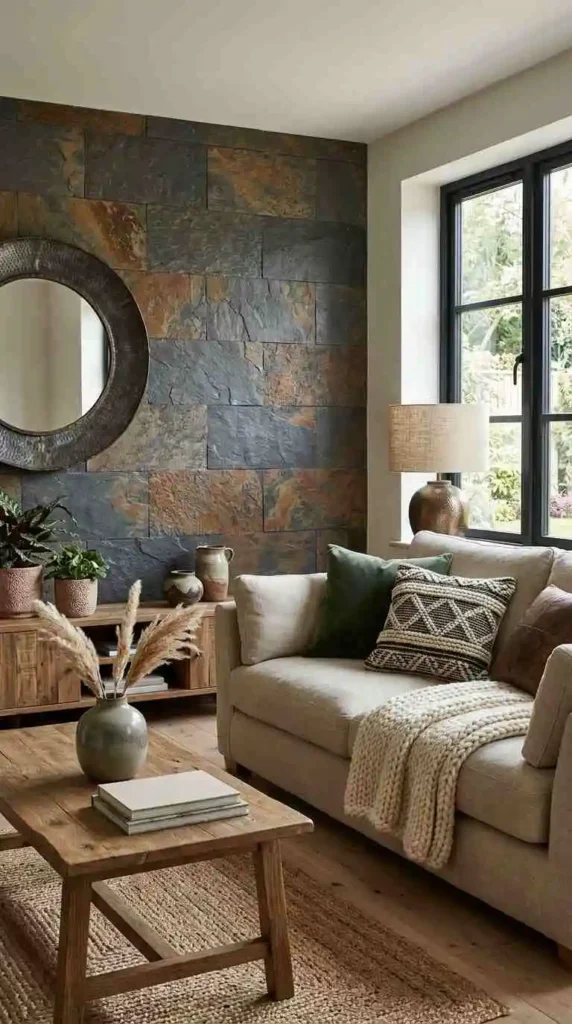
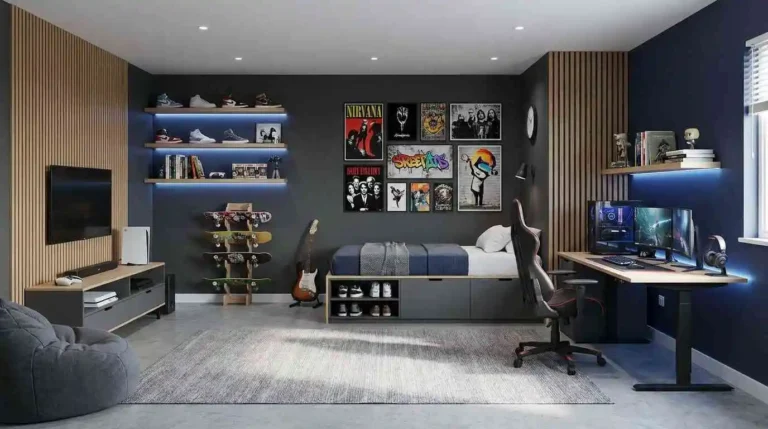
Walls provide a large surface where texture can make a major difference. Consider wood slats, limewash finishes, plaster, stone, brick, wallpaper, or decorative wall panels to create a beautiful backdrop. You don’t need to texture every wall; one accent wall can be enough to create a strong focal point. Choose a subtle finish if your furniture already has plenty of visual detail. For a more dramatic room, a textured feature wall can become the main design element. If you’re interested in transforming plain walls, explore [Sofa Design Living Rooms Modern: Stylish Ideas for a Comfortable Space] for additional inspiration.
4. Add Woven Decorative Elements
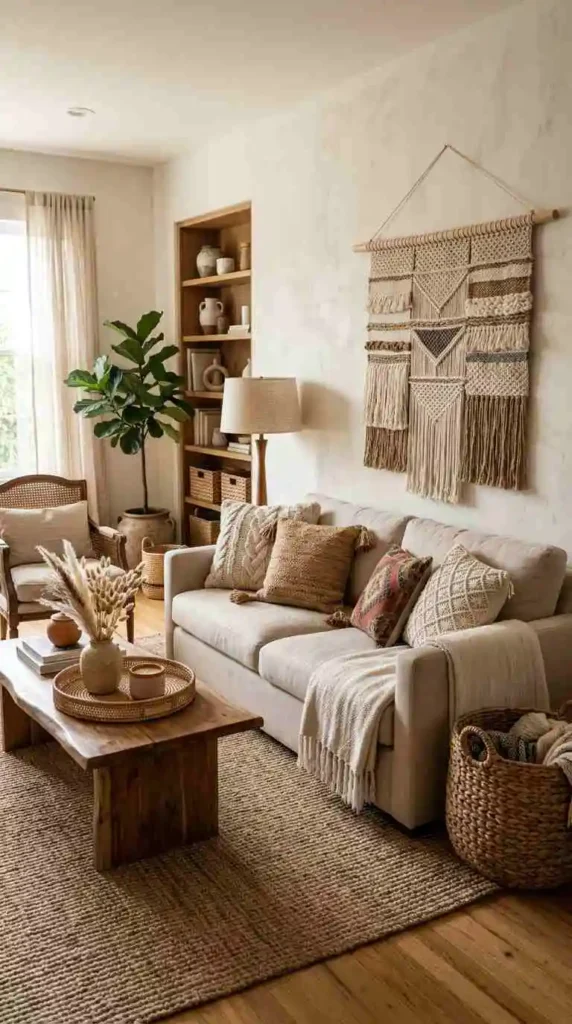
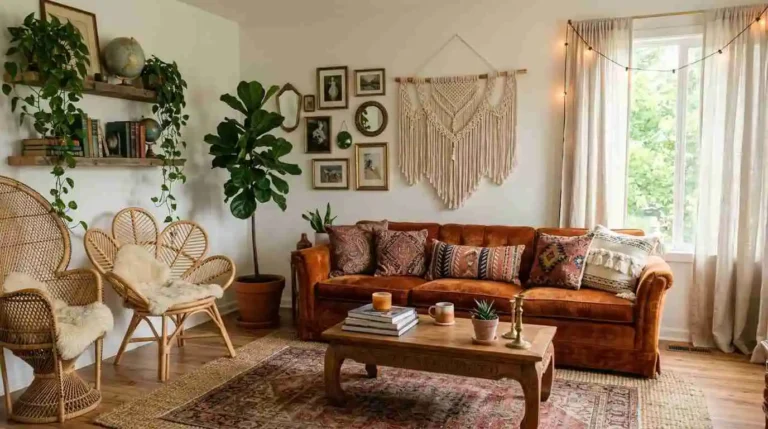
Woven materials can instantly make a room feel warmer and more relaxed. Introduce rattan baskets, woven lampshades, jute rugs, cane furniture, and handmade baskets throughout your home. These details work especially well with neutral color palettes and natural wood. You can place a woven basket beside a sofa, use a rattan pendant light above a dining table, or add a jute rug underneath your coffee table. Don’t overdo the look; a few natural woven elements can create enough texture. They are particularly effective in modern, boho, coastal, farmhouse, and organic-inspired interiors.
5. Mix Matte and Smooth Surfaces
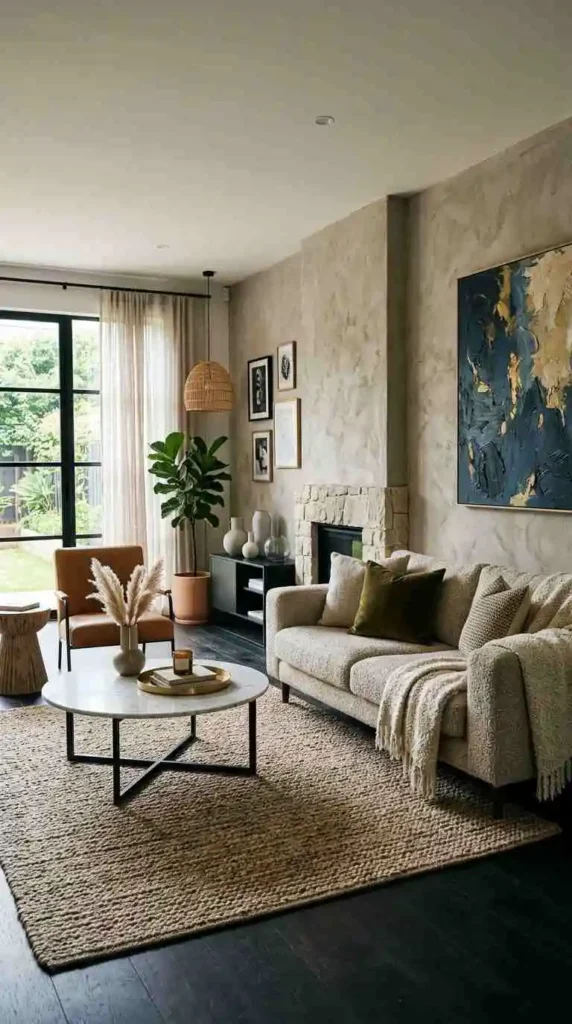
Texture isn’t only about fabrics and rough materials. You can also create depth by combining matte, glossy, smooth, and slightly rough surfaces. For example, pair a matte painted wall with a smooth stone coffee table and textured fabric sofa. A glossy ceramic vase can add contrast to a woven basket or wooden shelf. These subtle differences catch light differently and make the room more visually interesting. Keep the overall color palette consistent so the different surfaces feel connected. This technique is especially useful in modern interiors where simple furniture shapes can benefit from additional visual variation.
6. Create a Textured Living Room
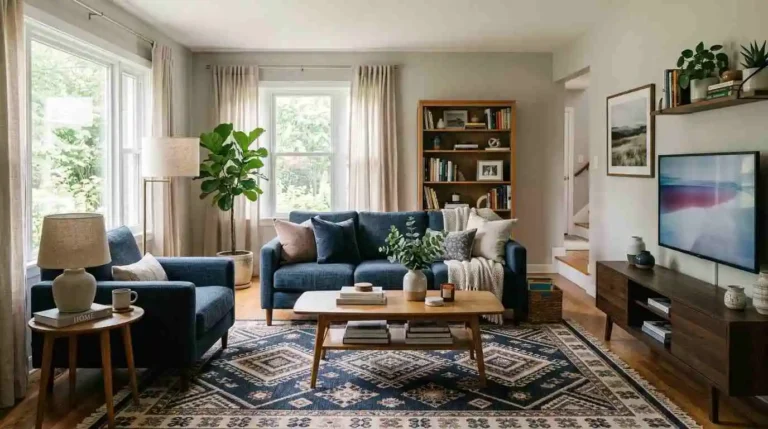
The living room is one of the best places to experiment with layered textures. Combine a soft sofa, textured rug, wooden coffee table, woven basket, linen curtains, and decorative cushions to create a comfortable atmosphere. Use different materials while keeping the colors coordinated. A neutral sofa can serve as a simple foundation, allowing textured accessories to add depth. Add one or two natural plants to introduce another organic element. For more ideas on creating a warm and comfortable seating area, explore [Farmhouse Interior Decor Ideas: Create a Warm and Timeless Home] and combine its clean approach with richer textures.
7. Add Texture Through Lighting
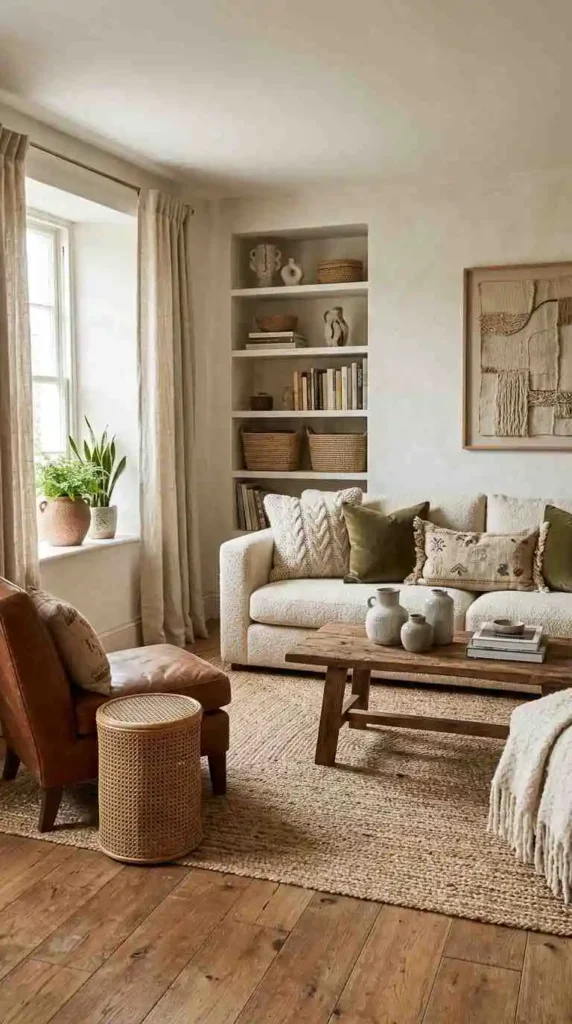
Lighting fixtures can contribute just as much texture as furniture and accessories. Look for woven pendant lights, ceramic lamps, ribbed glass shades, wooden fixtures, or sculptural metal designs. A textured lampshade can create beautiful shadows when the light is switched on, adding another layer to the room. Use several light sources at different heights to create a warm and balanced atmosphere. A floor lamp beside a sofa, pendant above a dining table, and table lamp on a console can work together beautifully. For more ideas, explore [Reading Nook Decor Ideas: Create a Cozy Corner for Relaxing].
8. Use Stone and Ceramic Accents
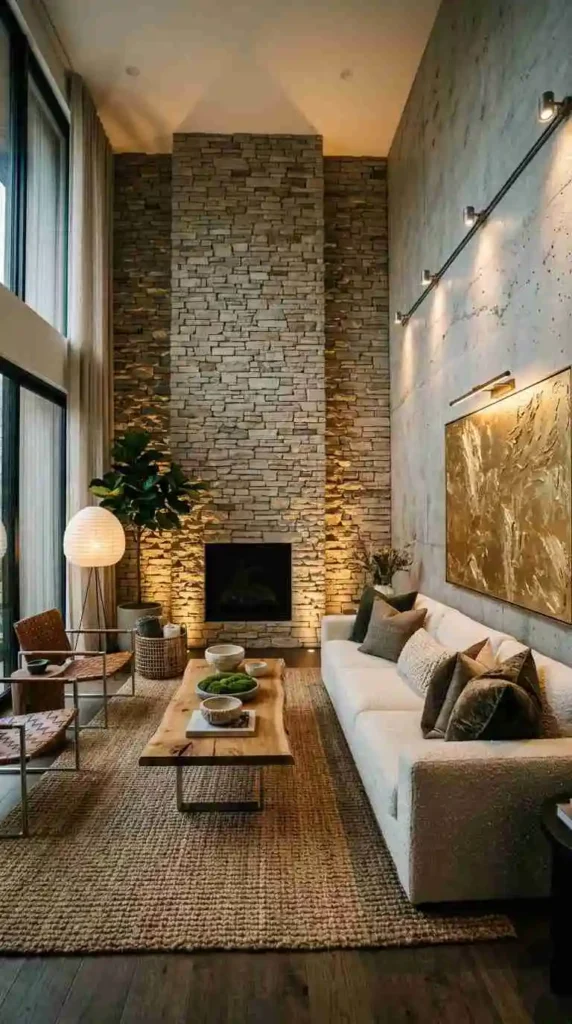
Stone and ceramic accessories can add an earthy, handcrafted feeling to your interior. Try stone trays, ceramic vases, sculptural bowls, textured pottery, or marble accessories on shelves and tables. These materials work beautifully with wood and soft fabrics because they introduce a harder surface into the mix. Choose pieces with organic shapes or handmade-looking finishes if you want a relaxed appearance. You don’t need many objects; a few statement pieces can create enough contrast. Natural stone and ceramics are especially effective in neutral rooms where subtle material changes can add depth without introducing strong colors.
9. Layer Textures in the Bedroom
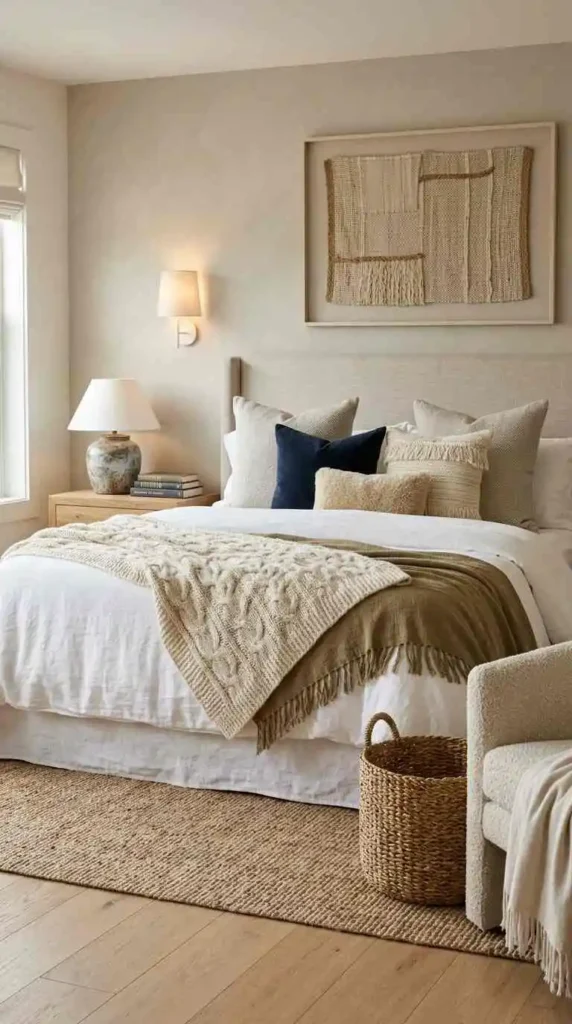
The bedroom should feel soft, peaceful, and comfortable, making it perfect for textured decor. Layer linen bedding, knitted throws, velvet cushions, upholstered furniture, and a soft rug to create a cozy atmosphere. Keep the colors calm with shades such as cream, beige, warm white, soft gray, or muted earthy tones. Add natural wood bedside tables or woven baskets for another layer of texture. Avoid using too many bold patterns because the bedroom should remain relaxing. If you want more inspiration for creating a comfortable bedroom, explore [Coffee Corner Decor Ideas: Create a Cozy Spot You’ll Love] and adapt similar layered textile ideas.
10. Balance Texture With Simple Decor
Texture works best when it is balanced with clean and simple elements. If you have a heavily textured wall, choose simple furniture and minimal accessories around it. Likewise, if your sofa has many cushions and layered fabrics, keep the coffee table styling understated. Too many competing textures can make a room feel cluttered instead of sophisticated. Focus on creating contrast between a few carefully selected materials. A combination of wood, fabric, stone, metal, and greenery can be enough to create a rich interior. The goal is to make the room feel layered while still maintaining a sense of calm and order.
Final Thoughts
Textured home decor is about creating depth, warmth, comfort, and visual interest through different materials and surfaces. You can easily introduce texture with soft fabrics, natural wood, woven accessories, textured walls, stone, ceramic pieces, and layered lighting. You don’t need to completely redesign your home; small changes can have a noticeable effect when they work together. For more inspiration on creating sophisticated and comfortable interiors, explore [Window Decor Ideas for Living Room: Stylish Ways to Dress Your Windows]. With the right balance of materials, even a simple room can feel rich, welcoming, and beautifully designed.
7 Comments