

21 Japandi Living Room Ideas for a Calm and Simple Home

Japandi is a mix of two calm styles: Japanese simplicity and Scandinavian comfort. Together they make living rooms that feel quiet, warm, and easy to live in — light wood, soft colors, low furniture, and only the things you truly use.
You do not need a full makeover to get this feeling. These 21 ideas build the look step by step, from the color base to the last small plant. Start with the first few, and your living room will already feel calmer by the weekend.
1. Start With a Calm, Neutral Base
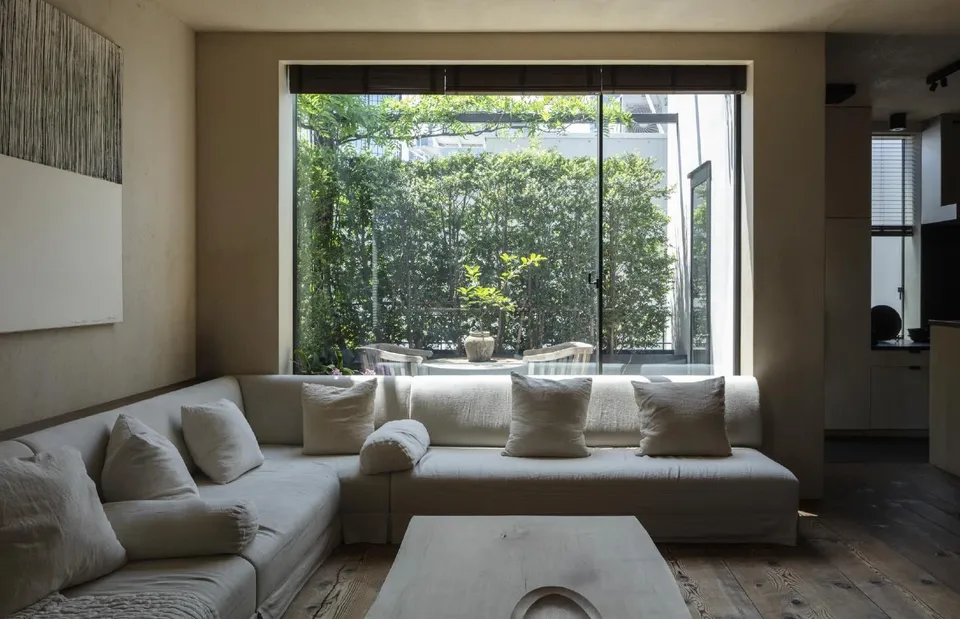
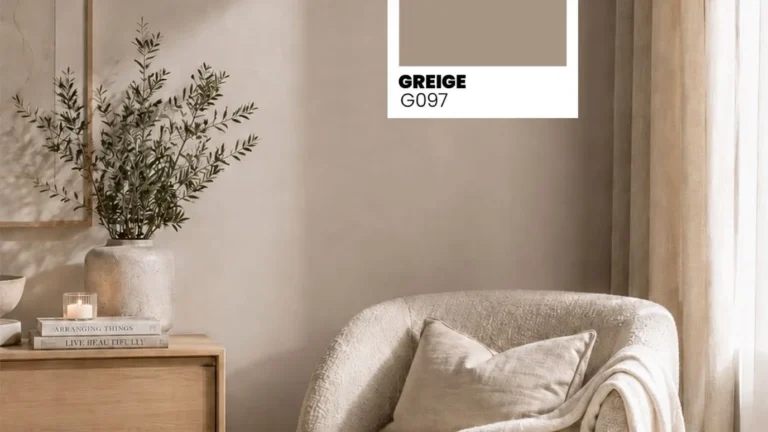
Japandi rooms rest on soft, warm neutrals: warm white, cream, oat, pale beige, and light gray. These colors quiet the room down and let the wood and textures do the talking.
Paint the walls one warm light color and keep big pieces in the same family. A calm base is what makes everything else in the room look simple and planned.
If you want one soft color in this calm base, pale green works beautifully — see 22 Pale Green Living Room Ideas for a Fresh and Relaxing Space for gentle shades that keep the room quiet.
2. Low Furniture Keeps the Room Grounded
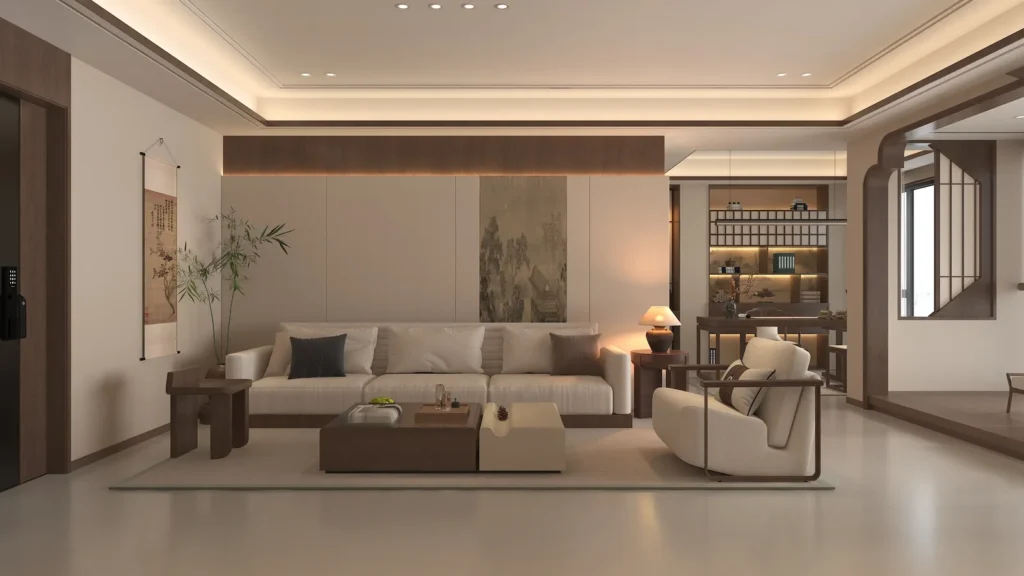
Japanese rooms sit close to the floor, and Japandi borrows that grounded feeling. A low sofa, a low coffee table, and low storage make the ceiling feel higher and the room feel settled.
You do not need special furniture. Choose the lowest, simplest version of each piece you buy, and avoid tall, heavy items that pull the eye up and break the calm.
3. Light Wood Is the Main Material
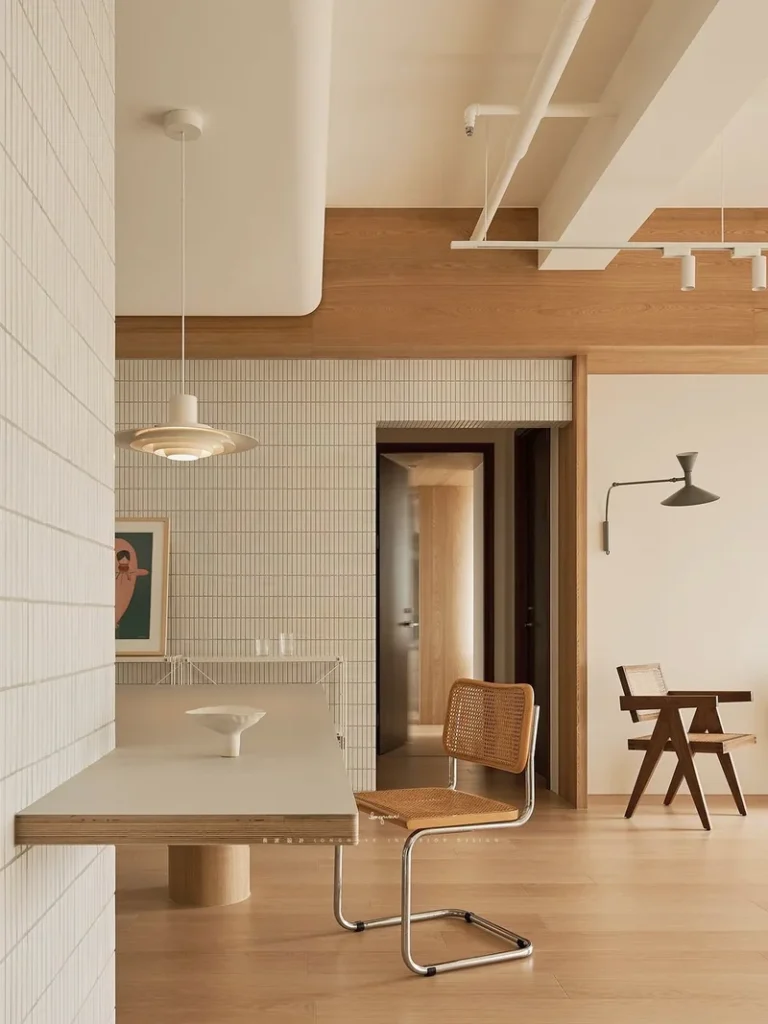
Pale wood — oak, ash, beech, bamboo — is the heart of the style. It brings warmth without darkness, and it matches the neutral base perfectly.
Use light wood for the coffee table, shelves, and chair legs so the room feels tied together. Mixing two wood tones is fine as long as both stay light and warm.
Getting the layout right matters as much as the materials, and Living Room Set Up Ideas: Stylish Ways to Create a Comfortable and Functional Space shows simple ways to arrange the room so it feels open and easy.
4. Add One Dark Piece for Balance
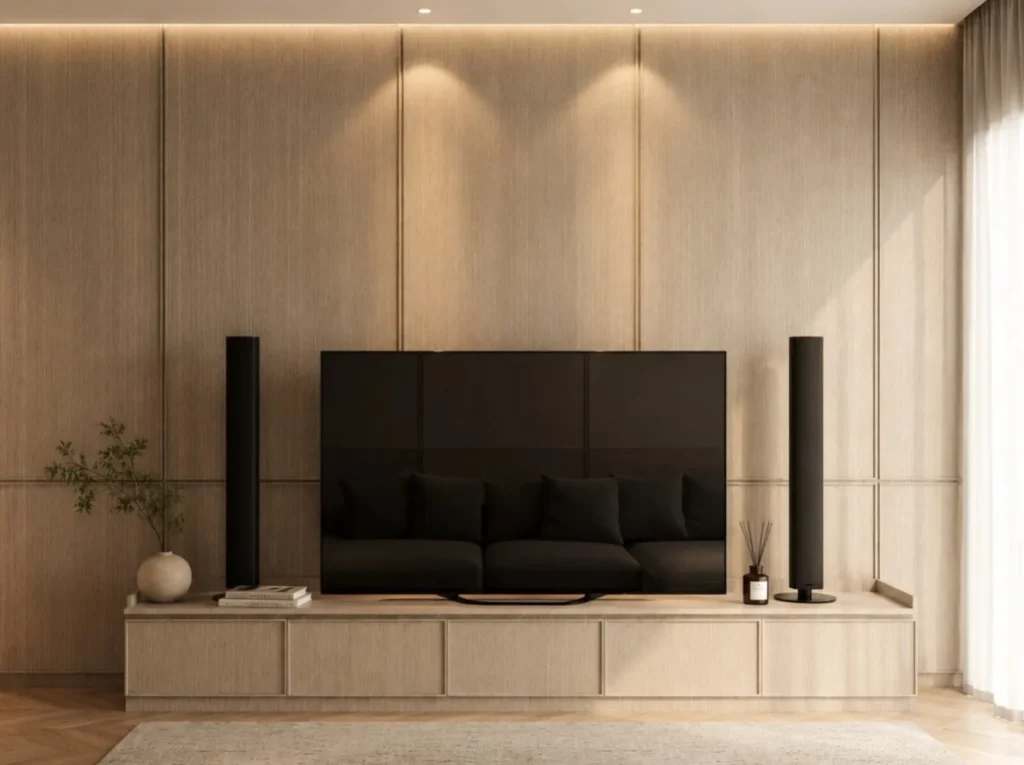
An all-pale room can feel washed out. One dark piece — a black side table, a dark walnut chair, a charcoal cushion — gives the eye a resting point and makes the light colors look richer.
Keep the dark pieces few and small. In Japandi, dark is an accent, not a theme.
5. Keep Only What You Use
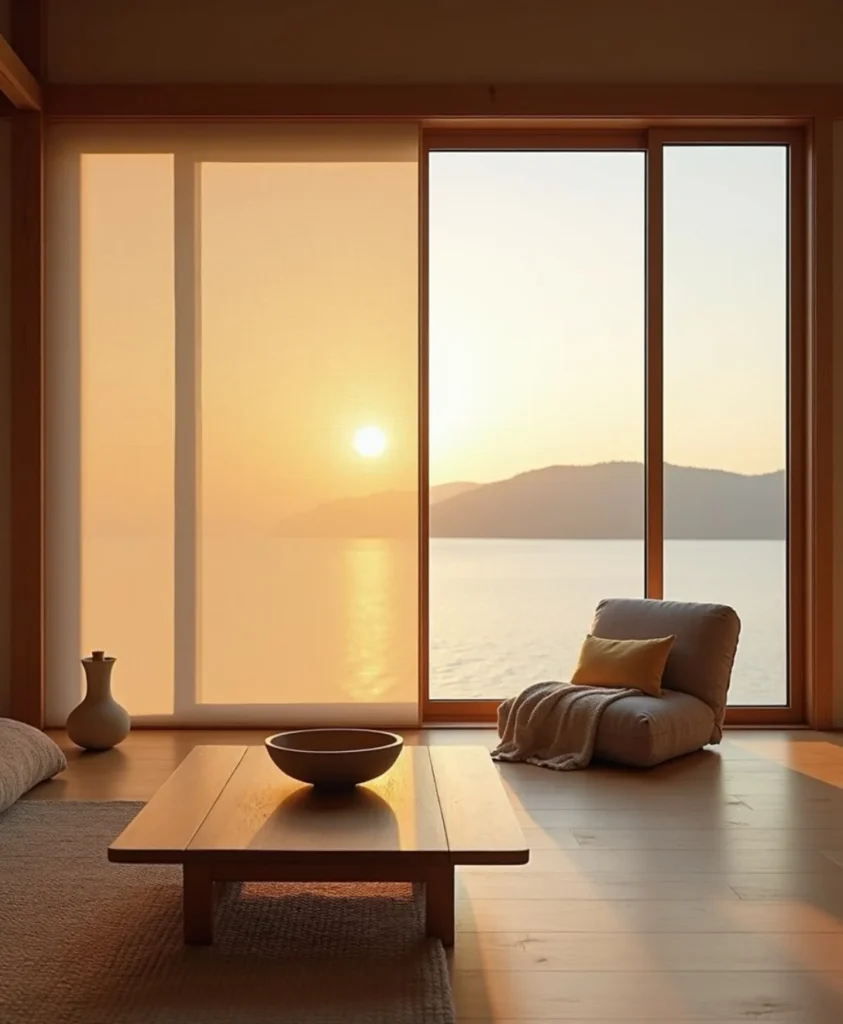
Clutter is the opposite of calm. Japandi rooms hold very few decorations, and every item has a job or a meaning. If something is only there because it has always been there, it can go.
Clear the shelves and table tops, then add back only two or three loved pieces. The empty space left behind is not missing decor — it is the decor.
6. Soft, Natural Fabrics Everywhere
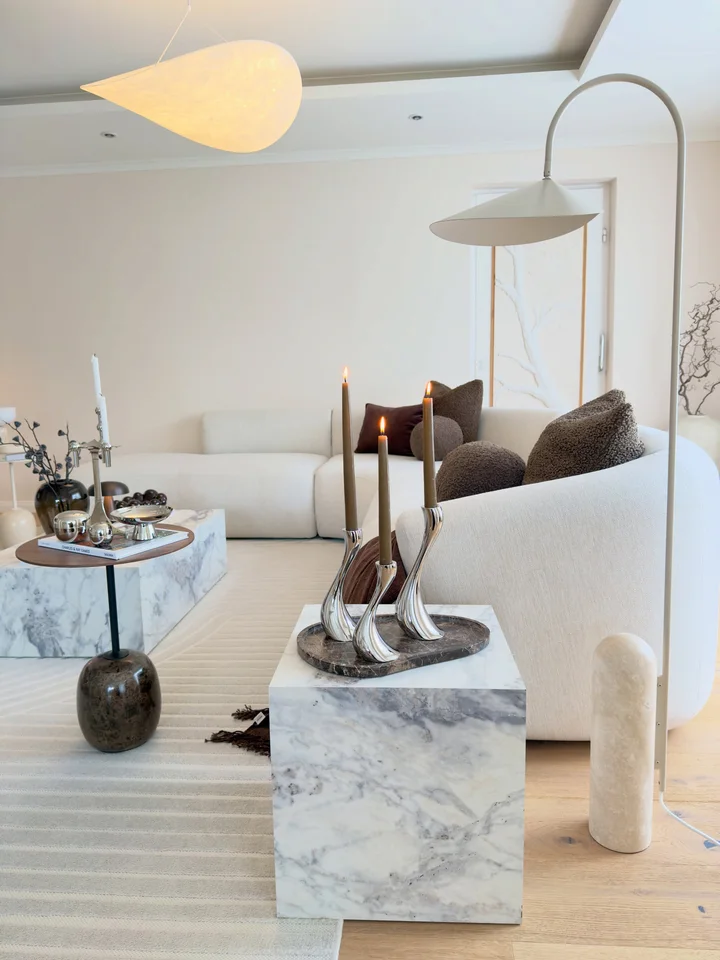
Linen, cotton, and wool in soft neutral colors make the room feel warm instead of bare. A linen sofa cover, a wool throw, and plain cotton cushions are the classic mix.
Choose fabrics with a visible natural texture and avoid shiny or printed materials. In a quiet room, texture is what keeps things interesting.
7. A Simple Low Coffee Table
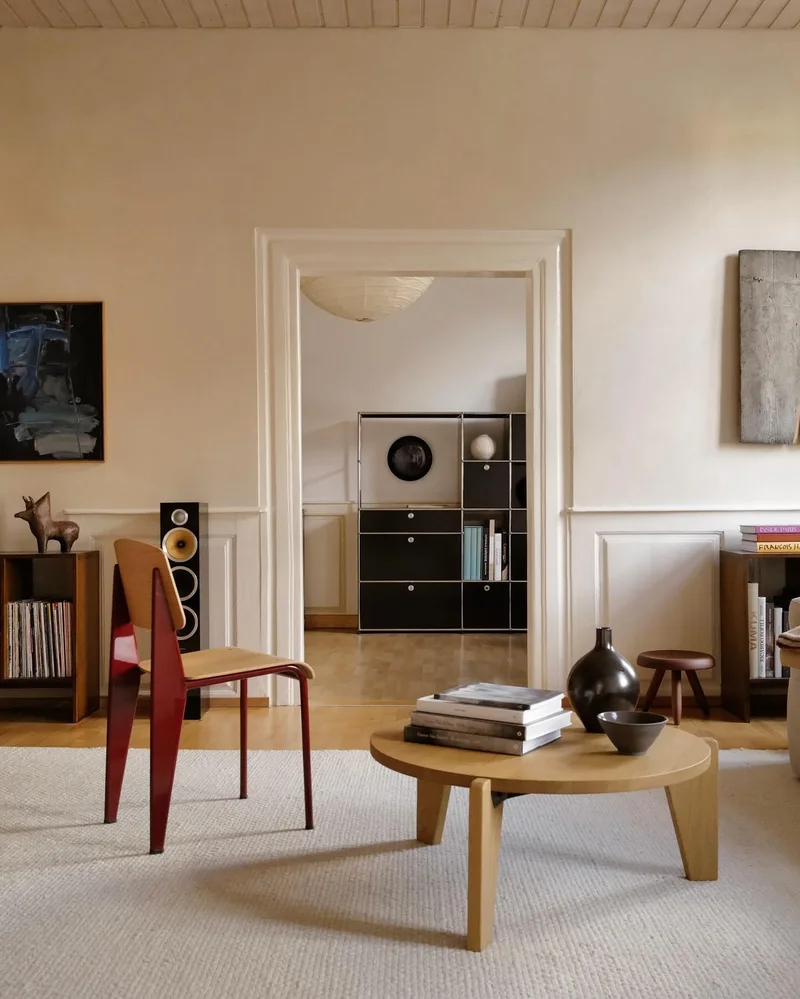
The coffee table sits in the middle of the room, so its style sets the tone. A low table in light wood with clean lines and nothing stored on top is the Japandi choice.
Keep the surface almost empty — one small tray, a book, a tiny plant. A clear table makes the whole room feel clear.
When you do add a tray or a book to the table, the styling tips in Coffee Table Decor Ideas: Simple Ways to Style Your Table Like a Pro keep it looking neat instead of cluttered.
8. Paper and Wood Lamps for Soft Light
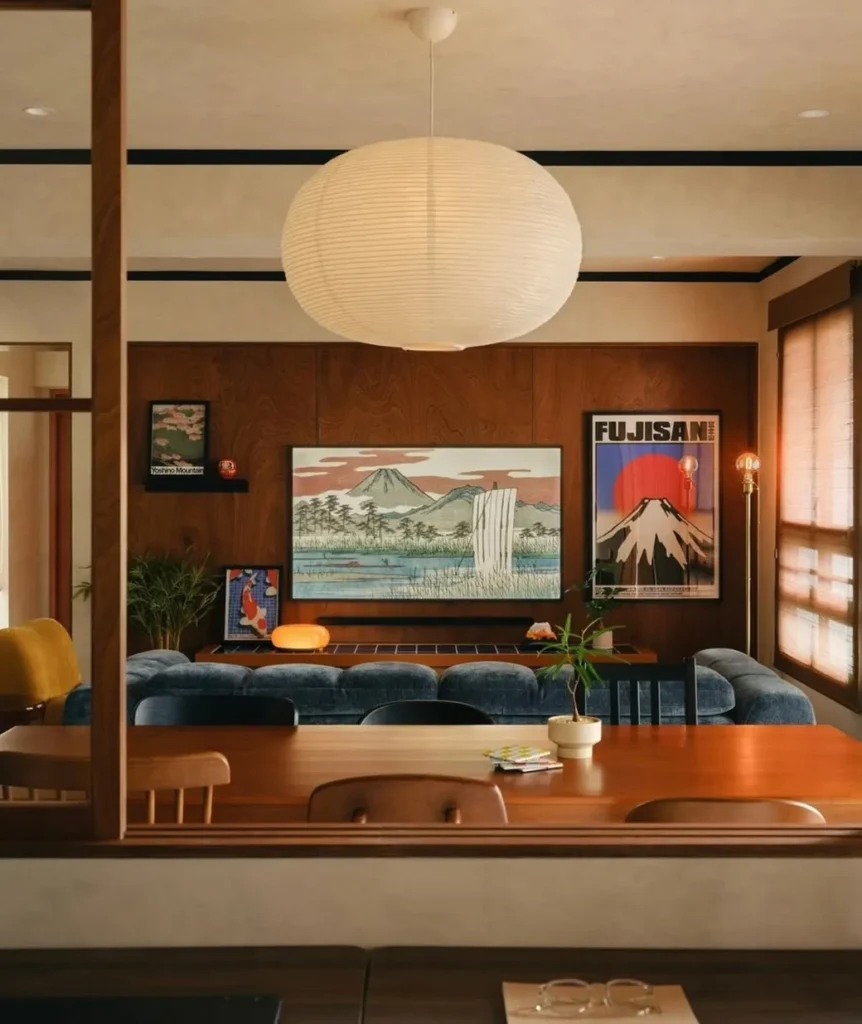
Harsh white light ruins a calm room at night. Paper ball lamps, wooden lamps, and fabric shades spread a soft, warm glow that matches the style perfectly.
Use two or three small light points around the room instead of one bright ceiling light. Warm bulbs keep the mood gentle and cozy.
9. One Plant, Placed With Care
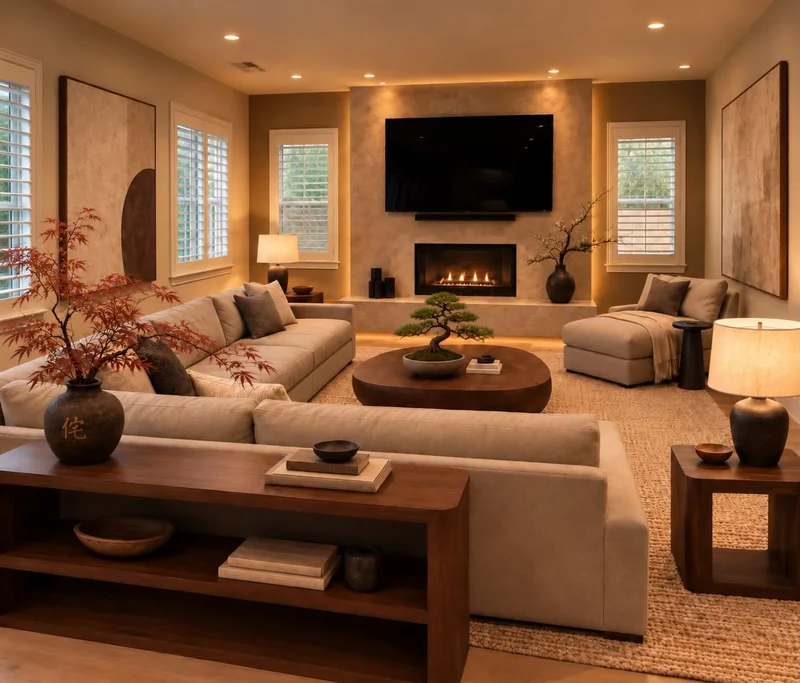
Japandi uses plants the way it uses decor: one or two, chosen well. A single tall plant in a corner or a small branch in a vase is enough.
Pick simple green shapes — an olive tree, a ficus, or cut branches in water. The plant should feel like a quiet piece of nature, not a garden.
10. Texture Does the Decorating
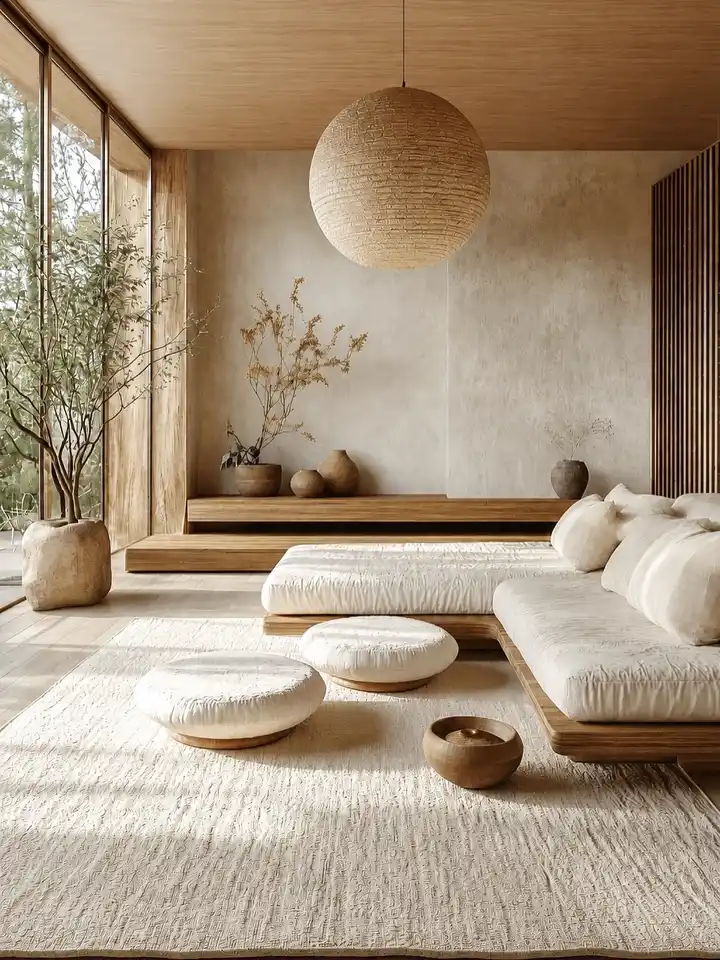
With so few objects, texture carries the room. A woven rug, a ribbed cushion, a rough clay vase, and smooth pale wood together create all the interest you need.
Mixing textures in the same calm colors is the secret to a room that feels rich but never busy. Run your hand over things when you shop — if it feels natural, it fits.
11. Plain Walls With Lots of Space
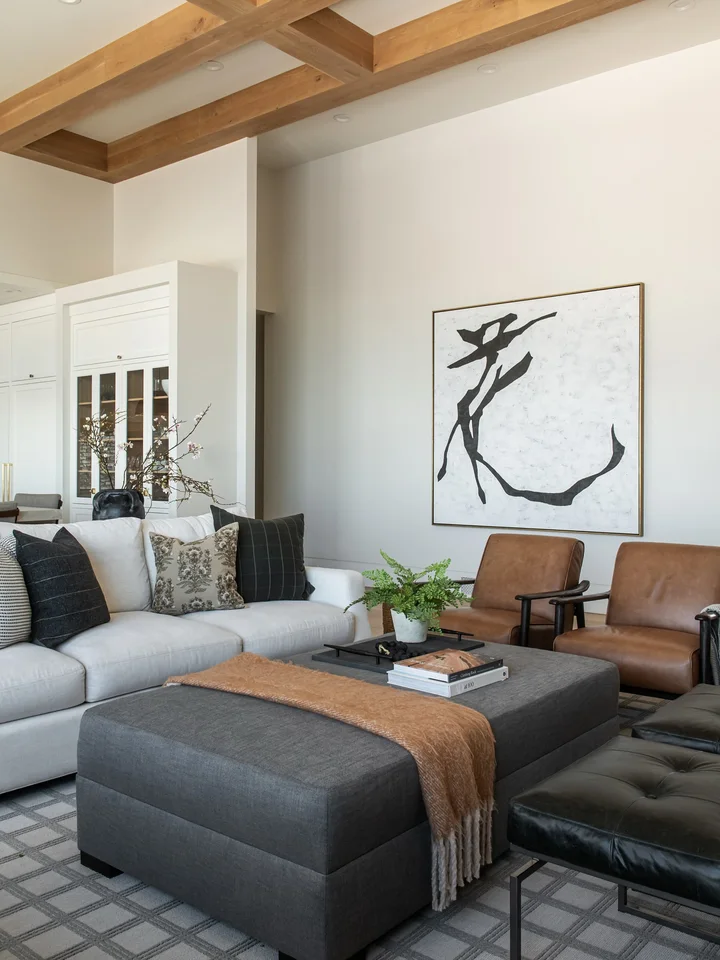
Japandi walls stay mostly bare. One piece of simple art, hung with space around it, is stronger than a wall full of frames.
If you hang art, choose soft colors and simple shapes — a line drawing, a calm landscape, woven wall art. Leave the rest of the wall empty and let the room breathe.
12. Wood Slats for a Quiet Feature Wall
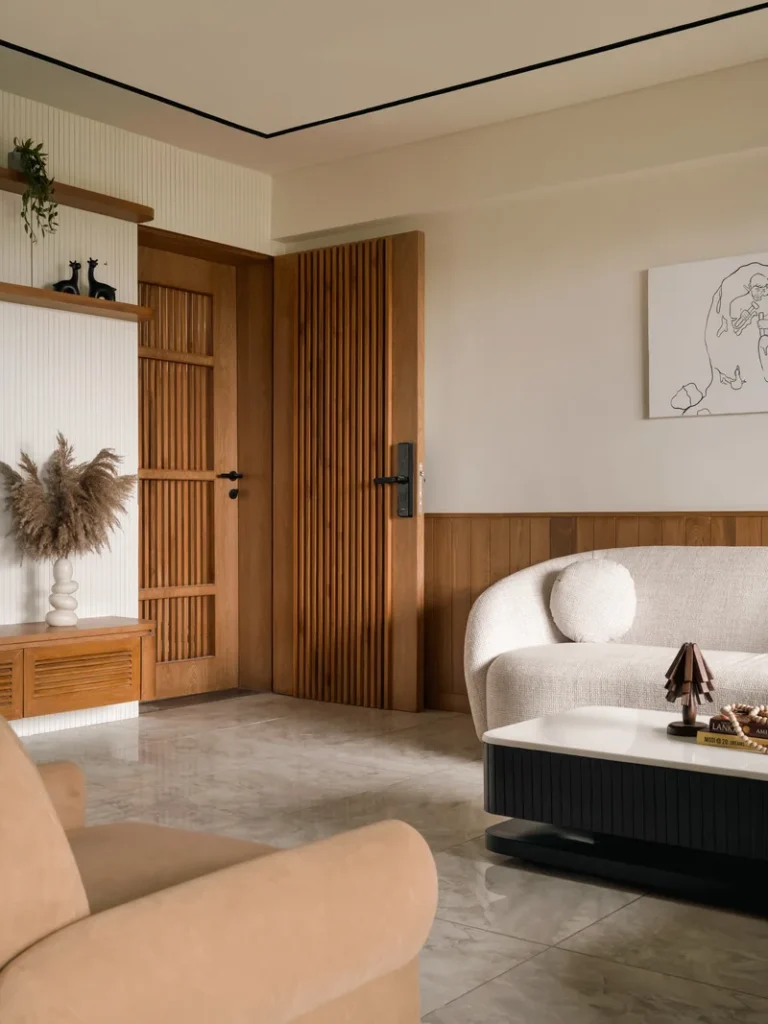
If one wall needs something more, thin wood slats are the classic Japandi answer. They add warmth, texture, and soft shadow lines without color or clutter.
Slats work behind a sofa or a TV. Keep them in light wood and leave the other walls plain, so the feature wall stays a quiet background, not a showpiece.
For more quiet ways to give one wall character, Modern Accent Wall Ideas: Stylish Ways to Transform Your Home has plenty of ideas that still keep the room calm.
13. Baskets for Hidden Storage

Calm rooms still need storage — it just has to hide. Woven baskets hold blankets, remotes, toys, and chargers out of sight while adding natural texture.
Place one large basket beside the sofa and smaller ones on low shelves. Choose baskets in similar tones so storage looks like part of the style.
14. A Rug in a Natural Fiber
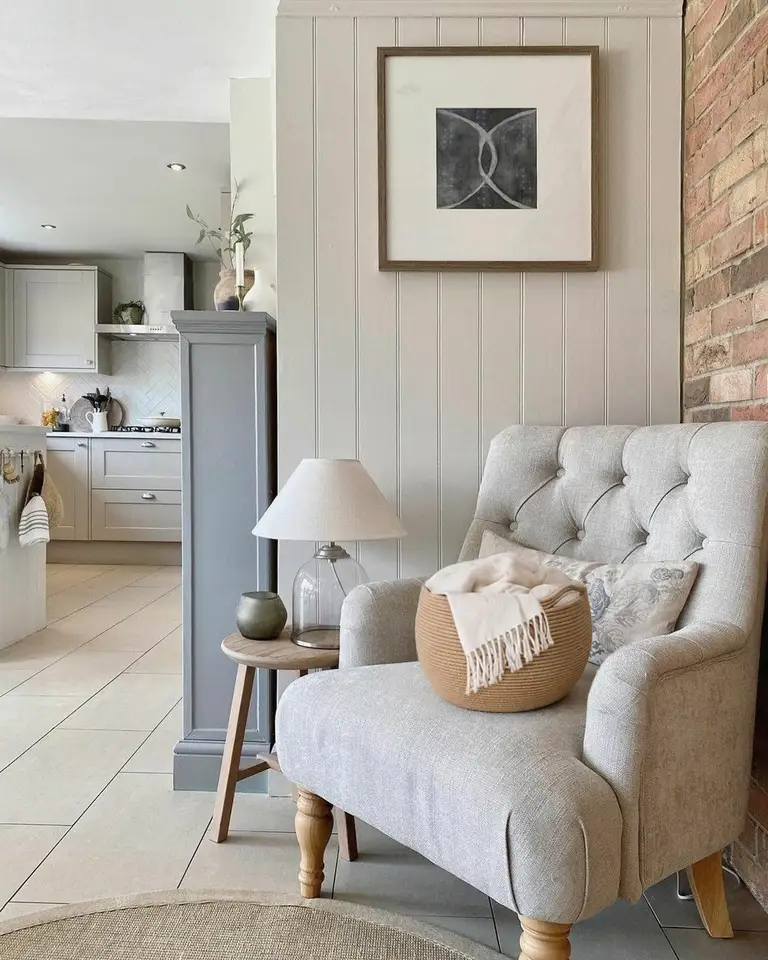
A jute, wool, or woven cotton rug in a natural color grounds the seating area and softens the floor. It also adds the texture this style loves.
Pick a rug big enough for the front legs of the sofa and chairs to sit on. Plain or lightly patterned is best — the rug should whisper, not shout.
15. Handmade Pottery as Decor
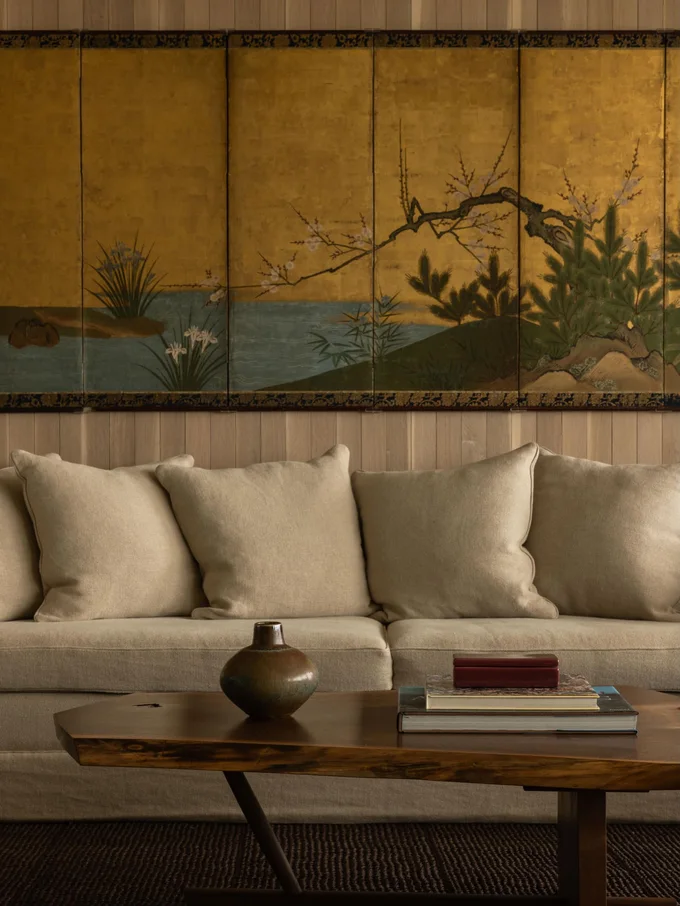
A handmade clay vase, a rough stone bowl, or a simple ceramic cup holds the small imperfections Japandi loves. These pieces feel human in a way factory-perfect decor cannot.
Group two or three pieces on a shelf or the coffee table. Earthy colors — clay, stone, sand — fit the palette and add quiet character.
16. Curves Soften the Straight Lines
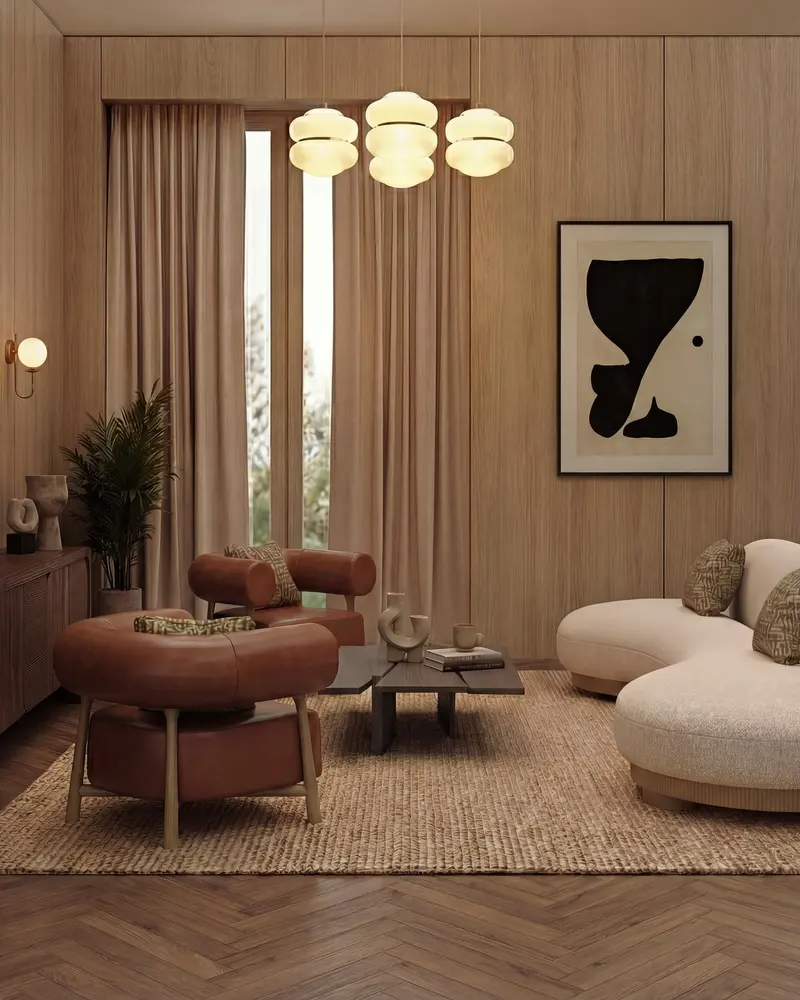
Too many straight lines can feel cold. A round coffee table, a curved chair, or an arch-shaped mirror softens the room and makes it feel welcoming.
Add just one or two curved pieces. The mix of straight furniture and gentle curves is a big part of the Japandi balance.
17. A Low Bench or Daybed Corner
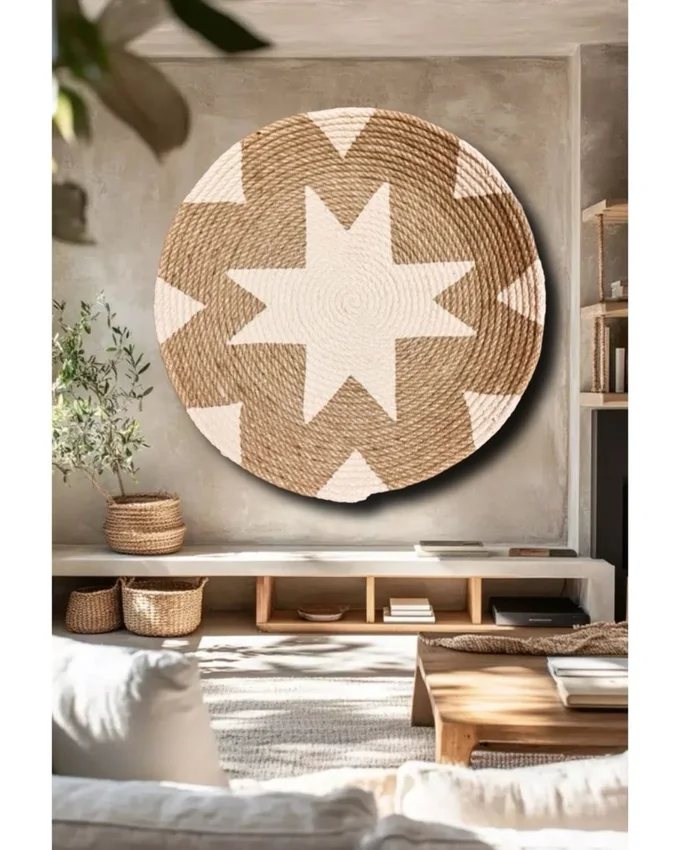
A low wooden bench or daybed along a wall gives extra seating, a reading spot, and a strong Japanese note. Dress it with one cushion and a folded throw.
This corner also works as a quiet place for tea or a book. Keep it simple and uncluttered, and it becomes the calmest seat in the house.
18. Black Lines in Small Doses
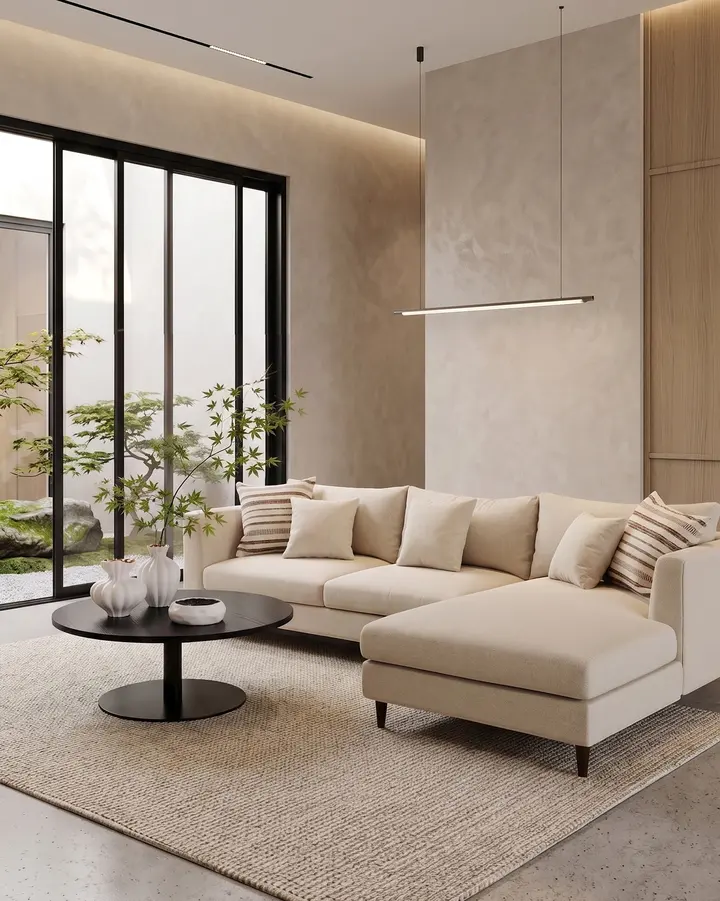
Thin black lines — a lamp stand, a picture frame, a chair frame — sharpen the soft palette and stop it from feeling sleepy. It is the same trick as the one dark piece, in a lighter dose.
Use black only as lines, not blocks. A little goes a long way in a pale room.
19. Open Shelves With Few Things
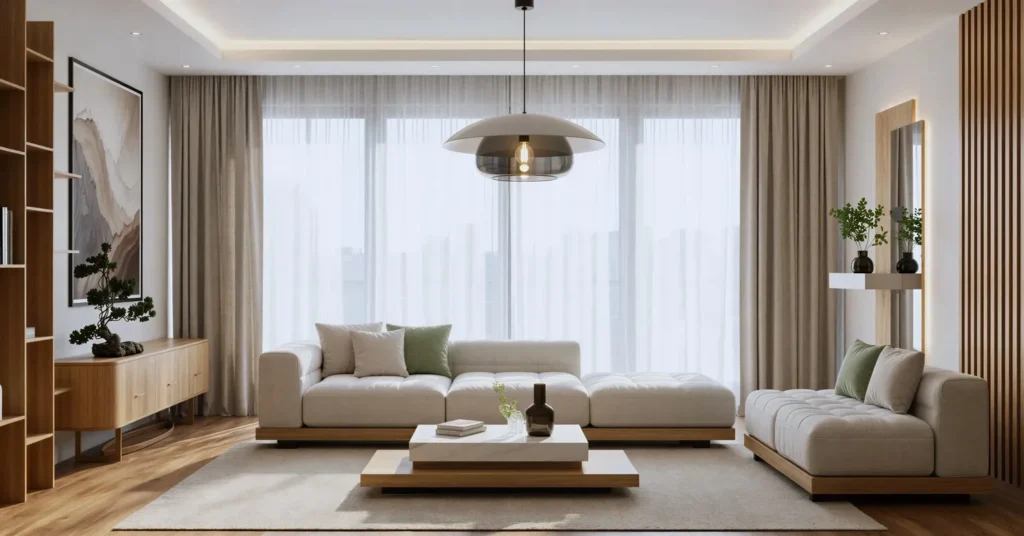
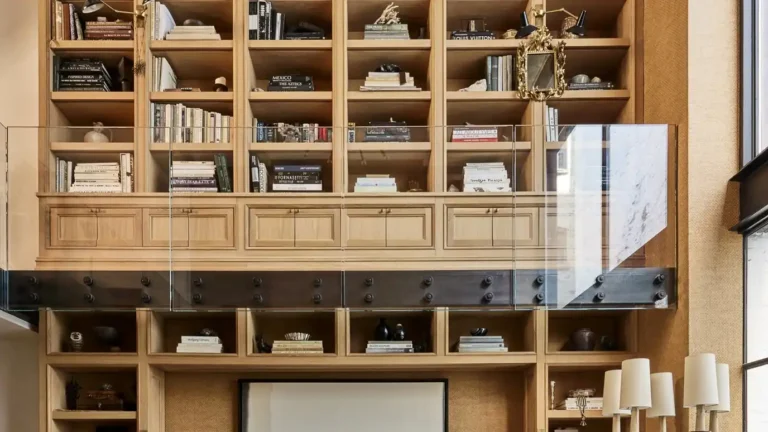
Open shelves in light wood show off the Japandi rule better than anything: a few books, one plant, one clay piece, and lots of air between them.
If your shelves look full, take half away. What remains will look ten times better, and the room will feel larger and calmer.
20. A Tea Corner for Slow Moments
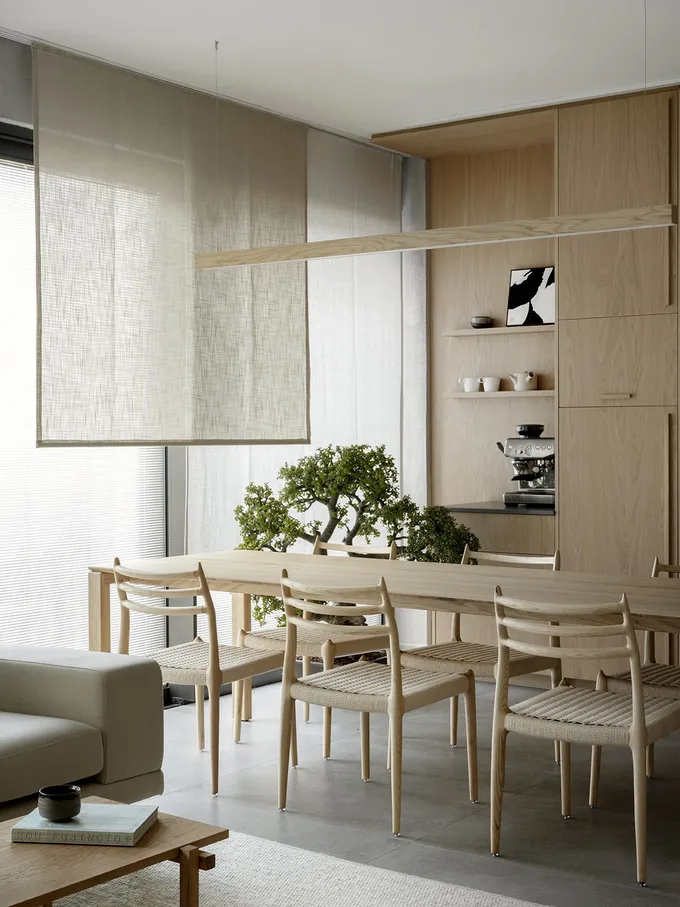
Japandi is not only a look — it is a slower way of living. A small tea corner, with a tray, a teapot, and two cups on a low table or shelf, builds that feeling into the room.
It costs almost nothing and changes how the room is used. Slow corners invite you to sit, breathe, and enjoy the calm you created.
21. Let Natural Light Do the Work
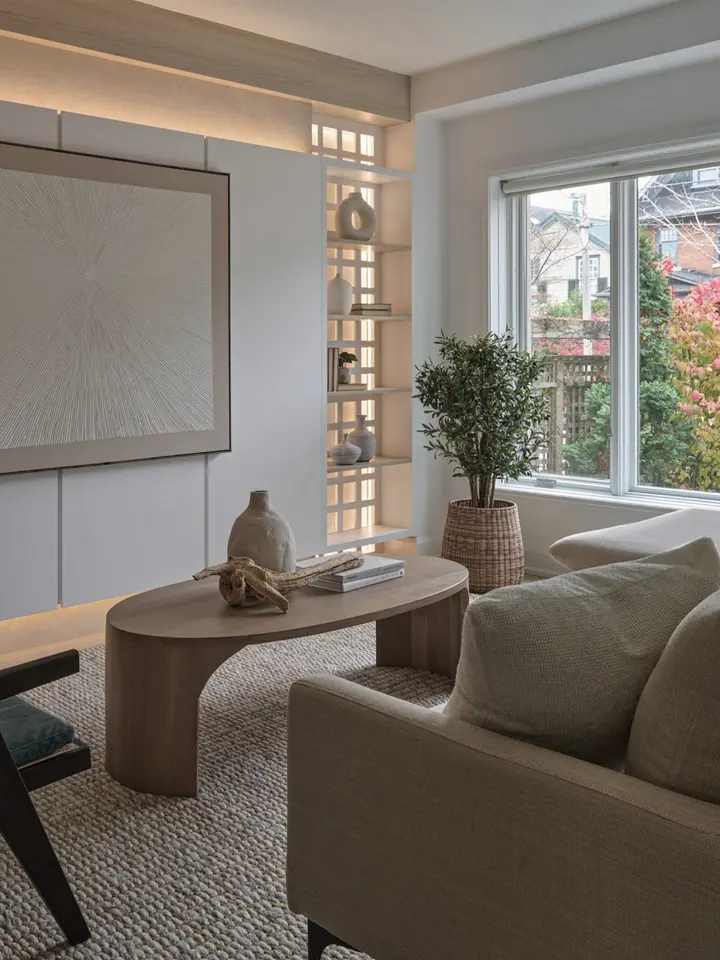
Daylight is the best decoration a Japandi room can have. Sheer linen curtains soften the light without blocking it, and bare windows are even better where privacy allows.
Keep windowsills almost empty and pull furniture away from the light. A bright, soft-lit room needs less decor than a dark one.
And if your windowsill needs just a small touch, Window Sill Decor Ideas: Beautiful Ways to Style Your Windows shows how little it takes to finish the look.
Final Thoughts
A Japandi living room is built on a few simple choices: warm neutral colors, light wood, low furniture, natural textures, and far fewer things than you think. You do not need to buy the whole look at once. Clear the clutter, fix the base colors, add wood and texture slowly — and the calm will follow.

One Comment