
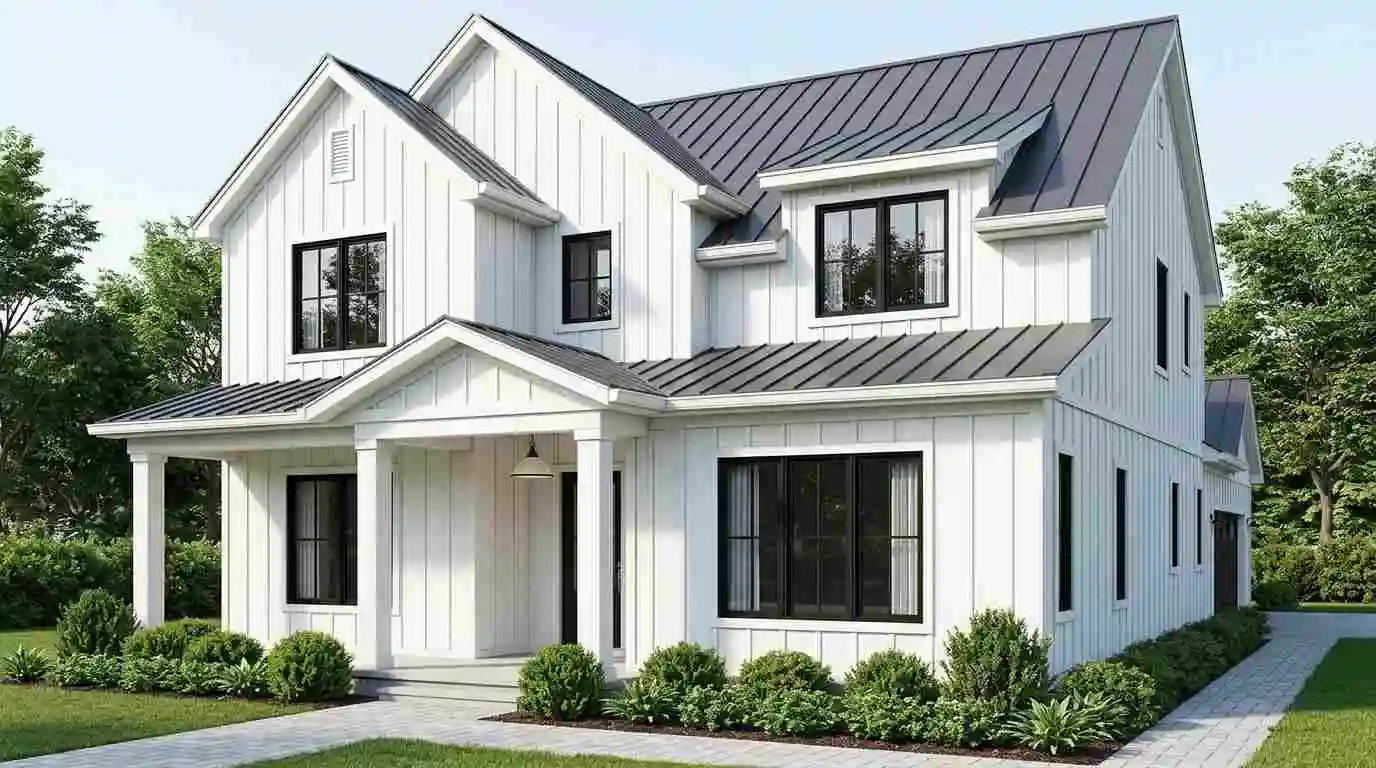
House Color Ideas Outside: Stylish Exterior Colors for Your Home

Choosing the right exterior color can completely change how your home looks from the outside. The best house color ideas outside combine the style of your home with its surroundings, architecture, and personal taste. From timeless neutrals to bold modern shades, these ideas can help you create an exterior that feels welcoming, stylish, and beautifully coordinated.
1. Try a Warm White Exterior
Warm white is a timeless choice for creating a clean and welcoming home exterior. Unlike bright, cool white, warmer shades with cream or beige undertones can make the house feel softer and more inviting. Pair warm white walls with black, brown, or natural wood accents to create contrast. A dark front door can become an attractive focal point, while wooden details around the porch can add warmth. This color combination works especially well with modern, traditional, and farmhouse-style homes. Keep the landscaping natural and simple so the exterior remains the main focus. If you enjoy warm and inviting interiors too, explore [Modern Minimalist Living Room: Simple Ideas for a Stylish Space] for more inspiration.
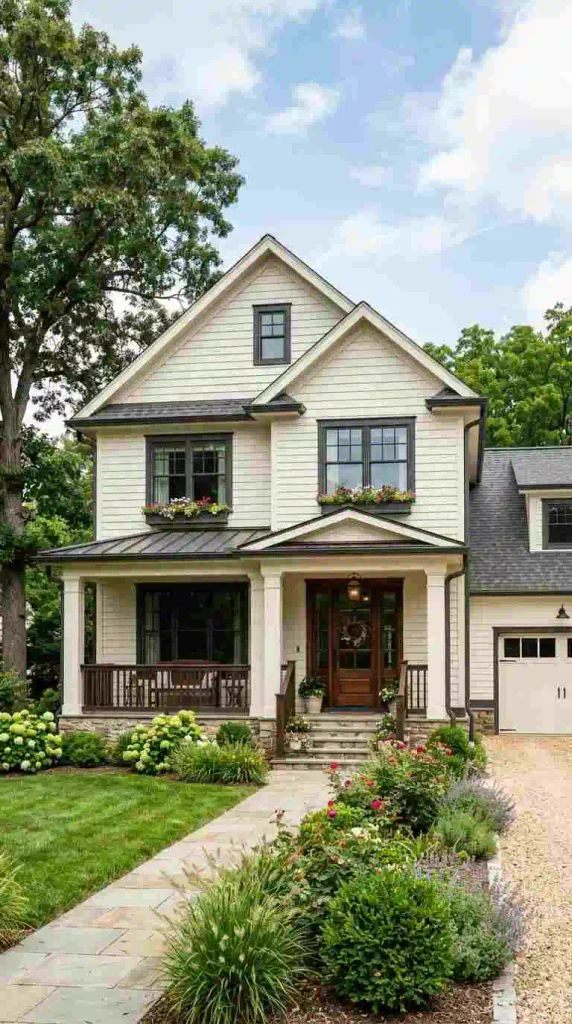
2. Choose Classic Gray Tones
Gray is one of the most versatile exterior colors because it can look both modern and timeless. Light gray creates a soft, elegant appearance, while charcoal gray gives the home a more dramatic and contemporary feel. Pair gray siding or walls with white trim, black windows, or natural wood accents for a balanced exterior. If your house receives a lot of sunlight, test the paint color first because gray can appear lighter outdoors than it does indoors. You can also combine two shades of gray to highlight architectural features. A carefully chosen gray palette can give your home a sophisticated appearance without feeling too bold.
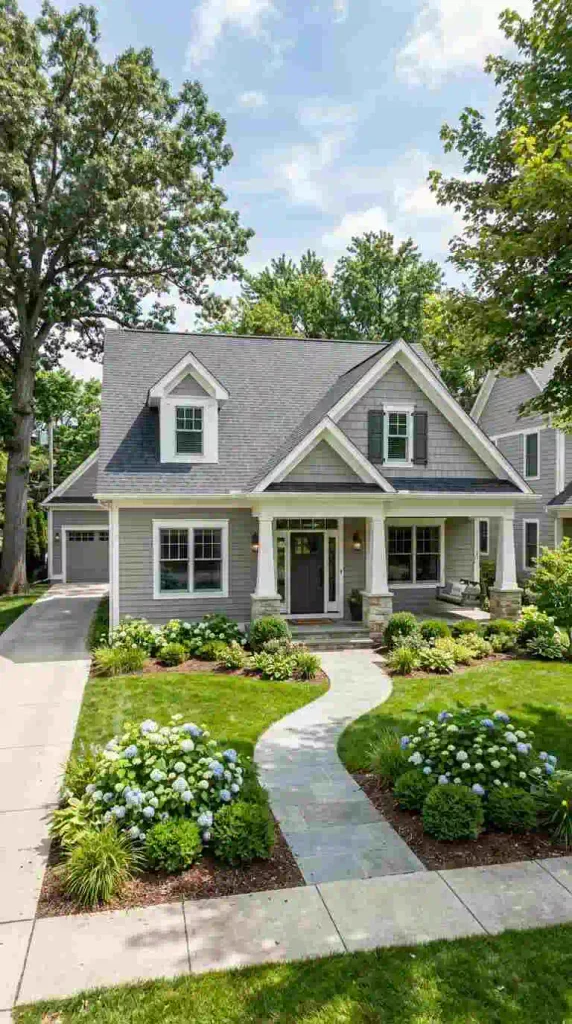
3. Add Natural Beige and Taupe
Beige and taupe are excellent choices if you want your house to feel warm, elegant, and connected to its surroundings. These neutral colors work beautifully with stone, brick, wood, and natural landscaping. A soft beige exterior can be paired with white trim for a traditional appearance or black accents for a more modern look. Taupe provides slightly more depth while still remaining neutral and versatile. These colors are particularly useful if you don’t want an exterior that looks too stark or dramatic. For more inspiration on combining neutral shades throughout your home, explore [Monochrome Home Decor Ideas: Create a Stylish and Cohesive Home] and discover how different tones can create a cohesive look.

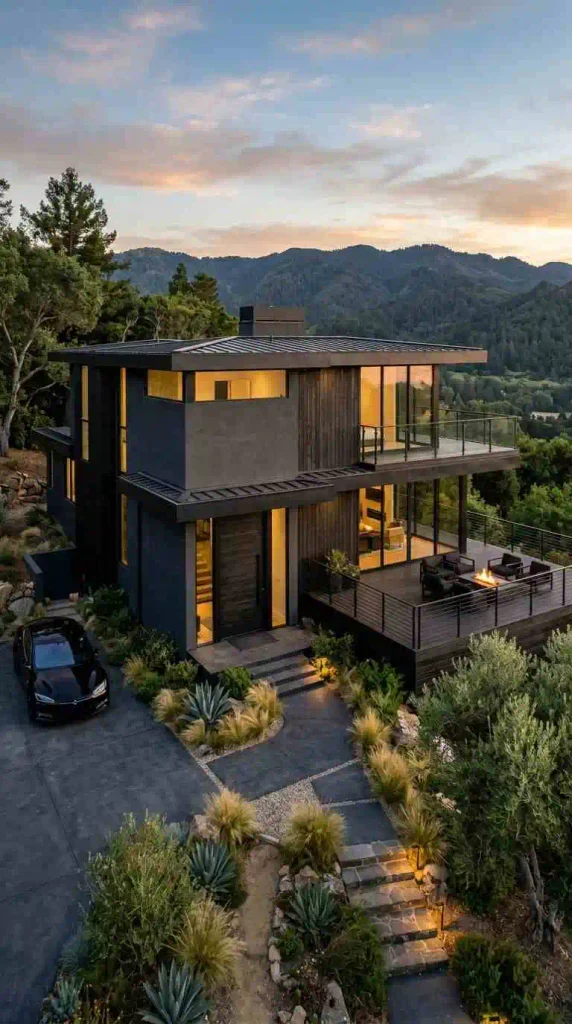
4. Go Bold With Dark Exterior Colors
Dark exterior colors can create a dramatic and sophisticated appearance, especially on modern homes. Shades such as charcoal, deep navy, dark green, and soft black can make architectural details stand out beautifully. Balance a dark exterior with lighter trim, natural wood, stone, or warm outdoor lighting. Dark colors can absorb more sunlight, so consider the climate and the amount of direct sun your house receives before making your final choice. If you’re decorating a smaller home, using a dark color strategically on the front facade or selected sections can create impact without making the entire property feel heavy.
5. Use Natural Green for a Calm Look
Green exterior colors can create a peaceful connection between your home and the surrounding landscape. Soft sage, olive, muted forest green, and gray-green shades can work beautifully with wood, stone, brick, and plants. Lighter greens create a relaxed cottage-inspired appearance, while deeper greens can give the home a more sophisticated character. Keep the trim neutral to allow the green shade to remain the main feature. Green works particularly well when the property has trees, shrubs, or a natural garden around it. If you like incorporating natural colors and materials indoors, explore [Black and White Home Decor Ideas: Create a Timeless Modern Home] for complementary design inspiration.
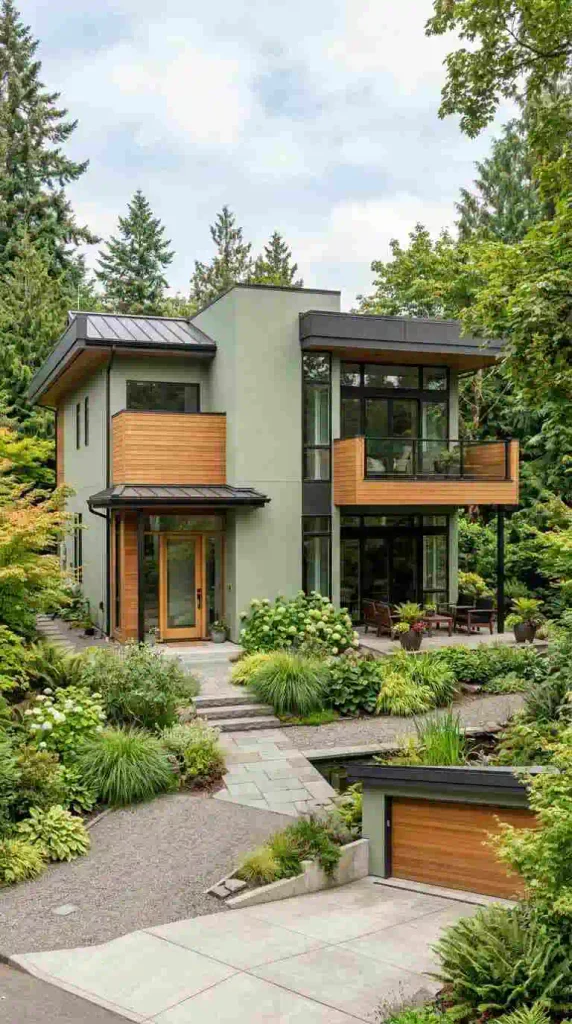
6. Create Contrast With the Front Door
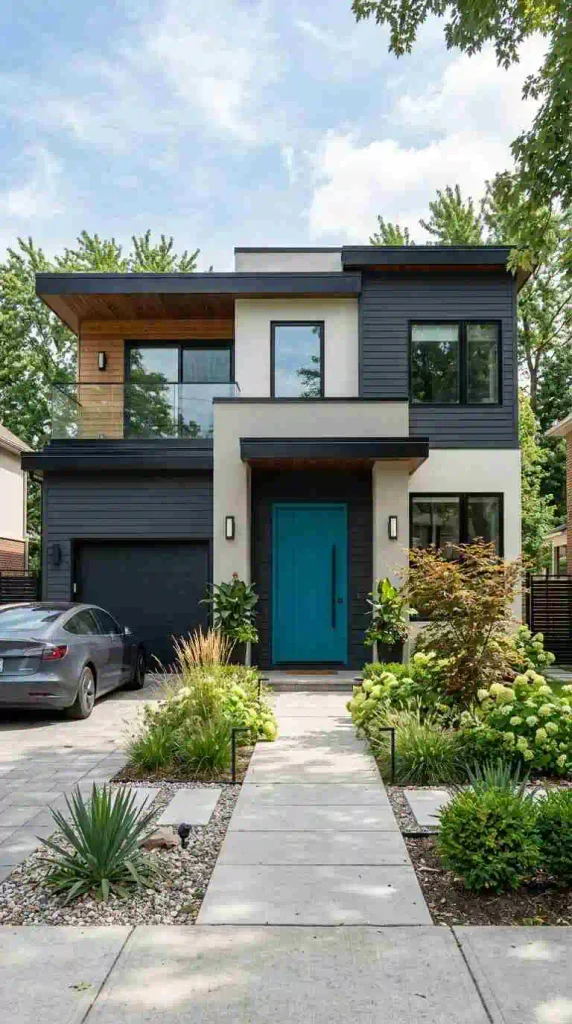
You don’t always need to repaint the entire exterior to give your home a fresh appearance. A bold front door color can create an attractive focal point while keeping the main exterior neutral. Consider deep blue, forest green, black, burgundy, or a natural wood finish depending on the style of your house. If your walls are already dark, a lighter or warmer door can provide beautiful contrast. Coordinate the door with exterior lighting, house numbers, planters, and other small details. A carefully chosen front door can make the entrance feel more welcoming and give the exterior a finished appearance without requiring a major renovation.
7. Combine White With Natural Wood
White and natural wood create a beautiful combination for modern and contemporary homes. Use white as the primary exterior color and introduce wood through the front door, porch ceiling, garage door, columns, or decorative panels. The warmth of the wood prevents the white exterior from feeling too plain while adding natural texture. Light oak and honey-colored wood can create a warm appearance, while darker wood can provide stronger contrast. Keep the landscaping simple with greenery and neutral planters to complete the look. This combination is especially effective for homes with clean architectural lines because the contrasting materials highlight the structure without making it look overly decorated.

8. Consider a Modern Black and White Exterior
Black and white can create a striking exterior with a clean and contemporary appearance. Use white walls with black windows, doors, railings, or trim to create strong visual contrast. You can reverse the combination by using dark exterior walls with white architectural details if you prefer a more dramatic look. Natural wood or stone can soften the contrast and introduce warmth. Keep the exterior accessories simple so the bold color combination remains the focus. If you enjoy this classic contrast indoors as well, explore [Modern Furniture Ideas: Stylish Ways to Upgrade Your Home] for ideas on creating a consistent design style throughout your home.

9. Match Colors With Your Landscaping
Your exterior paint should work with the landscaping surrounding your house. Consider the colors of trees, flowers, grass, pathways, fences, and stonework before choosing a paint shade. A neutral exterior can allow colorful gardens to stand out, while a green or earthy exterior can blend beautifully with a natural landscape. Think about how the colors will look during different seasons because sunlight and surrounding greenery can change the overall appearance. You can also coordinate planters, outdoor furniture, and lighting with the exterior palette. When the house and landscaping complement each other, the entire property feels more cohesive and thoughtfully designed.
10. Use Two or Three Coordinated Colors
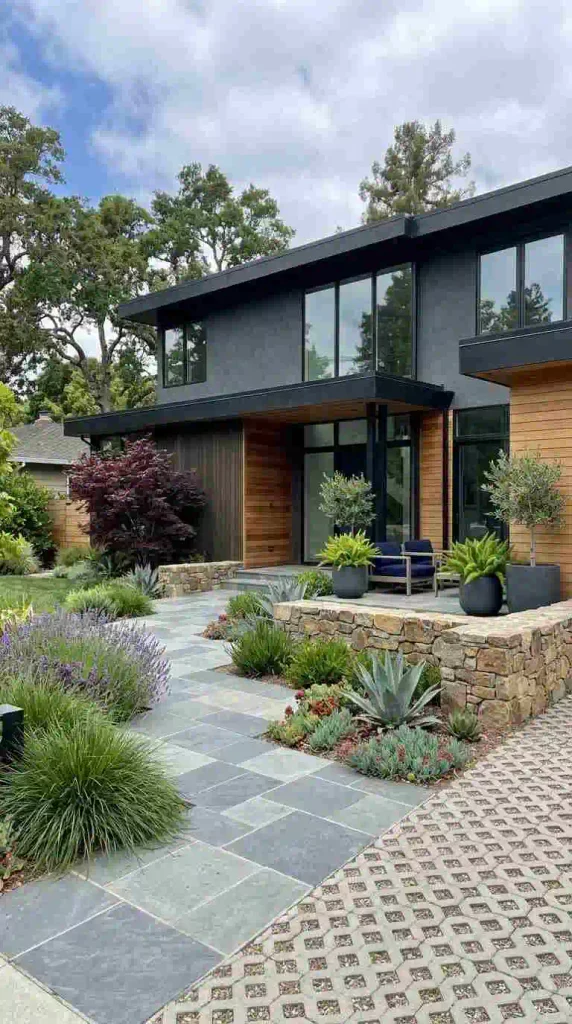
Using more than one exterior color can highlight architectural features and make your home look more interesting. Choose a main wall color, a trim color, and an accent color rather than using many different shades. For example, cream walls can be paired with dark brown trim and a natural wood door. Gray walls can work beautifully with white trim and black accents. Keep the colors within a similar style so they complement rather than compete with each other. Use the accent shade sparingly on areas such as the front door, shutters, garage door, or architectural details. A simple three-color palette can create a polished and balanced exterior.
Final Thoughts
The best house color ideas outside are the ones that complement your home’s architecture, surroundings, and personal style. Whether you prefer warm white, sophisticated gray, natural beige, calming green, or dramatic dark colors, focus on creating a balanced combination with your trim, doors, landscaping, and exterior materials. You can also take inspiration from [Modern Kitchen Design: Stylish Ideas for a Beautiful and Functional Space] when thinking about how color and contrast can create a focal point. With the right exterior palette, even a simple home can look fresh, welcoming, and beautifully designed.
6 Comments