21 New Year Home Organization Ideas for a Fresh Start

A new year feels like a clean page, and the fastest way to feel that fresh start at home is to give every little thing a proper place. You do not need a big budget or a full weekend of hard work. Small, smart changes — one shelf, one drawer, one basket at a time — slowly turn a messy home into a calm one.
The ideas below go room by room, so you can start in the kitchen, move to the closet, and finish in the bathroom and entryway. Each idea uses simple things like clear jars, baskets, labels and racks that cost very little. Pick two or three ideas for this week, and your home will already feel lighter.
If you like these ideas, save this post on Pinterest so you can come back to it room by room through the year.
1. Start With the Pantry Shelf You Use Every Day
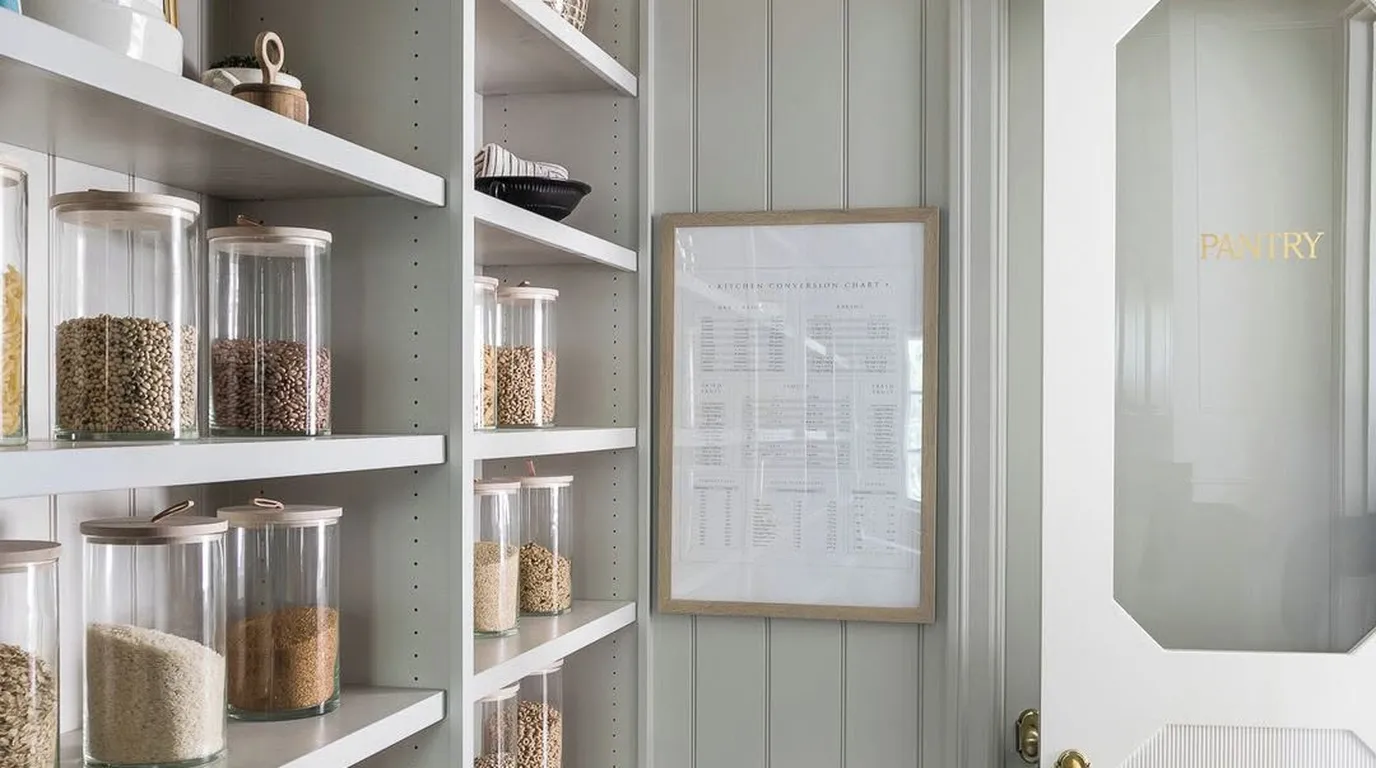
Do not try to organize the whole pantry in one day. Start with the one shelf you open every morning for tea, coffee or cereal. Take everything off that shelf, wipe it clean, throw away anything expired, and put back only the things you truly use daily. Keep this shelf at eye level, between your waist and your shoulders, so nothing hides at the back. A family of four usually needs just 6 to 8 daily items on this shelf. When the first shelf looks calm, the rest of the pantry feels much easier to face.
2. Move Dry Food Into Clear Jars
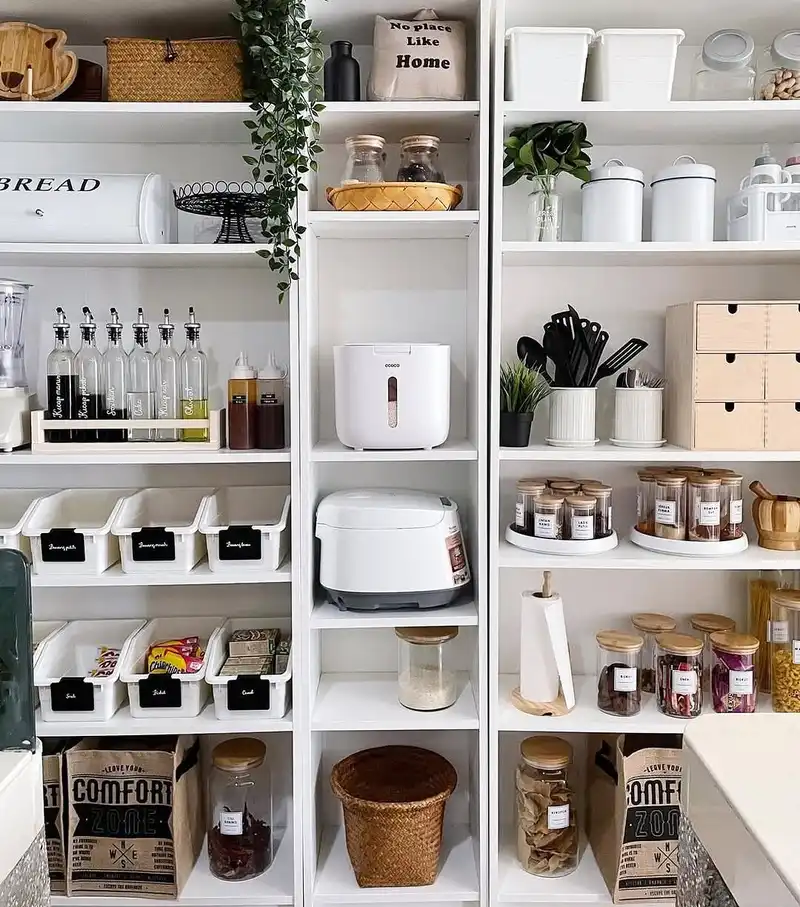
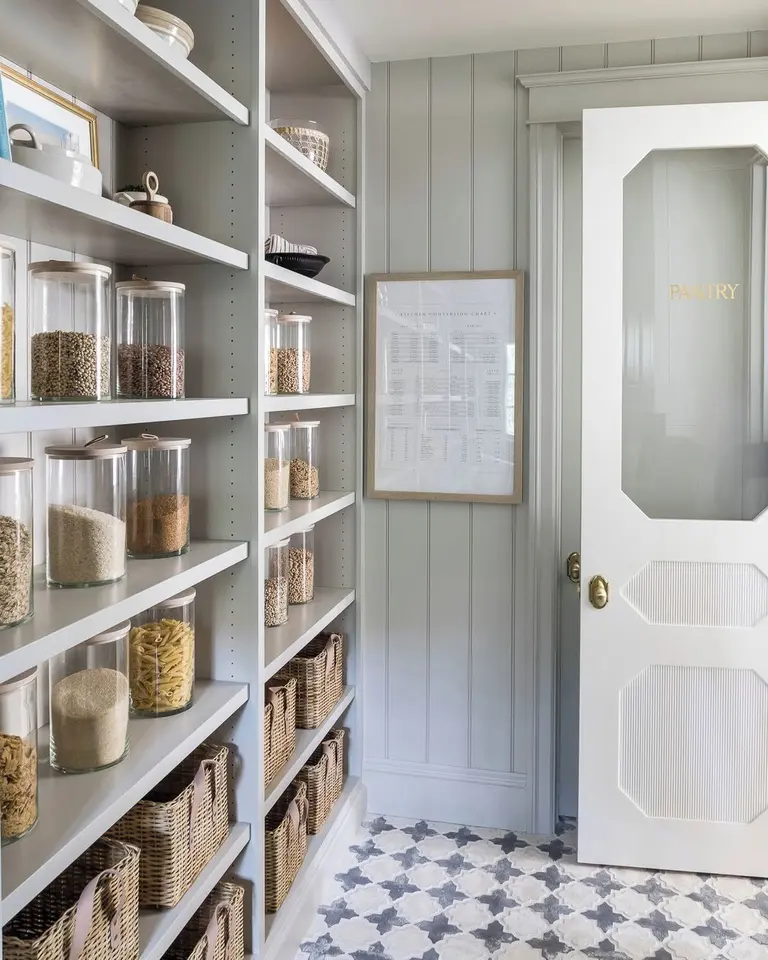
Flour, rice, pasta and sugar stay fresh longer and look neater in clear jars with tight lids. Glass jars of 1 to 1.5 liters work for most dry foods, and a set of 8 to 12 jars covers a normal pantry. Clear jars end the problem of three open packets of the same thing, because you can see exactly what you have before you shop. Put the newest food at the back and the older jar in front. Write the cooking time for rice or pasta on a small sticker under the lid — a tiny tip that saves guesswork on busy nights.
3. Add Pull-Out Shelves in Deep Cabinets
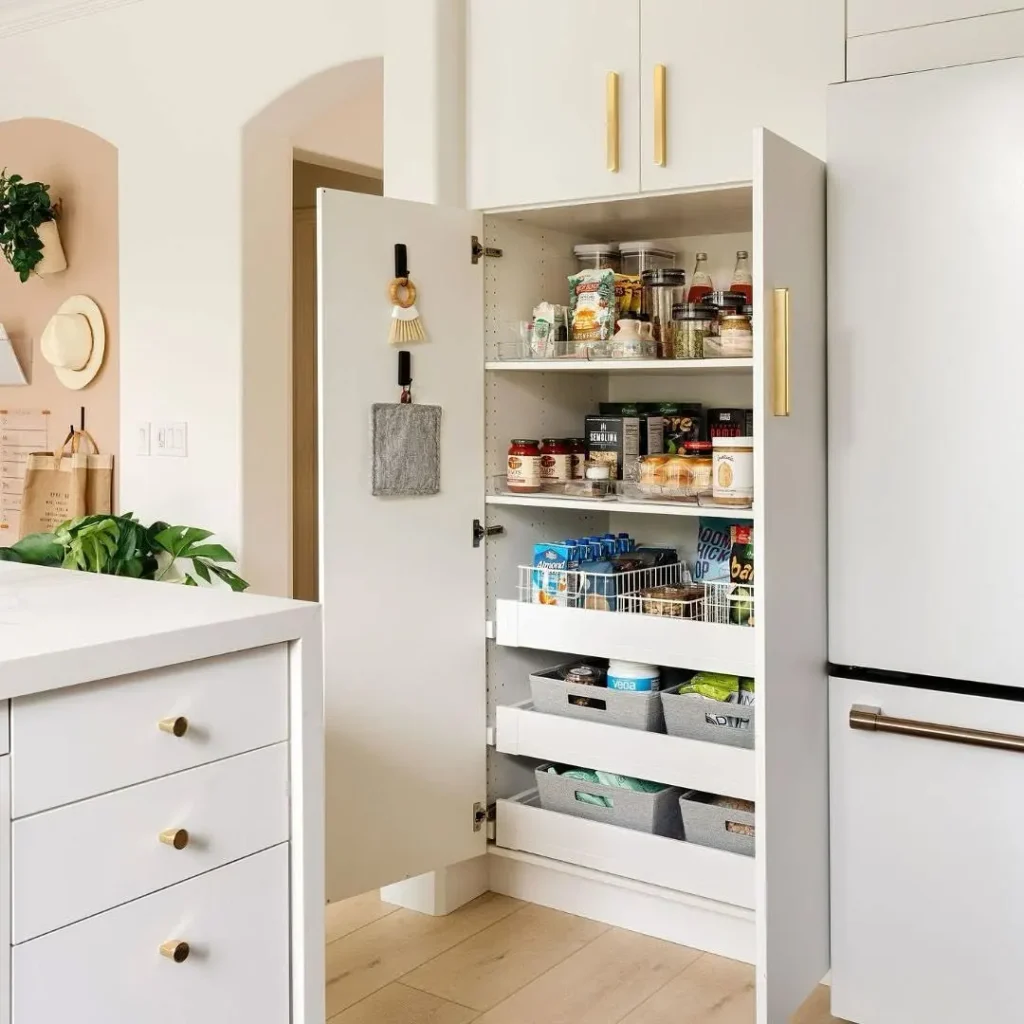
Deep kitchen cabinets swallow pots and tins, and the back row is soon forgotten. A pull-out shelf or a simple rolling tray brings the back row to you with one pull. Most pull-out shelves come in widths of 30, 40 and 50 cm and cost around $15 to $30 each. Measure the cabinet opening before you buy, and leave 2 cm of free space on each side. Start with the cabinet you hate most — usually the corner one. Once you can see every pot and lid, cooking feels faster and nothing gets bought twice.
4. Use the Back of the Cabinet Door
The inside of a cabinet door is free storage that most homes waste. A slim wire rack on the door holds spice packets, foil, cling film or measuring spoons. Door racks usually cost $8 to $15 and fit with two small screws or over-the-door hooks, so renters can use them too. Keep the rack shallow — about 8 to 10 cm deep — so the door still closes softly. This one change clears a surprising amount of counter space, because the small flat things that clutter drawers finally get a home of their own.
5. Put Spices and Bottles on a Turntable
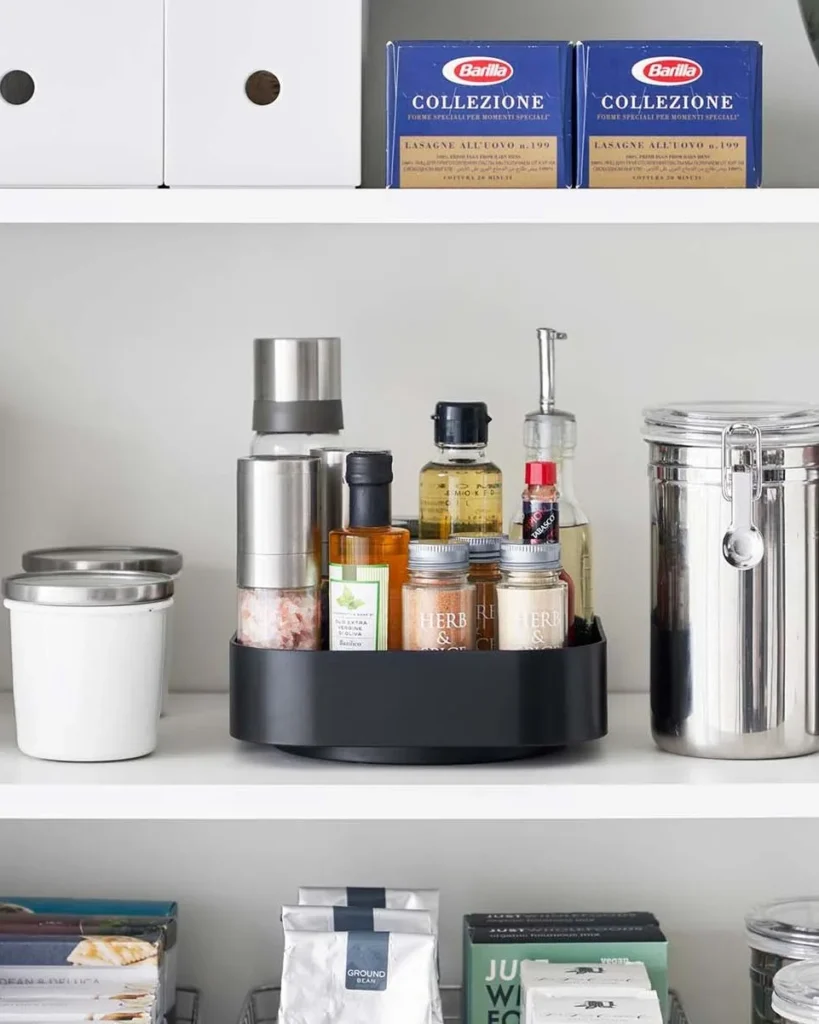
A turntable, also called a lazy Susan, ends the digging game in deep corners. One spin shows every spice jar or sauce bottle at once. A 25 to 30 cm turntable fits most kitchen cabinets and costs around $10. Keep spices in small matching jars, about 100 ml each, with the name written on the lid so you can read them from above. Group them by use — daily spices in front, baking spices behind. Oils and vinegar bottles also sit well on a turntable under the sink or beside the stove, as long as they stay away from direct heat.
6. Give the Fridge Clear Zones
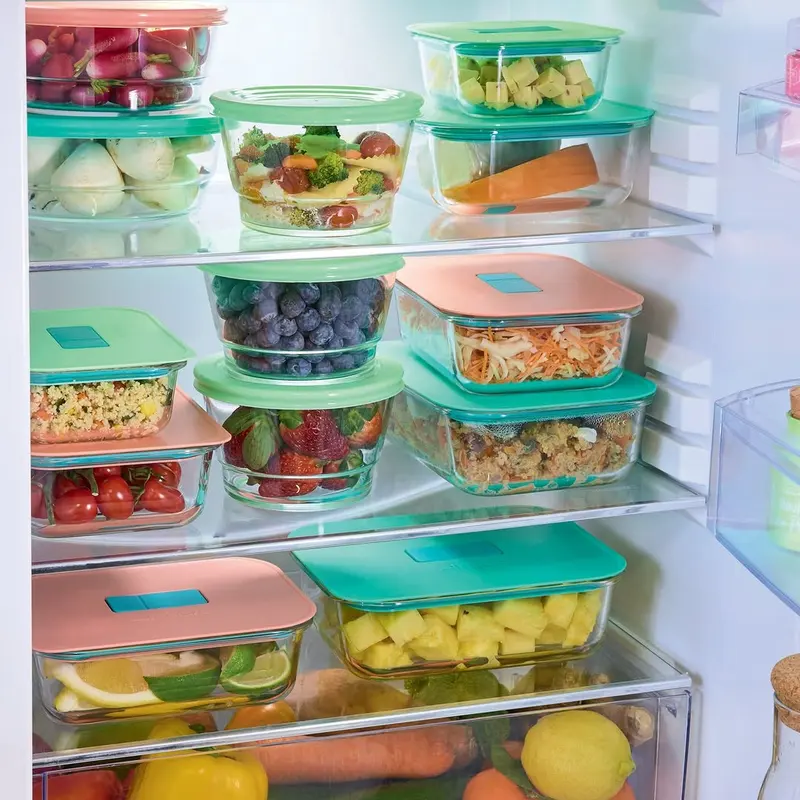
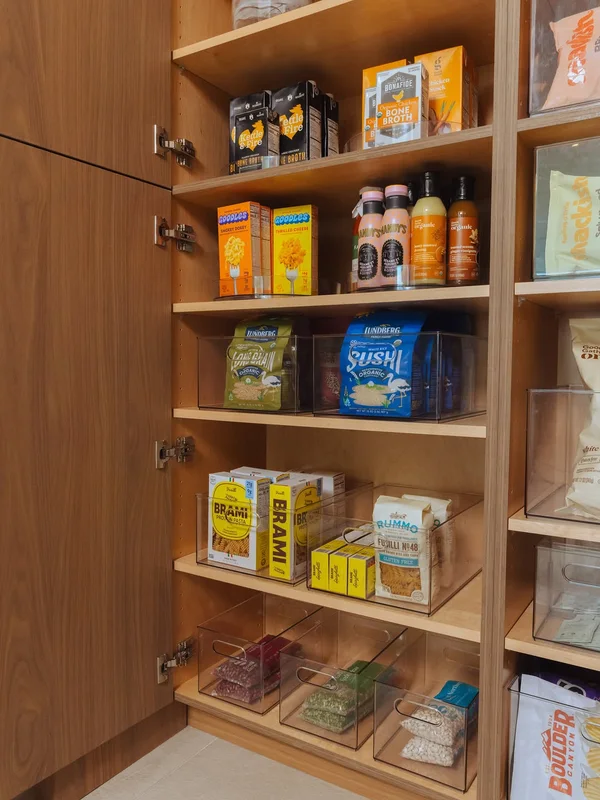
A fridge stays tidy when every shelf has one job. Use clear containers to make zones: one box for cheese and cold cuts, one for sauces, one for fruit, and the drawers for vegetables. Clear boxes of about 1 to 2 liters stack well and cost $3 to $6 each. Put a small “eat first” box at the front for leftovers and food close to its date — this one habit cuts food waste a lot. Wipe one shelf each week when you shop, not the whole fridge at once, and the system keeps itself going all year.
7. Make a Drop Zone by the Front Door
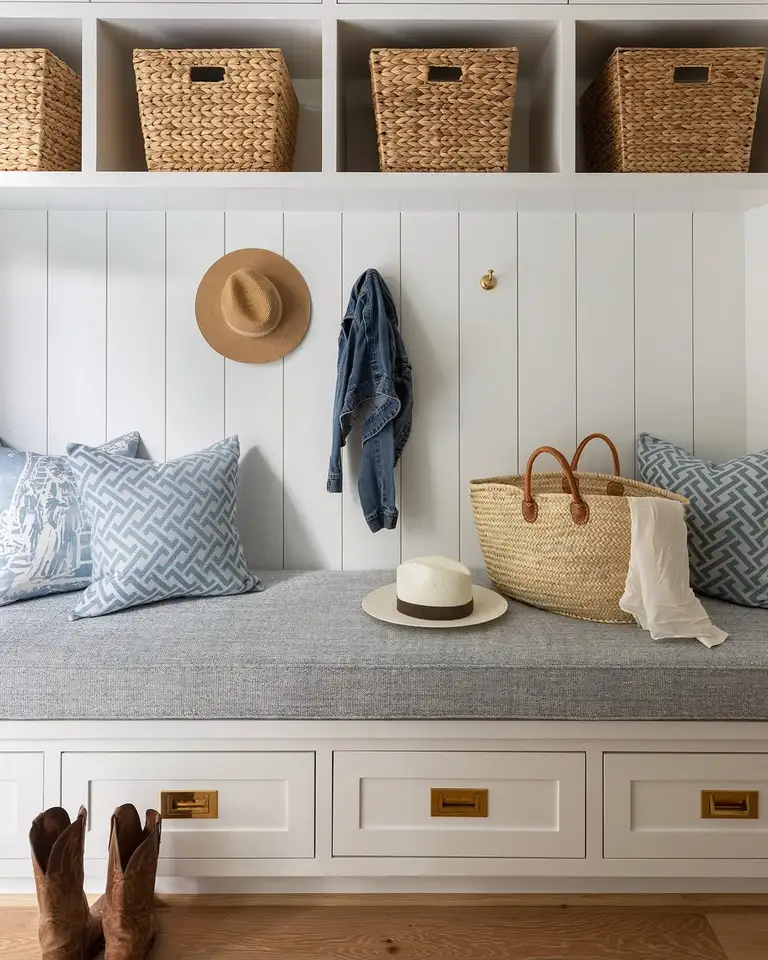
Keys, bags, shoes and mail land at the front door whether we plan it or not — so plan for it. A small bench with baskets under it, two or three wall hooks, and one tray for keys and mail make a drop zone that catches everything. Hooks should sit about 140 cm high for adults and 100 cm for kids. Give each person one basket, roughly 35 cm wide, for their shoes and bits. When everything lands in one small zone, the rest of the home stays clear almost by itself.
8. Empty and Divide the Junk Drawer
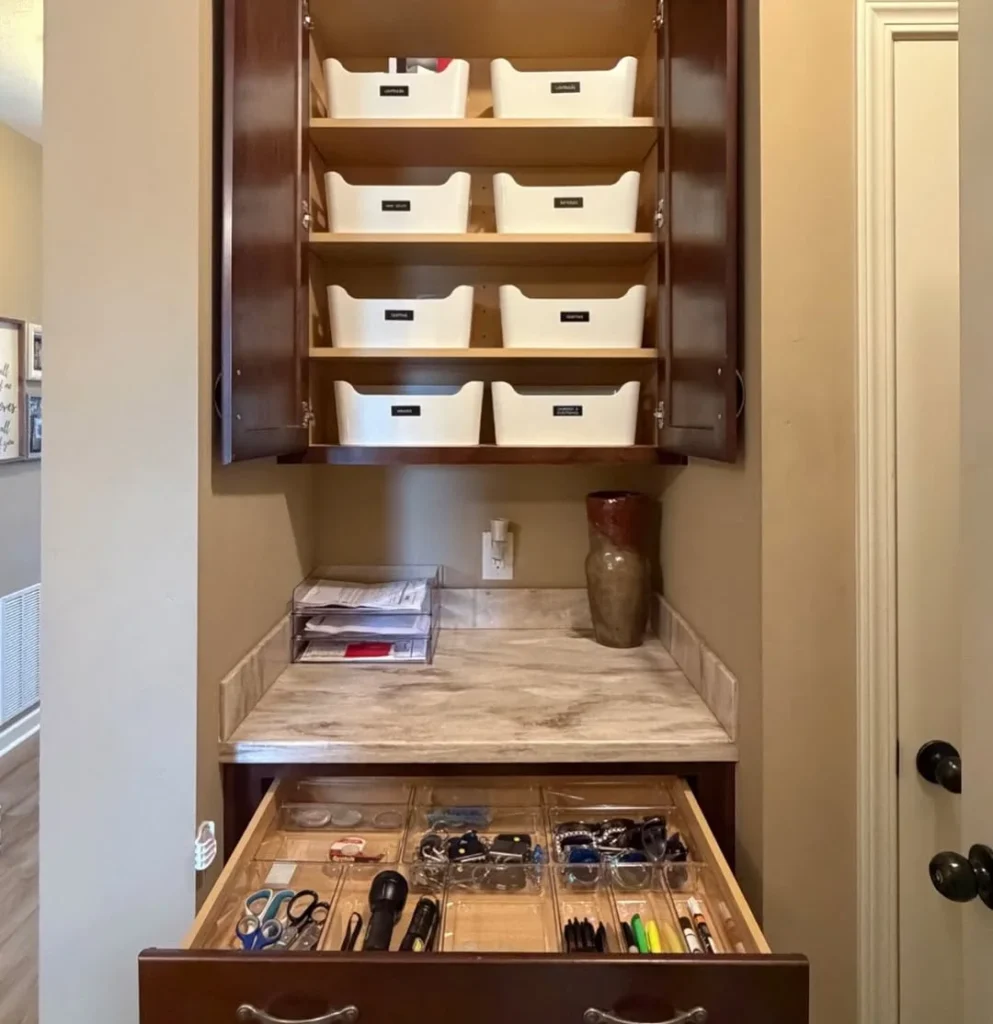
Every home has one drawer where batteries, tape, pens and mystery keys go to hide. Empty it fully — this takes ten minutes and feels great. Throw away dead pens and empty packaging, then put back only five groups: tools, tape and glue, batteries, pens and paper, and chargers. A drawer divider tray with 5 to 8 sections costs around $8 and keeps the groups apart. If your drawer also serves your desk, these desk drawer groups pair well with the ideas in Home Office Setup: Stylish and Practical Ideas for a Comfortable Workspace. One rule keeps it tidy: if a thing has no group, it does not go in the drawer.
9. Put Folded Clothes in Matching Bins
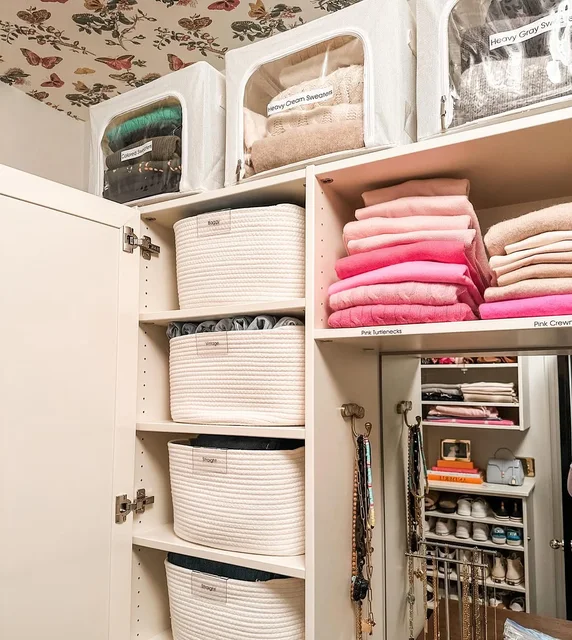
Closet shelves look messy mostly because folded piles lean and mix. Fabric bins fix this in one step: one bin for t-shirts, one for sweaters, one for gym clothes, one for pajamas. Standard fabric bins are about 28 x 28 x 28 cm and fit most shelves; a set of 6 costs around $20. Matching bins in one color make the whole closet look calm, even if the folding inside is not perfect. Leave the top shelf for things you rarely use, like party clothes or extra blankets, so daily shelves stay light and easy.
10. Hang Clothes From Light to Dark
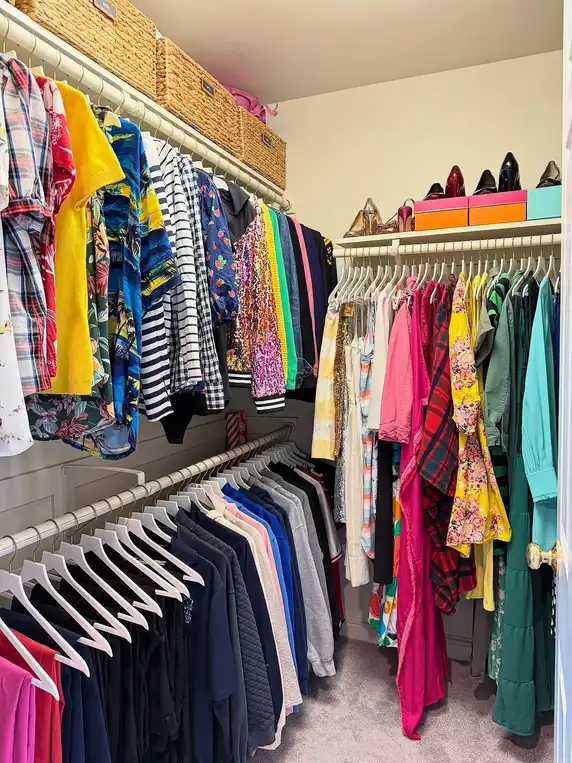
Here is a free trick that makes any closet look organized in minutes: hang clothes in order from light to dark — whites, then colors, then black at the end. Within each color, keep shirts together and dresses together. Your eyes read the closet as one smooth line, and finding an outfit in the morning takes half the time. Slim matching hangers help too; velvet hangers are about 42 cm wide, stop clothes slipping, and take half the space of chunky wooden ones. A pack of 30 usually costs around $12 and is enough for one person’s daily wardrobe.
11. Stack Shoes in Clear Boxes
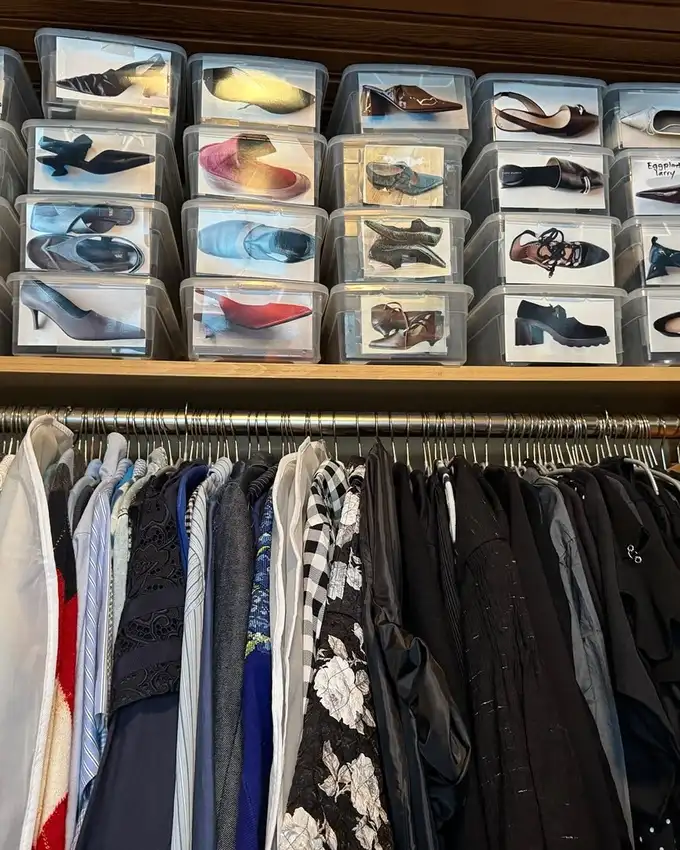
Shoes piled at the bottom of a closet get dusty, squashed and forgotten. Clear stackable shoe boxes show every pair at a glance and use the high shelf space that normally goes to waste. One box per pair, about 33 x 23 x 13 cm, stacks six to eight high without falling. Keep daily shoes on the lowest two levels and party shoes on top. A set of 12 boxes costs around $25. If you store bigger overflow like boots and sports gear, the same stacking idea works in the garage too, as shown in Garage Organization Ideas: Smart Ways to Create a Clean and Functional Space.
12. Label Every Bin and Basket
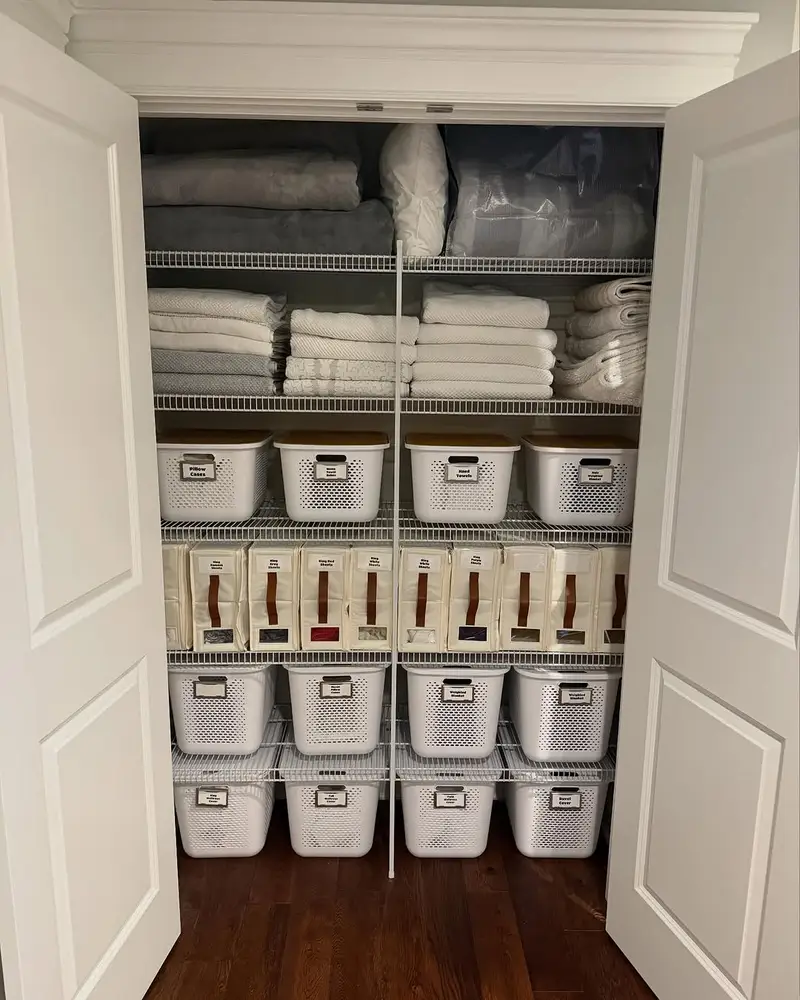
Labels are the small thing that makes every other system in this list actually last. When a bin says “winter gloves” or “batteries”, everyone in the house knows where things go back — not just the person who organized it. Simple sticker labels or small tags tied with string cost almost nothing; a label maker is around $20 if you want it neat. Label at eye level on the front of the bin, not the top. In the laundry area, labeled baskets for whites, colors and towels make sorting day much faster, just like in Laundry Room Hacks: Smart and Simple Ideas to Create an Organized Space.
13. Fold Linens by Set in the Linen Closet
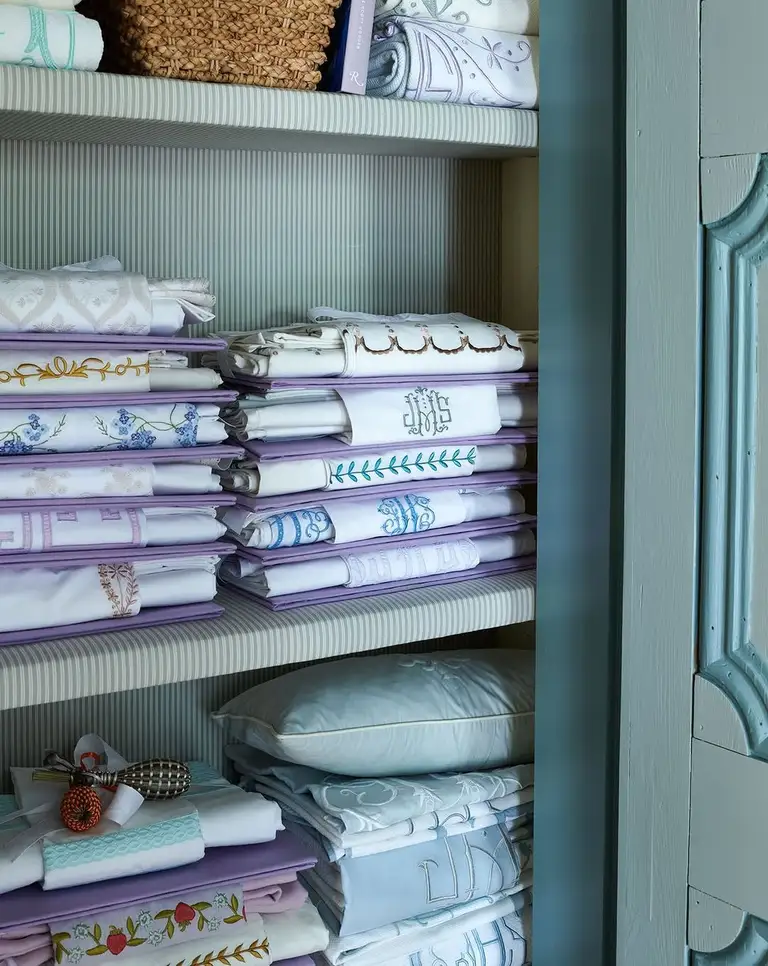
The linen closet stays calm when each bed’s sheets are stored as one set. Fold the flat sheet, fitted sheet and duvet cover together, and slide the whole set inside one of its pillowcases — you get one tidy bundle per bed, about 30 cm wide. Towels fold best in thirds and stack in piles of four to six. Keep one shelf for guest towels so they stay fresh. Add a small basket for washcloths and a spare set of pillow covers. When changing beds takes two minutes instead of ten, Sunday evenings feel much kinder.
14. Keep Only Daily Items on the Bathroom Counter
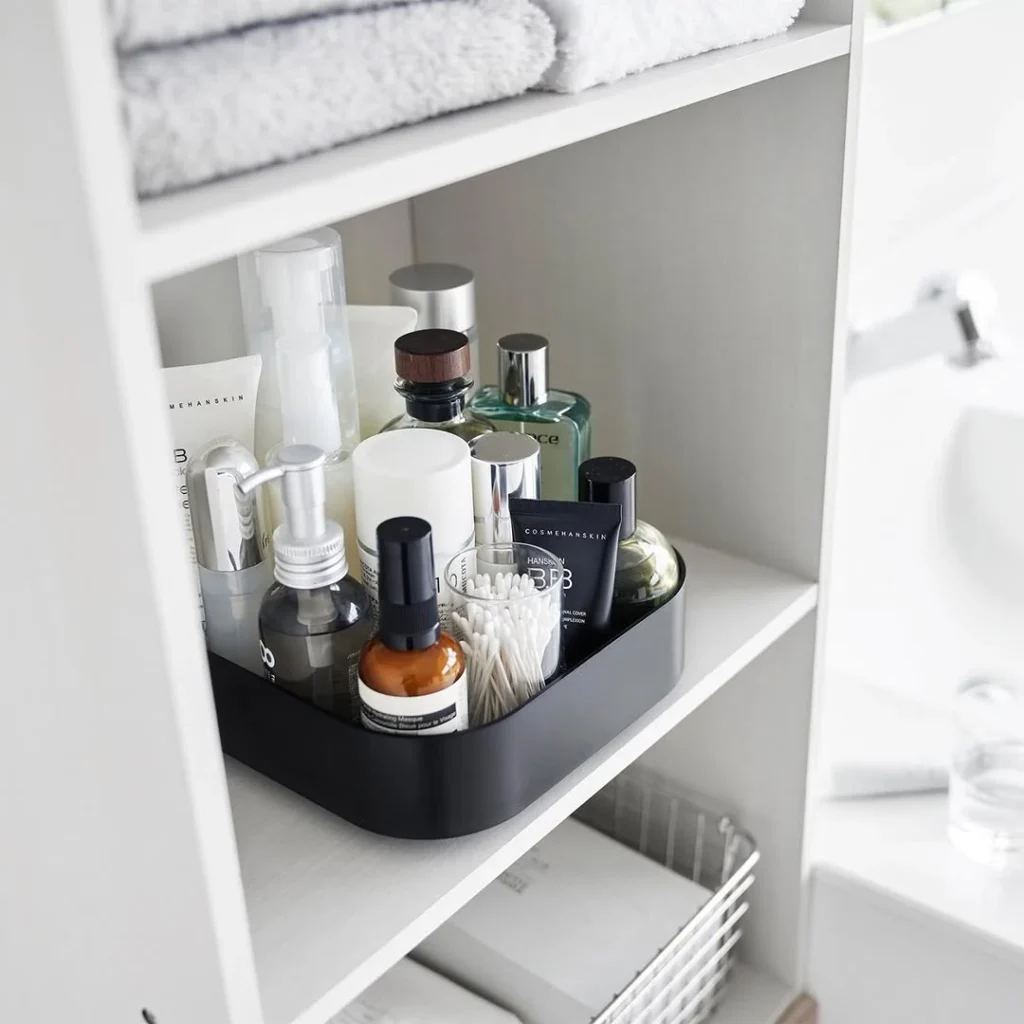
A bathroom counter looks clean when it holds only what you use every single day: soap, toothbrush, and one or two daily products. Everything else belongs in a drawer or cabinet. A small tray, about 25 x 15 cm, gathers the daily items into one neat group and makes wiping the counter a five-second job. Choose a tray with short sides so bottles do not slide off. If two people share the bathroom, give each person their own small tray. This is the fastest bathroom change in this whole list — it takes five minutes and shows results right away.
15. Divide the Bathroom Drawer
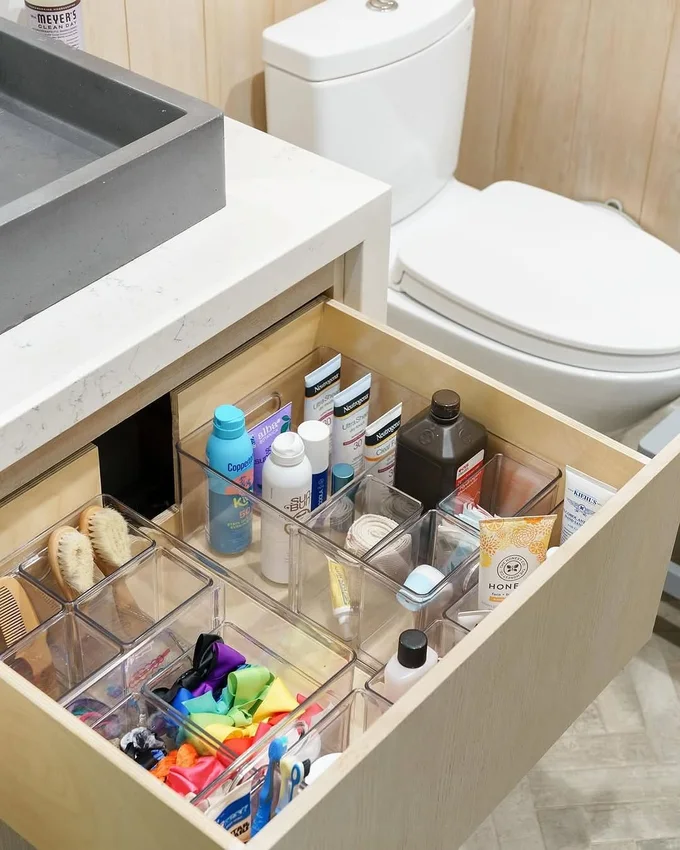
Bathroom drawers mix makeup, hair ties, cotton buds and medicine into one tangle. A divided tray with small sections sorts it all: one section for makeup, one for hair things, one for nail care, one for medicines. Adjustable bamboo or plastic dividers cost $10 to $15 and fit drawers from 30 to 50 cm wide. Stand tall bottles at the back and lay flat items in front. Check medicine dates twice a year — January is a perfect month for it, right when you are doing this new year reset.
16. Sort Bathroom Bottles Into Clear Trays
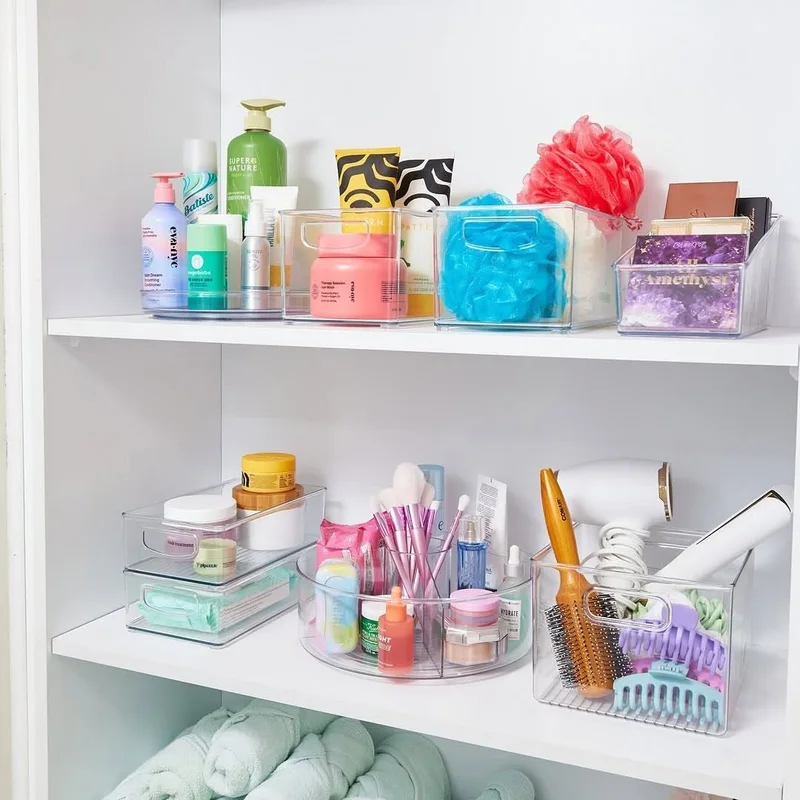
Under-sink cabinets and bathroom shelves stay tidy when bottles sit in clear trays instead of standing loose. One tray for hair products, one for cleaning sprays, one for spare shampoo and soap. Clear trays of about 30 x 20 cm cost $4 to $7 each and pull out like a drawer, so nothing hides at the back. This also protects the cabinet floor — if a bottle leaks, the tray catches it. Keep cleaning products in their own tray, away from beauty products, and the whole cabinet feels safer and simpler.
17. Use the Dead Corner and the Wall
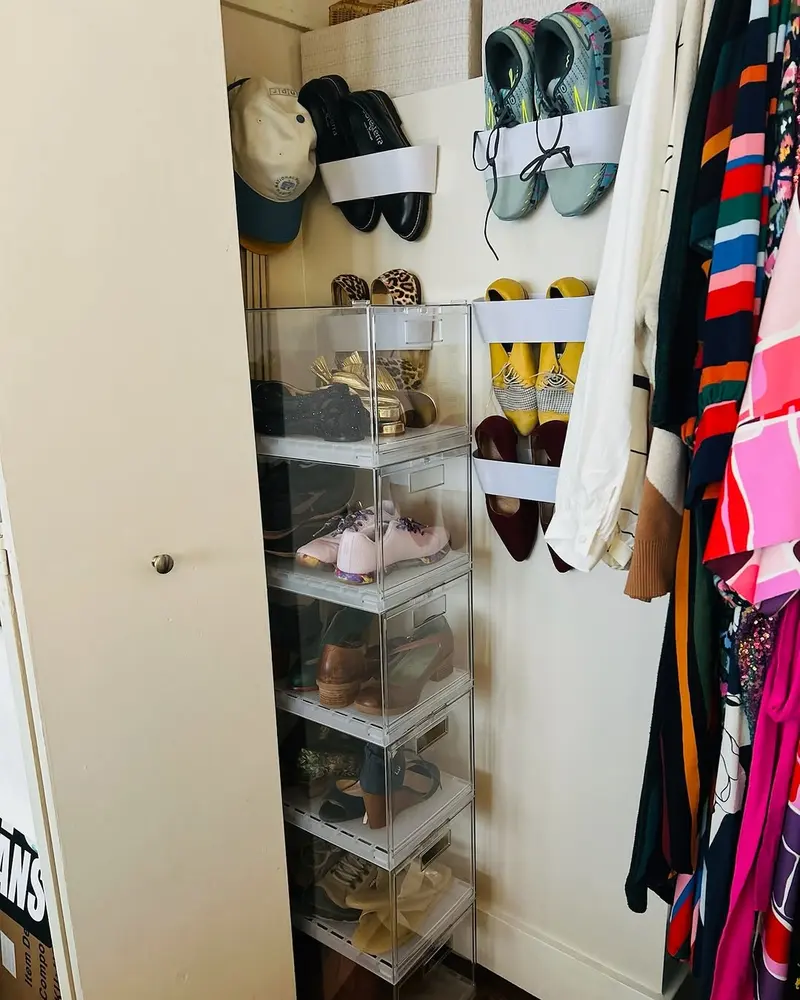
Every closet has a dead corner and a blank piece of wall that stores nothing. Put them to work. Shoes can hang flat on simple wall straps or hooks, two pairs in a row, and clear boxes stack tall in the corner — five or six high — without using an inch of floor. Wall shoe straps cost around $10 for a set and hold flats, sandals and trainers neatly against the wall. This up-not-across thinking is gold in small homes, and it pairs with many of the ideas in Small Space Decorating Ideas: Simple Ways to Make a Small Home Feel Bigger. When the floor stays clear, even a small closet feels twice as big.
18. Give Toys Open Bins Kids Can Reach
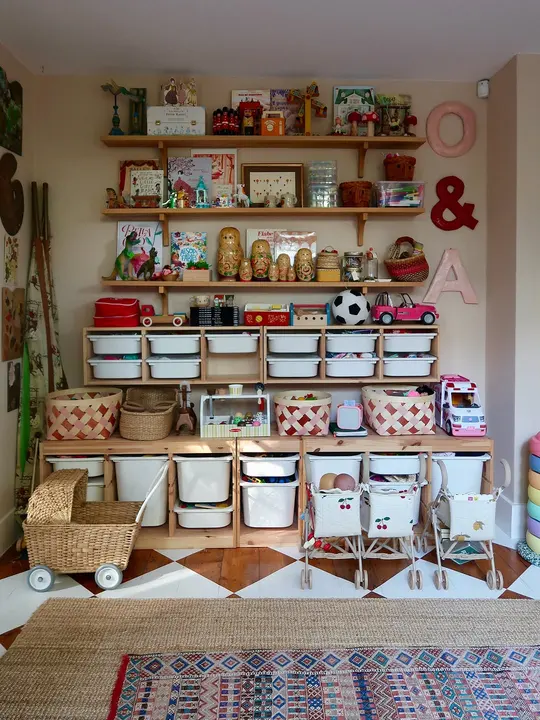
Toy storage works when kids can tidy it themselves. Open bins at child height — shelves no higher than 90 cm — mean a five-year-old can drop toys in without help. Use one bin per type: cars, blocks, dolls, art things. Bins of about 30 x 25 cm in bright or soft colors cost $5 to $8 each. Picture labels help small kids who cannot read yet. Keep only 6 to 8 bins out at once and store the rest; swapping toy bins every few weeks makes old toys feel new again, for free.
19. Pick One Basket Style for the Whole House
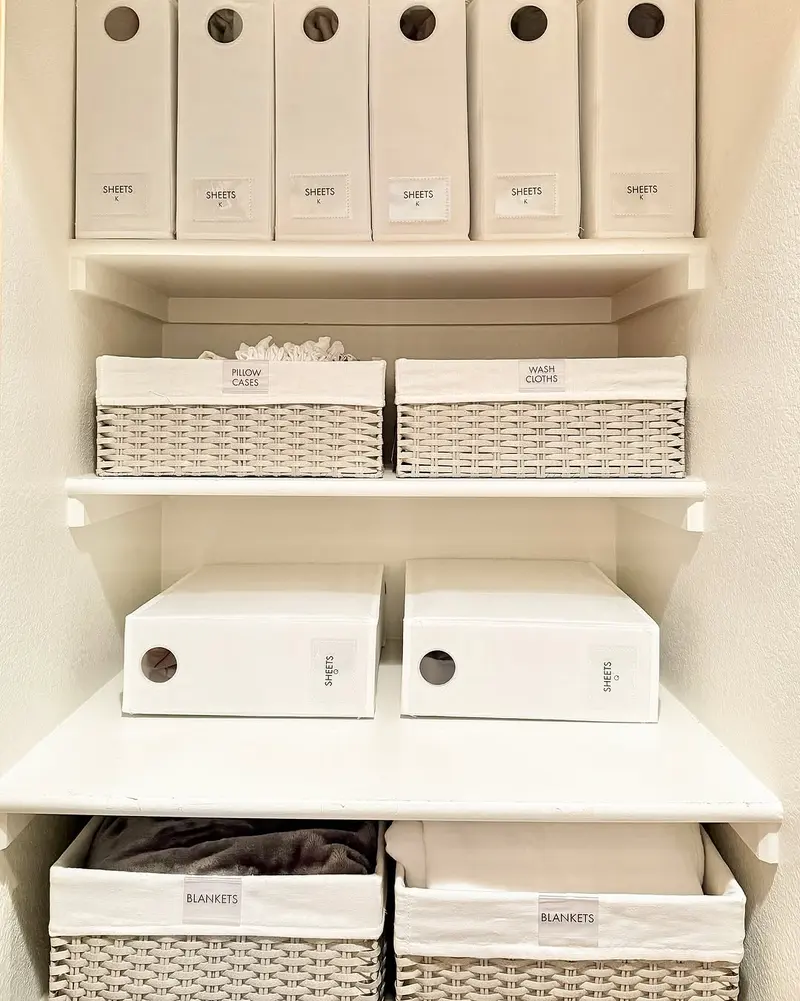
A home looks organized faster when storage matches. Choose one basket style — say, natural woven baskets or plain white boxes — and use it in the living room, bedrooms and laundry alike. Matching baskets calm the eye because every shelf follows the same pattern. Woven baskets around 35 x 25 cm cost $8 to $12 each, and buying the same style in sets is usually cheaper. This works beautifully for laundry sorting too, as the matching baskets in Laundry Room Storage Solutions: Smart Ideas for an Organized and Functional Space. Start with the living room, where guests see the change first.
20. Keep a Back-Stock Shelf for Extras
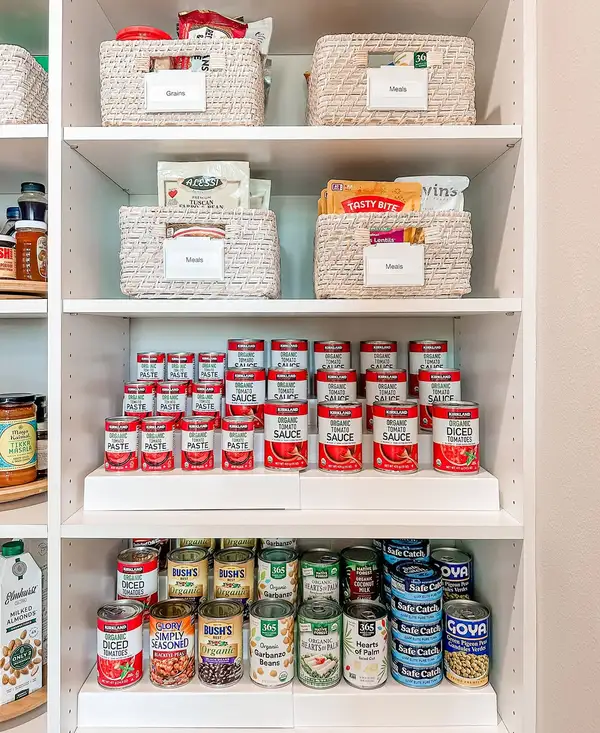
Running out of soap or pasta mid-week creates small stress and extra shopping trips. A back-stock shelf solves it: one shelf in a pantry, closet or utility area holding extras of the things you always use — soap, shampoo, rice, tins, toilet paper. Keep 2 to 3 extras of each item, no more, so the shelf stays a system and not a hoard. When you take the last extra, write the item on your shopping list right away. A quick look at this shelf before shopping stops double-buying, which quietly saves real money over a year.
21. Line Every Jar Facing Forward
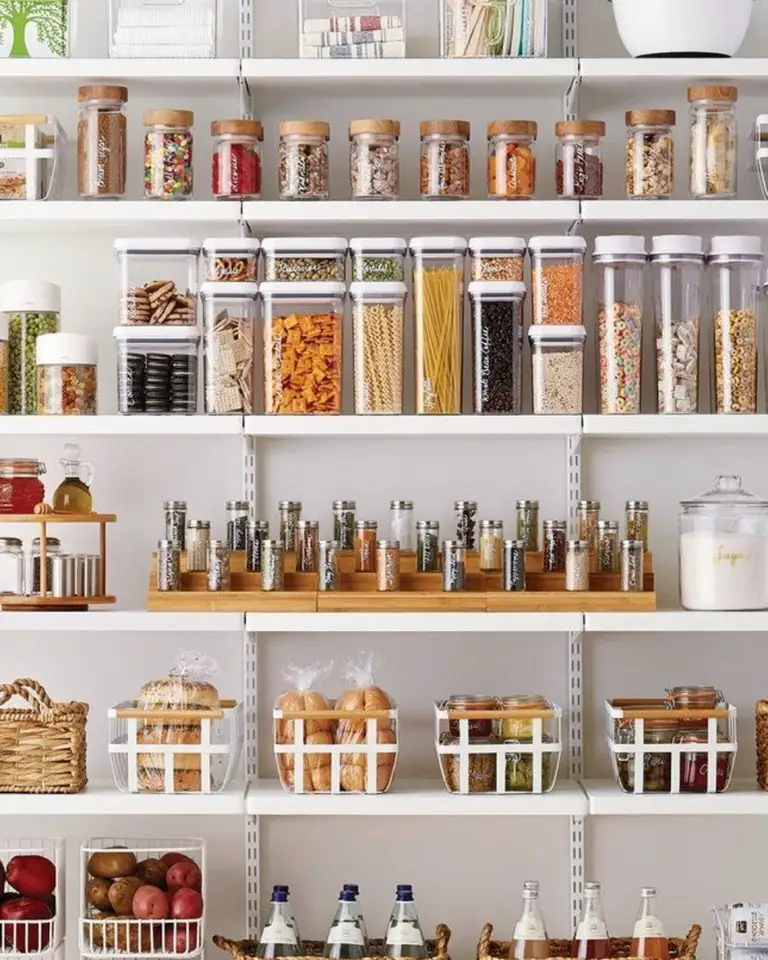
Finish your reset with the habit that keeps it looking good: every jar and tin facing forward, labels out, in one straight row. It sounds small, but a shelf where everything faces the same way reads as tidy at a glance, and you spot a missing item in seconds when its empty gap shows. Group jars shoulder to shoulder by type — pasta with pasta, spices with spices — and keep the tallest jars at the back. This takes two minutes per shelf, once a week, and it is the quiet trick behind every pantry photo that ever made you want to organize your own.
Quick Tips
- Start with one drawer or one shelf — small wins build the habit better than one huge clean-out.
- Buy containers after you sort, not before, so every bin is the right size for what you own.
- Keep a small donation bag in a closet all year; when it fills up, it goes straight out.
- Put labels on the front of bins at eye level — that is where people actually look.
- Give everything a home within two steps of where you use it, and tidying becomes almost automatic.
Final Thoughts
An organized home is not built in one big January weekend — it grows from small systems that are easy to keep. Start with the pantry shelf and the junk drawer this week, add the drop zone and the labels next week, and let the closet and bathroom follow. Use clear jars and trays so you can see what you own, match your baskets so the house looks calm, and keep a back-stock shelf so daily life runs smoothly. By spring, these little habits will hold your home together almost without effort — and that is the real fresh start a new year should bring.