19 Small Entryway Decor Ideas for a Warm Welcome

A small entryway has a hard job. It is the first thing guests see, the place where shoes, keys, coats and bags all land, and in many homes it is barely wider than the door itself. The good news: a small entry does not need more space, it needs the right few pieces, each one doing two jobs at once.
The 19 ideas below are made for tight entries — most need less than a meter of wall, and many cost under $50. Work through them in order: a surface, a mirror, hooks, storage, then the soft finishing layers.
If these ideas help you, save this post on Pinterest so your entryway plan is ready when you are.
1. Float a Slim Console and a Big Mirror
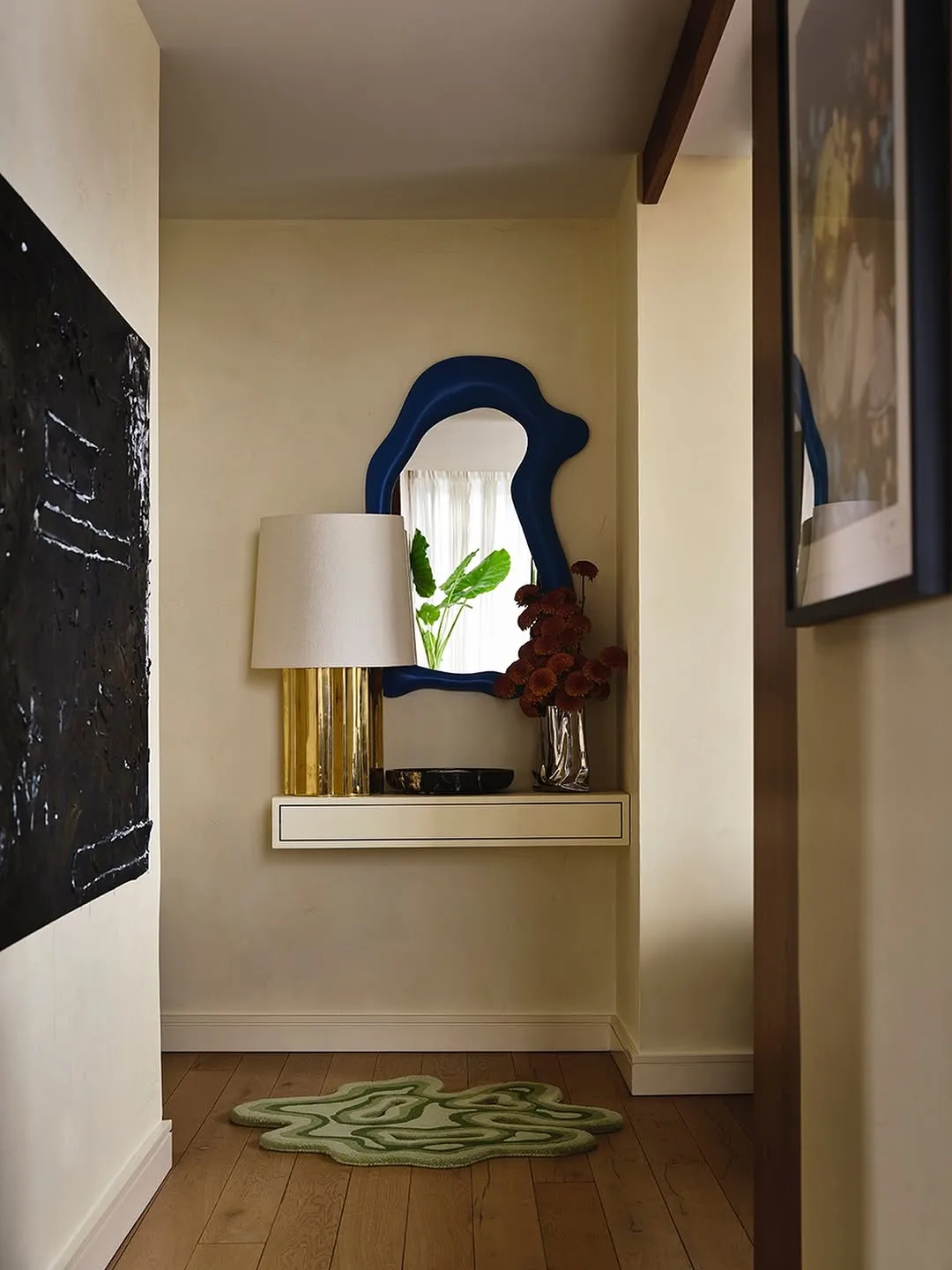
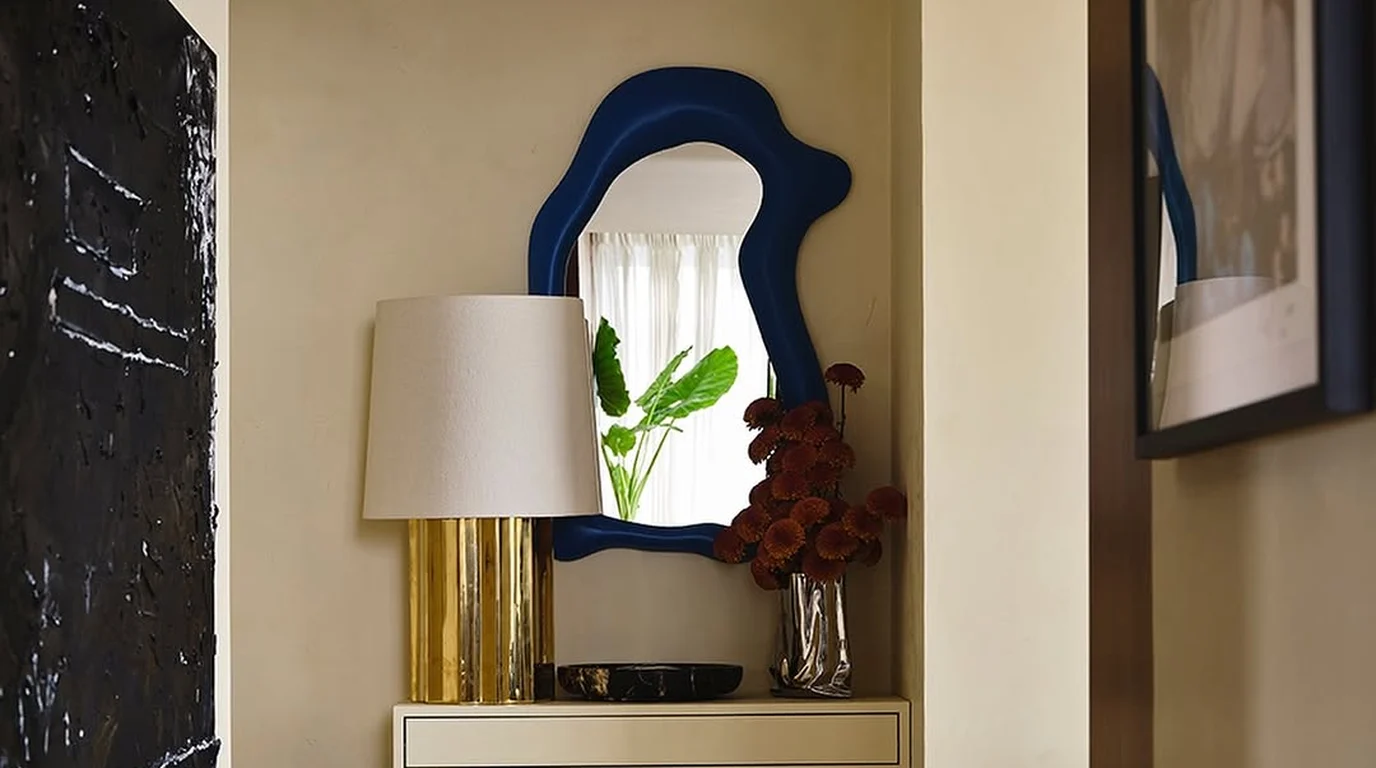
When floor space is precious, take the console off the floor. A wall-mounted console or floating shelf, just 20 to 25 cm deep, gives you a landing spot for keys and mail without eating the walkway. Hang the biggest mirror the wall can take above it — 60 to 80 cm wide is a sweet spot — and the entry instantly feels twice as wide, because the mirror bounces light and doubles everything it reflects. Keep the surface nearly empty: one lamp or one bowl is enough. A floating setup like this costs $60 to $120 all in, and it works even in an entry that is only as wide as the door.
2. Add a Bench With Hooks Above It
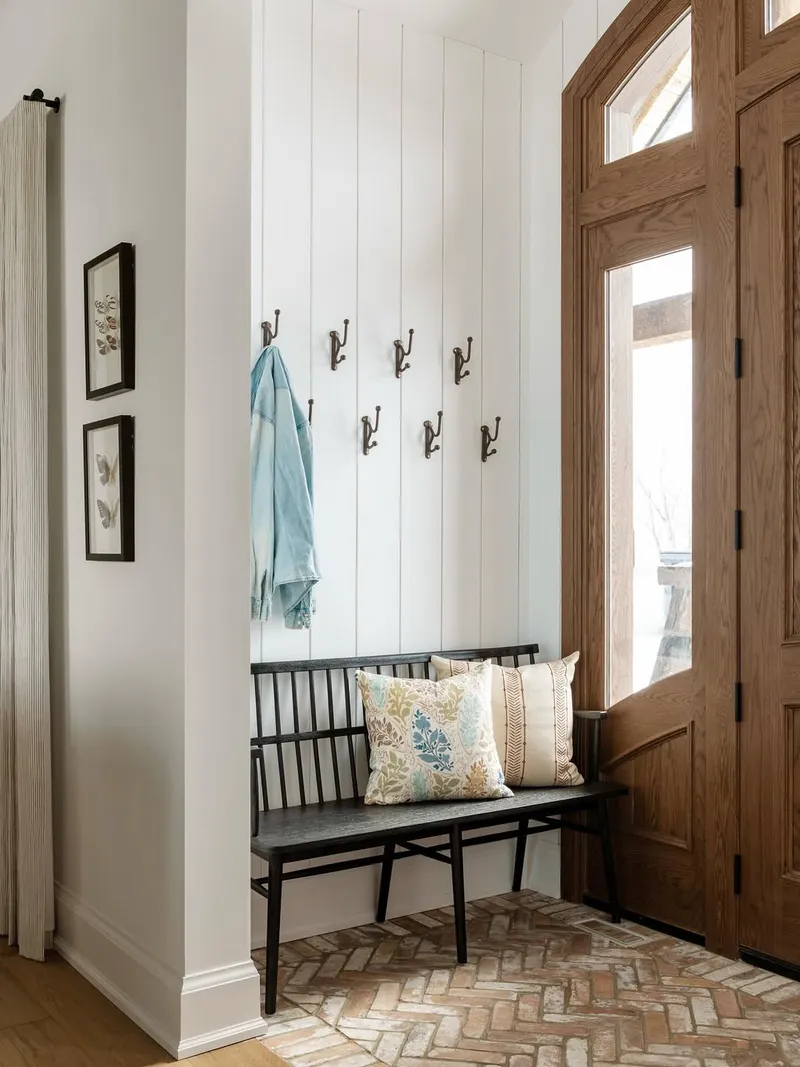
The bench-and-hooks pair is the hardest-working combo in any small entry. A bench of 90 to 120 cm gives you a seat for putting on shoes, and a row of four to six hooks above it, mounted at about 170 cm, swallows coats, hats and bags. Leave 40 cm of clear wall between the bench top and the hooks so long coats hang free. Shoes slide under the bench, and a cushion on top makes it look finished, not just useful. Benches with a shelf underneath cost $70 to $150 and hold far more than they show.
3. Turn One Wall Into a Drop Zone
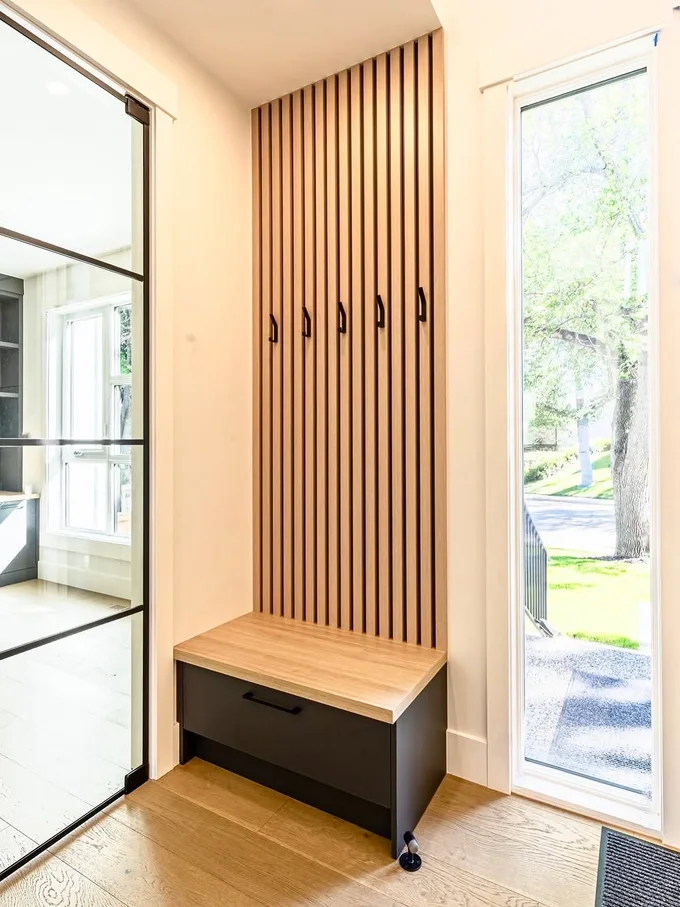
If your entry is a single blank wall, make that wall do everything. A slat panel, a peg rail, or a simple board with hooks creates a drop zone: coats on hooks, a bench below, baskets for the small stuff. Keep the zone tight — about 120 to 150 cm wide — so the rest of the home stays calm. Use the same finish across bench, rail and baskets, and the whole thing reads as one built-in piece instead of three random buys. This is the setup busy families swear by, because everything has a place within one step of the door.
If your entry opens straight into the living room, the zoning ideas in Modern Apartment Decor Ideas: Stylish Ways to Create a Beautiful Home help the two spaces feel separate but still connected.
4. Hang a Basket for Mail and Keys
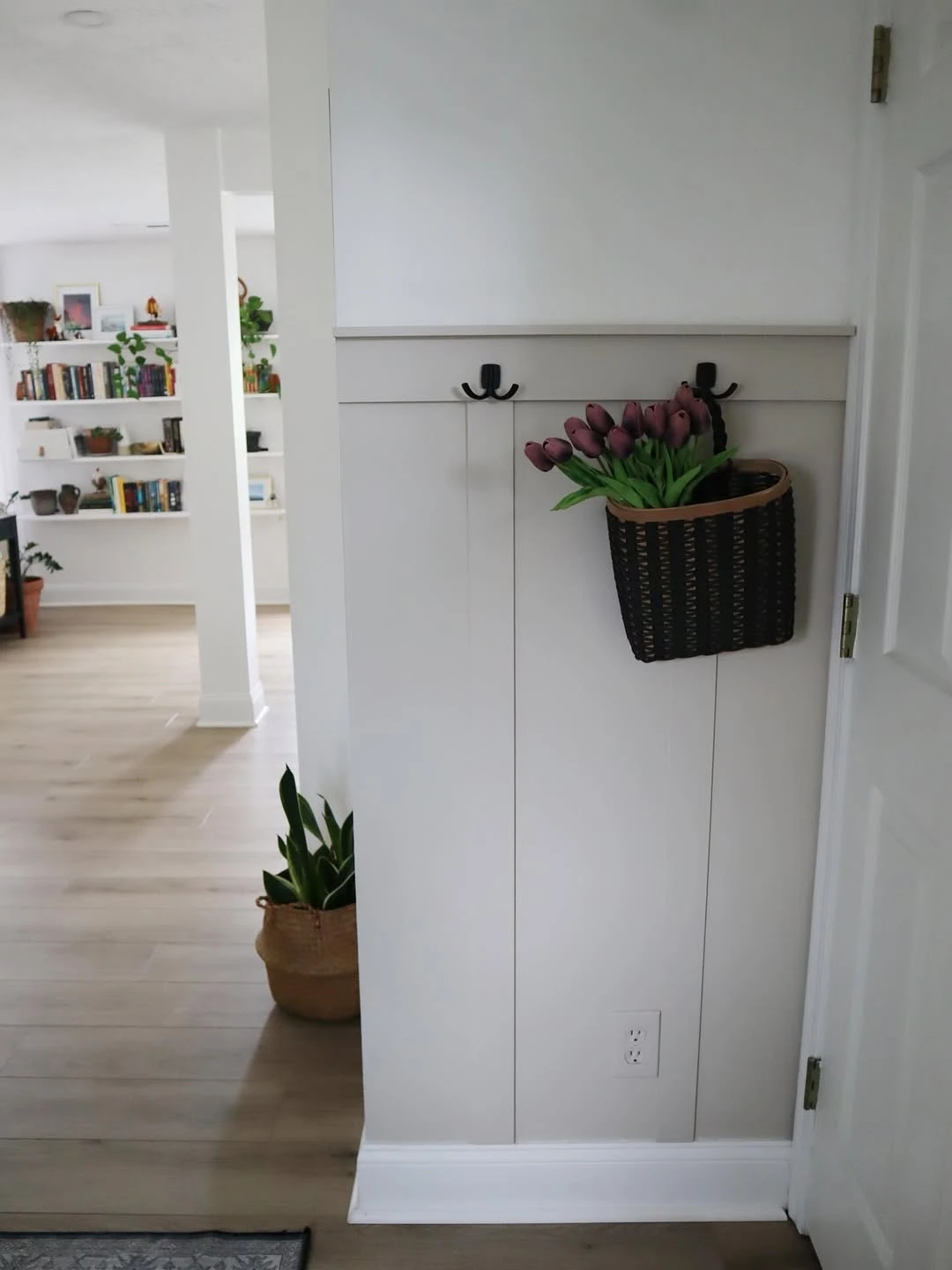
The smallest entry upgrade on this list costs about $10: one hanging basket on a hook by the door. Mail, keys, sunglasses and dog leads all land in one spot instead of spreading across the kitchen counter. Choose a basket about 25 to 30 cm wide with a flat back so it sits flush to the wall. Hang it at hand height, around 140 cm, so dropping things in becomes a habit you do without thinking. Add a second small basket below it in busy homes — one for adults, one for kids.
5. Let an Arched Mirror Soften the Corners
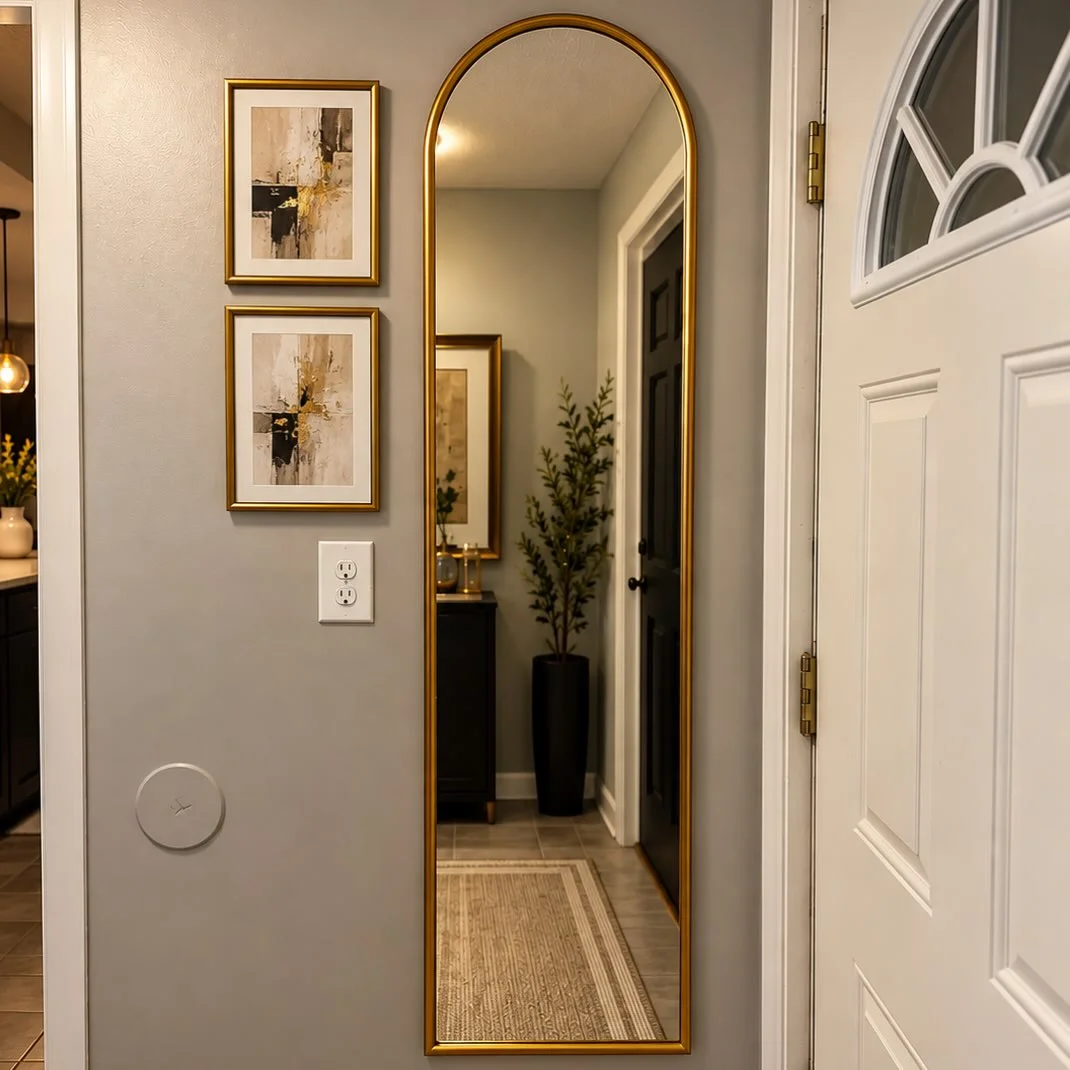
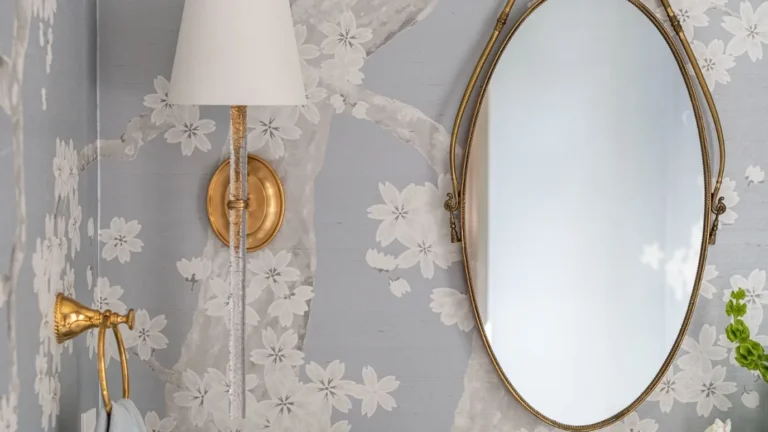
Small entries are full of hard corners: door frames, sharp walls, straight floors. An arched mirror breaks all those straight lines at once and makes the space feel gentler and taller. A mirror 50 to 60 cm wide and 90 to 110 cm tall suits most entries, and a thin gold or wood frame warms up plain walls. Hang it so its center sits at eye level, about 150 cm from the floor.
For more mirror-first inspiration, the entries in Entryway Decor Ideas Modern: Create a Stylish and Welcoming Entrance show how much one good mirror can carry a whole wall.
6. Style the Console in Threes
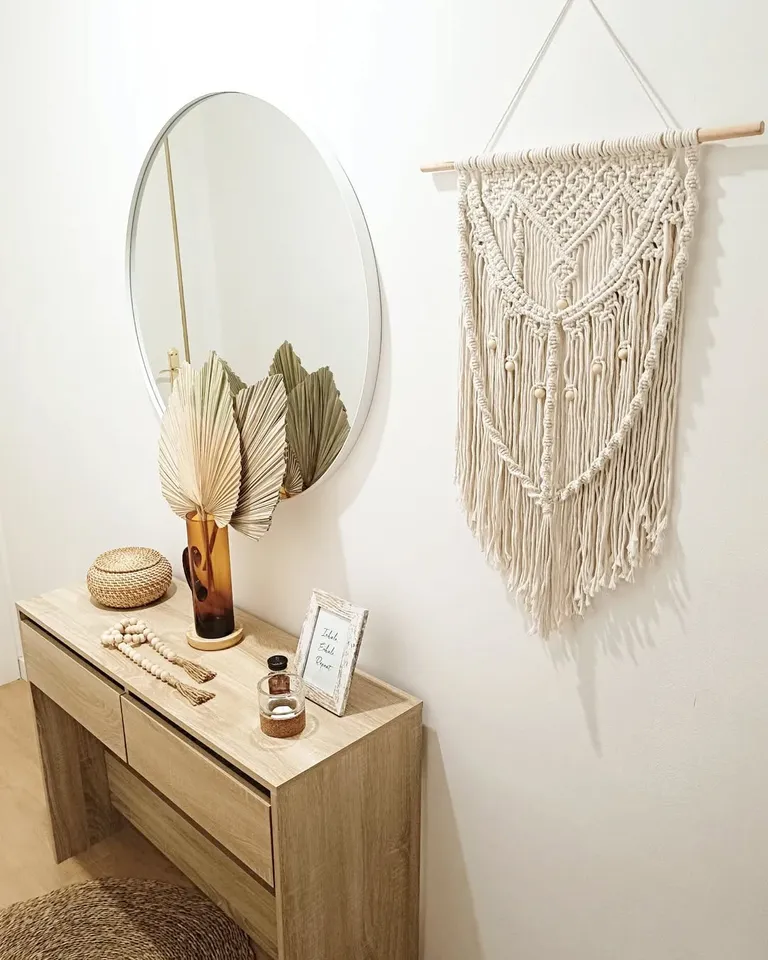
A styled console looks expensive; a cluttered one looks like a shelf. The rule designers use is groups of three: something tall (a vase with branches), something medium (a framed photo or small plant), and something low (a stack of two books or a tray). Keep one third of the surface empty so the group can breathe. On a small console of 80 to 100 cm, that is all you need. Swap the branches with the seasons — pussy willow in spring, eucalyptus in winter — and the same three pieces feel new four times a year for a few dollars.
7. Tuck Two Ottomans Under the Console
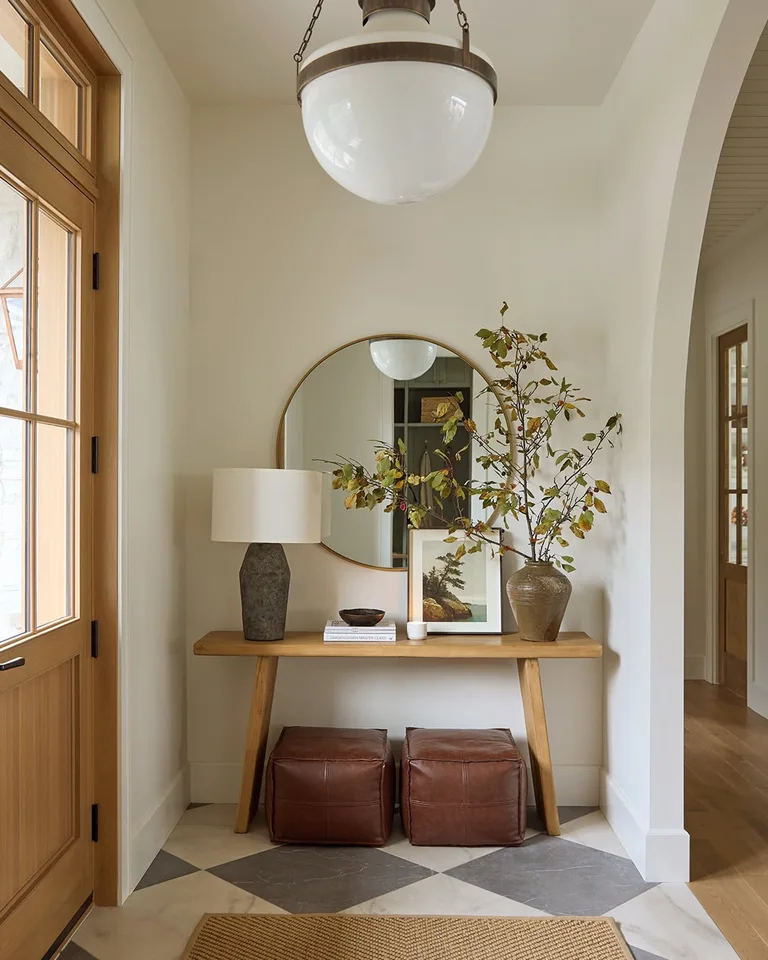
The space under a console table is free storage most people waste. Two small ottomans or cubes, about 40 cm each, slide underneath and come out as extra seats, footrests, or a place to sit while tying laces. Choose a fabric that can take scuffs — boucle, tweed or leather-look — in a color that matches your rug. A pair costs $50 to $90 and also gives guests somewhere to perch coats and bags during a party. When the entry needs to look extra tidy, everything disappears back under the table in seconds.
8. Use a Pair of Lamps for a Warm Welcome
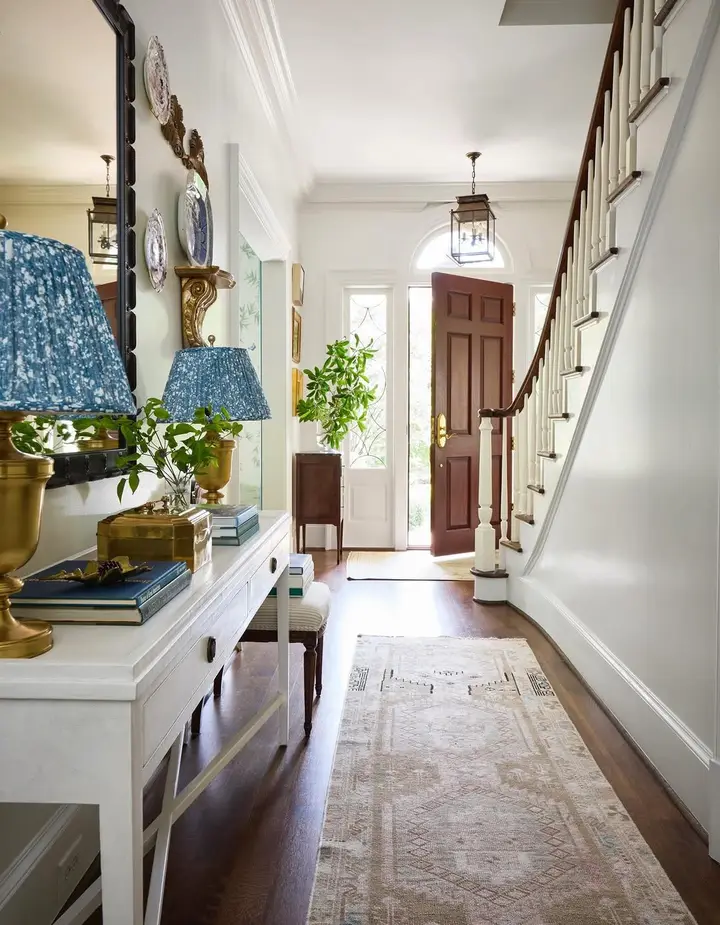
One lamp is light; two lamps are a welcome. A matching pair on a console frames the mirror between them and makes the entry glow like a hotel lobby at night. Keep lamps slim — bases under 15 cm wide — and shades around 20 to 25 cm, so they do not crowd a narrow table. Warm bulbs, 2700K, are non-negotiable here; cool white light makes small entries feel like offices. If your console has no socket nearby, battery lamps with timers cost about $20 each and switch themselves on at dusk.
9. Go Big With One Vase of Flowers
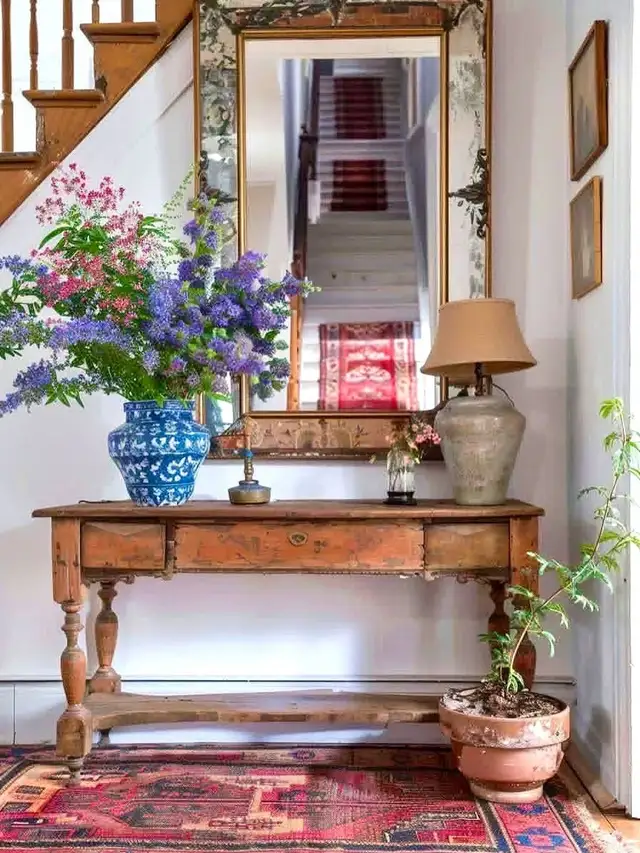
In a small entry, one oversized vase beats five small ornaments. A vase 30 to 40 cm tall with a generous bunch of flowers or branches gives the whole space a focal point and a little life. Faux stems are fine here — good ones cost $15 to $25 and last for years with a quick dust. Keep the rest of the surface simple so the flowers stay the star. If fresh flowers are your thing, buy one big bunch a week and split it: most in the entry, a few stems in the bathroom.
10. Lay a Patterned Runner to Lead the Eye
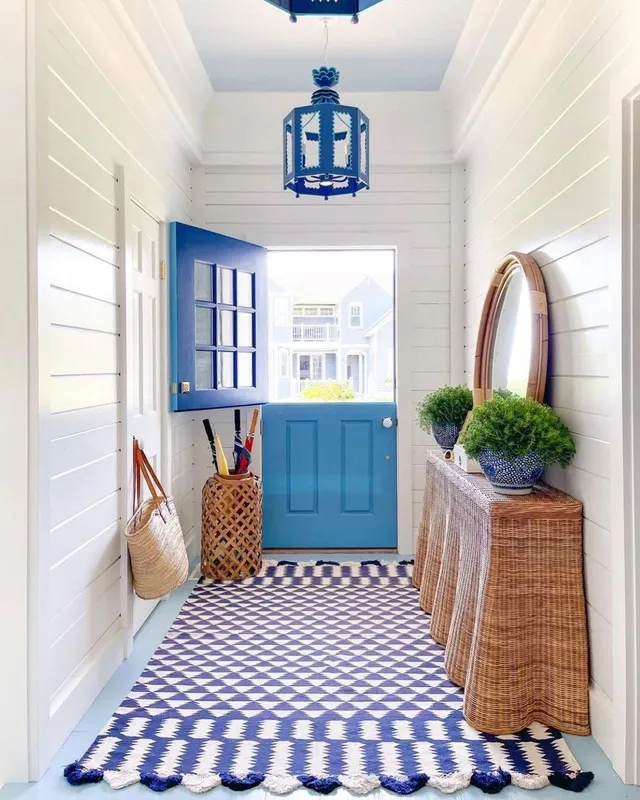
A runner rug is the fastest way to make a small entry feel planned. It leads the eye into the home, protects the floor, and swallows the sound of shoes on hard floors. Standard runners are 60 to 80 cm wide and 180 to 240 cm long; measure your hall and leave about 10 cm of floor showing on each side. A pattern hides dirt between washes — choose washable, low-pile runners, $40 to $80, and put a non-slip pad under them.
The zoning trick works in bigger small-space plans too, like the layouts in Small Space Decorating Ideas: Simple Ways to Make a Small Home Feel Bigger.
11. Make the Bench Do Three Jobs
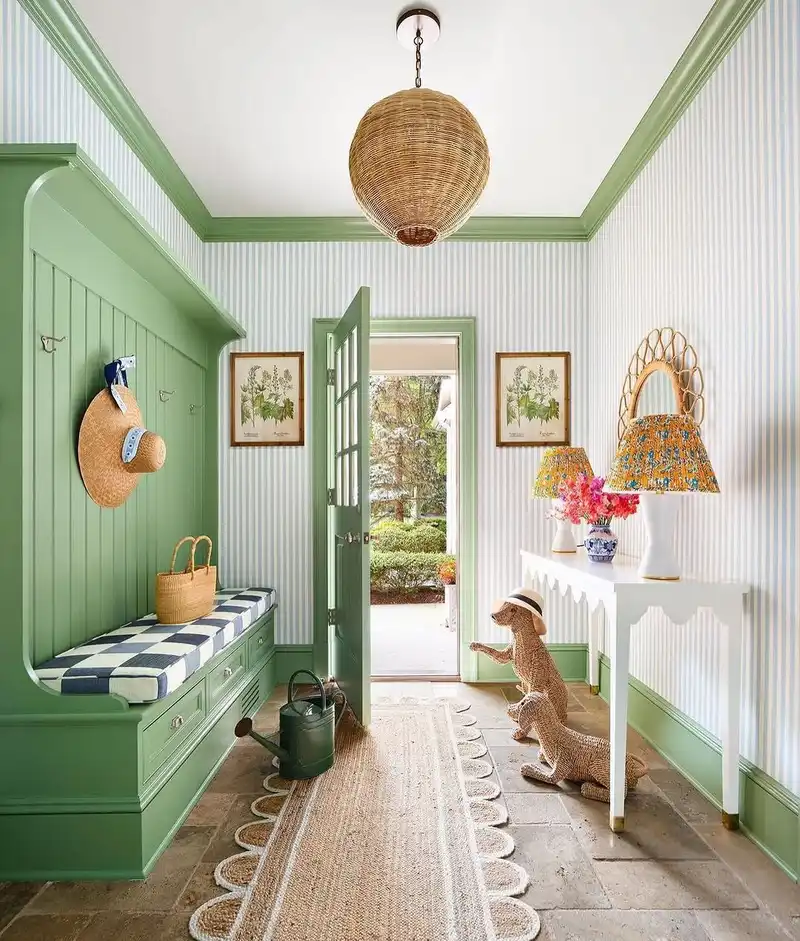
A storage bench is a seat, a shoe cupboard and a landing spot in one piece of furniture. Look for a bench with cubbies or a lift-up lid, about 100 to 120 cm long and 40 cm deep, and it will hold six to eight pairs of shoes out of sight. A washable cushion on top, two pillows, and suddenly the hardest-working corner of the house also looks like the coziest. This is the piece to spend a little more on — $120 to $200 — because it gets used twenty times a day.
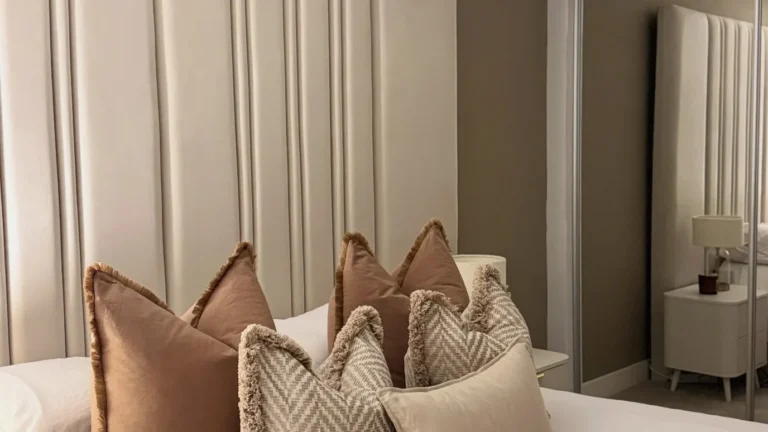
12. Add Pillows and a Throw to Soften the Bench
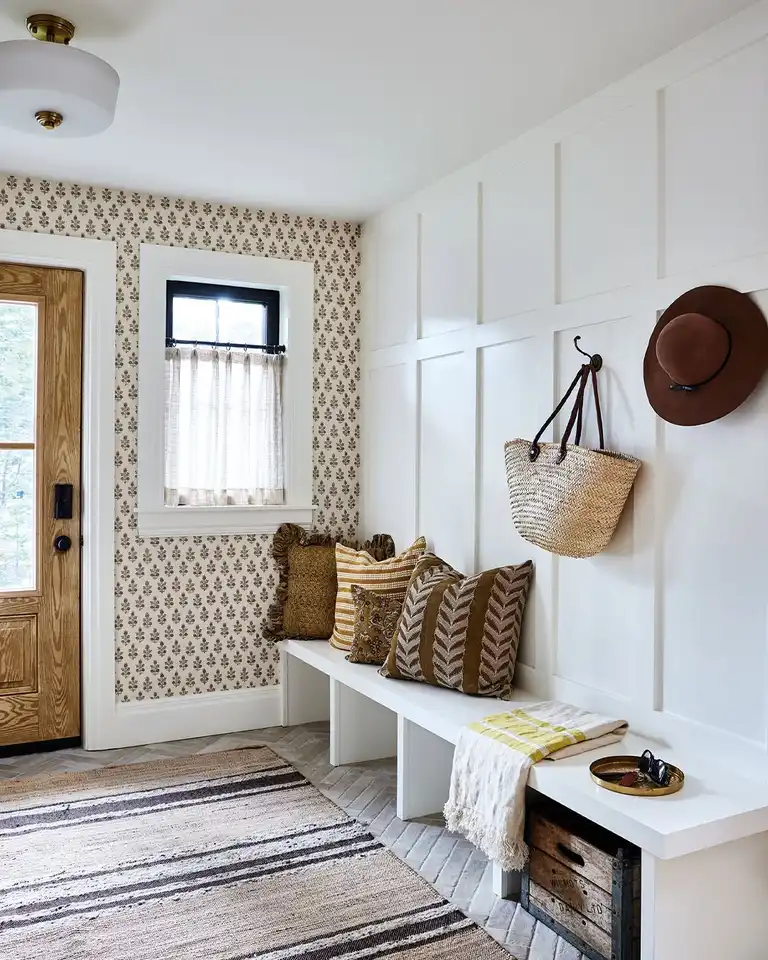
A bare bench reads “mudroom”; a dressed bench reads “welcome”. Two pillows, about 45 cm square, and a folded throw turn a plain bench into the prettiest spot by the door. Pick pillow covers you can wash, in colors pulled from your runner rug so the corner looks pulled together. Keep one hook free beside the bench for the throw when guests arrive. This five-minute styling step costs $20 to $35 and photographs beautifully — it is the difference between an entry that works and an entry that charms.
13. Use a Hall Tree in a Dead Corner
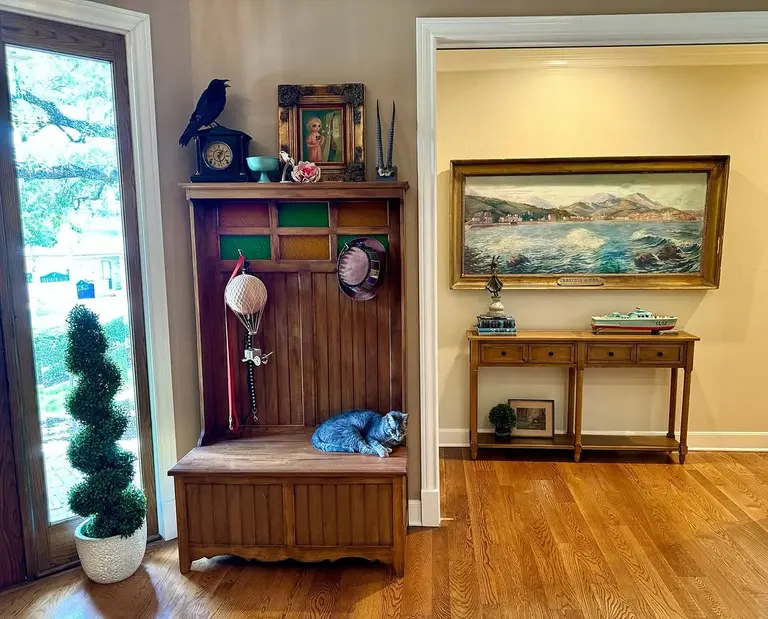
Every home has one awkward corner near the door that fits nothing. A hall tree — the tall unit with a bench, hooks and sometimes a mirror — was invented for exactly that corner. Slim models are only 60 to 80 cm wide and use vertical space that would otherwise go to waste. Hats go on top hooks, coats in the middle, shoes on the bottom shelf. Vintage-style hall trees turn up in thrift stores for $40 to $100; a coat of paint makes one look custom-built for your entry.
14. Turn Your Hats Into Wall Decor
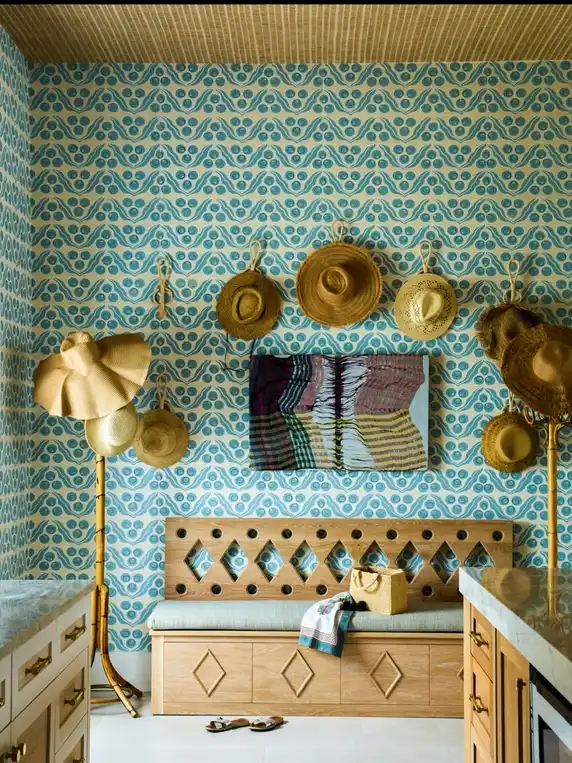
If you own more hats than hooks, make them the decoration. A row of hats on simple pegs fills a wall with texture and color, costs nothing beyond the pegs (about $2 each), and keeps every hat in reach and in shape. Space pegs 25 to 30 cm apart at staggered heights so the hats overlap slightly, like a gallery wall. This works with straw hats in summer and felt hats in winter — the wall changes with your wardrobe. It is also the rare decor idea that removes clutter instead of adding it.
15. Hang One Large Painting Instead of Many Small Ones
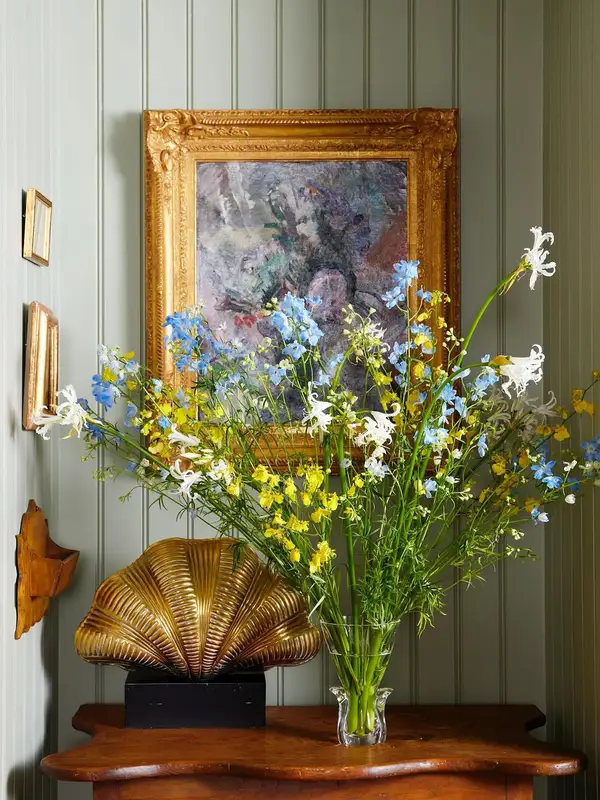
Small entries tempt people into lots of small frames, which can feel busy fast. One large painting — 70 x 100 cm or bigger — above the console looks calmer and more confident, and it gives the eye one place to rest. A gilt or wood frame warms a plain wall, and art with a little of your rug’s color in it ties the corner together. Lean the painting on the console instead of hanging it if you like to swap art often; just add a small non-slip strip under the frame.
16. Use a Chest of Drawers as Your Console
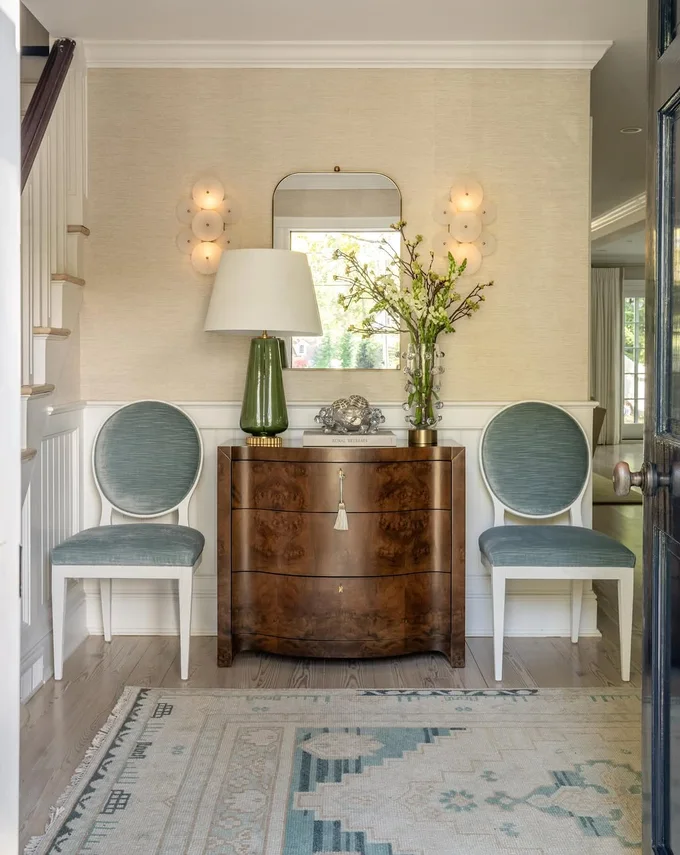
A narrow chest of drawers does everything a console does, plus it hides the mess. Three drawers swallow gloves, scarves, chargers, sunscreen and all the small things that usually pile up by the door. Look for a chest 80 to 110 cm wide and no more than 40 cm deep so the walkway stays clear. Style the top like a console — mirror, lamp, one vase — and nobody will guess it is your storage workhorse.
It is also a smart first-apartment buy, as the starter-home setups in First Home Decor Ideas: Stylish and Simple Ways to Make Your New Home Feel Special show in room after room.
17. Paint the Console a Bold Color
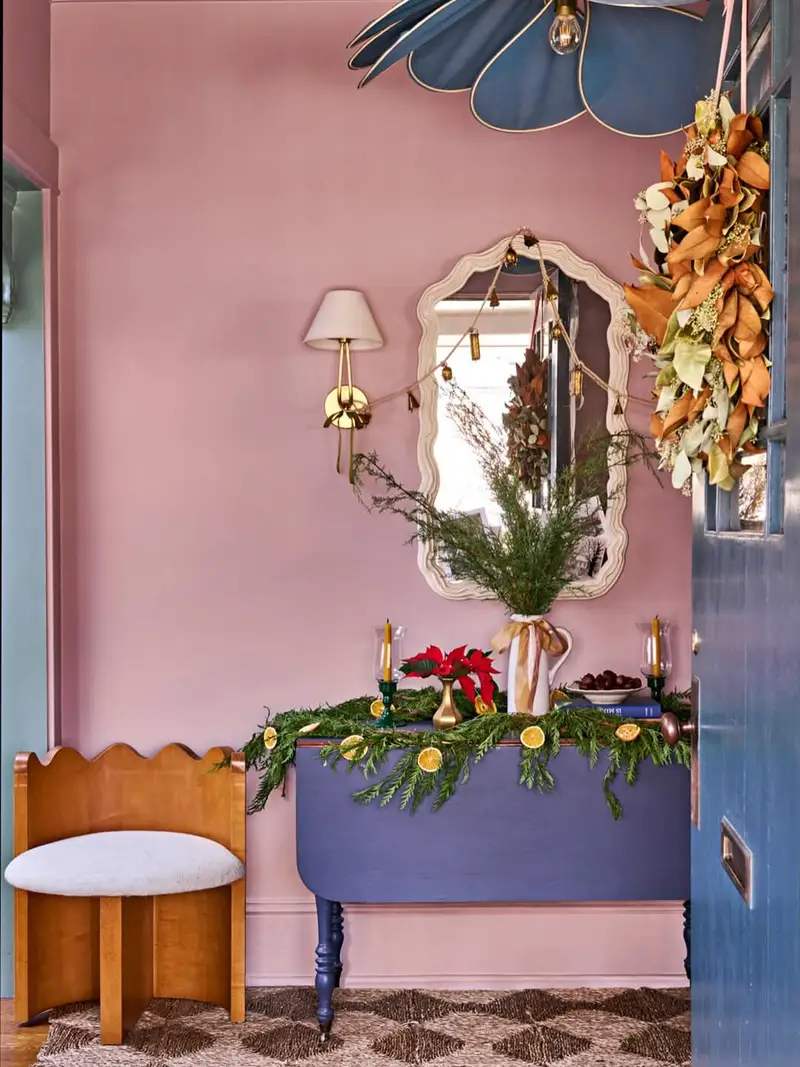
When the entry is tiny and the walls must stay neutral, let the furniture bring the color. One painted console or bench — deep blue, forest green, warm pink — becomes the whole personality of the space. A small tin of furniture paint costs $15 to $25 and covers one console with paint to spare. Keep everything around it quiet: white walls, a simple mirror, natural baskets. Bold furniture in a small entry looks brave in photos and, more importantly, makes you smile every time you come home.
18. Finish With Books and Something Green
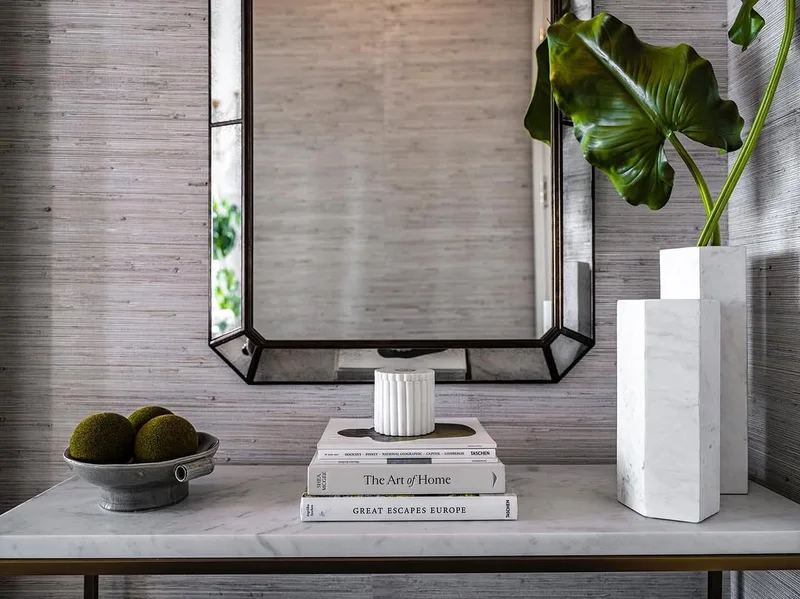
The last layer on any console is the one that makes it feel lived-in: a small stack of books and something green. Two or three hardcover books, stacked flat, lift a small vase or candle to the right height, and a trailing plant or a single big leaf softens all the hard edges. This is also the easiest layer to change — swap the book colors or the plant, and the entry feels restyled for free. Keep the stack low, no more than three books, so the surface still works for keys and mail.
19. Keep It Tiny: One Small Table by the Door
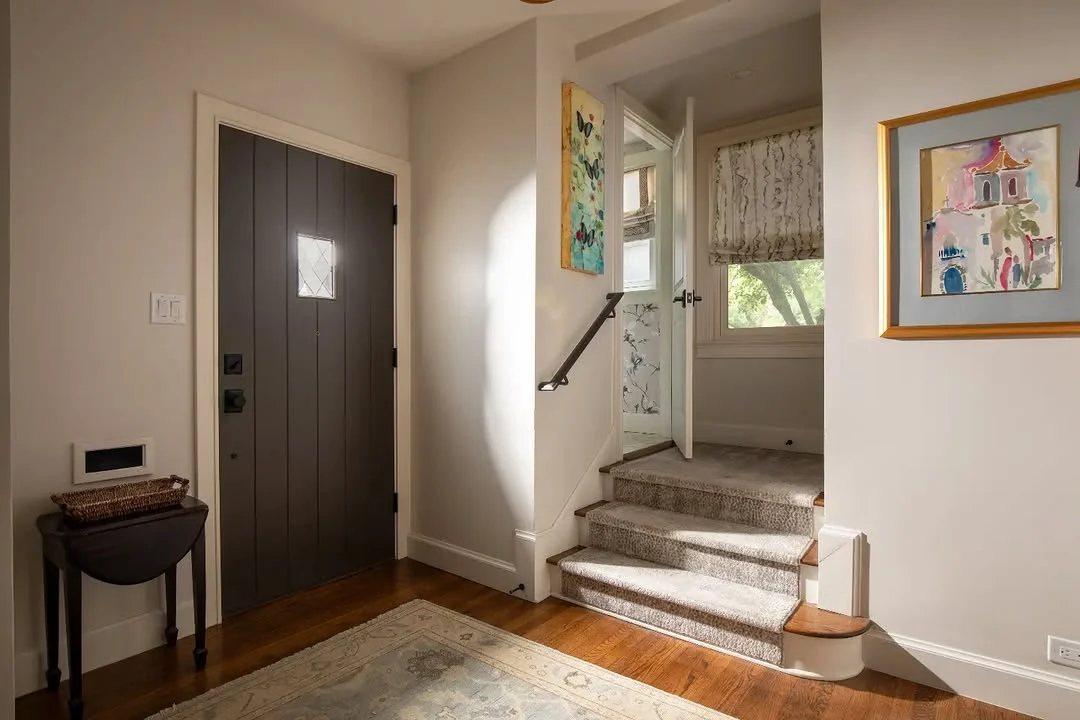
Some entries fit nothing more than a shoe’s width of furniture — and that is enough. One small side table, 40 to 50 cm wide, beside the door holds a bowl for keys, a small lamp or plant, and nothing else. Pair it with one piece of art or a mirror above, and the tiniest entry in the world still says “welcome home”. Wall-mount the table or choose a leggy design so the floor shows through and the space feels bigger.
The same less-but-better thinking runs through Small Apartment Decor: Stylish Ideas for a Beautiful Small Space — proof that small spaces reward simple, well-chosen pieces.
Quick Tips
- Measure your entry before buying anything — in small spaces, 5 cm too deep is the difference between fits and blocks.
- Keep a clear walkway of at least 90 cm from the door swing to the first piece of furniture.
- Put a small tray or bowl by the door for keys; one landing spot stops clutter from spreading.
- Choose washable everything in an entry — runner, cushion covers, pillows — because this zone gets the dirtiest.
- Add one light at sitting or standing eye level, not just overhead; faces look warmer and the welcome feels real.
Final Thoughts
A small entryway does not need a renovation — it needs a surface, a mirror, hooks, and a place for shoes, all sized honestly for the space you actually have. Start with the bench-and-hooks combo or a floating console, add the runner, then dress the top in threes. Within one weekend and a modest budget, the first three steps inside your door can become the hardest-working, prettiest corner of your home — and every guest will feel the welcome before they have even taken off their coat.