
51 Things to Declutter in January for a Fresh Start at Home

January is the one month when the whole house feels ready for a reset. The holiday decor comes down, the guests go home, and suddenly you can see every crowded shelf and stuffed drawer clearly. That is exactly why January is the best time to declutter — you are already putting things away, so sorting them at the same time costs almost no extra effort.
You do not need a full weekend or a rented dumpster. This list goes place by place through the home, 17 spots in total, with about 51 things that can leave the house today. Work through one spot at a time, keep a donation box and a trash bag beside you, and stop whenever you like — even five finished spots make the home feel lighter.
If you want your home to look its best while you sort, pin this post on Pinterest and save it for your January reset days, so you can tick off one spot at a time.
1. The Pantry: Expired Food and Stale Spices
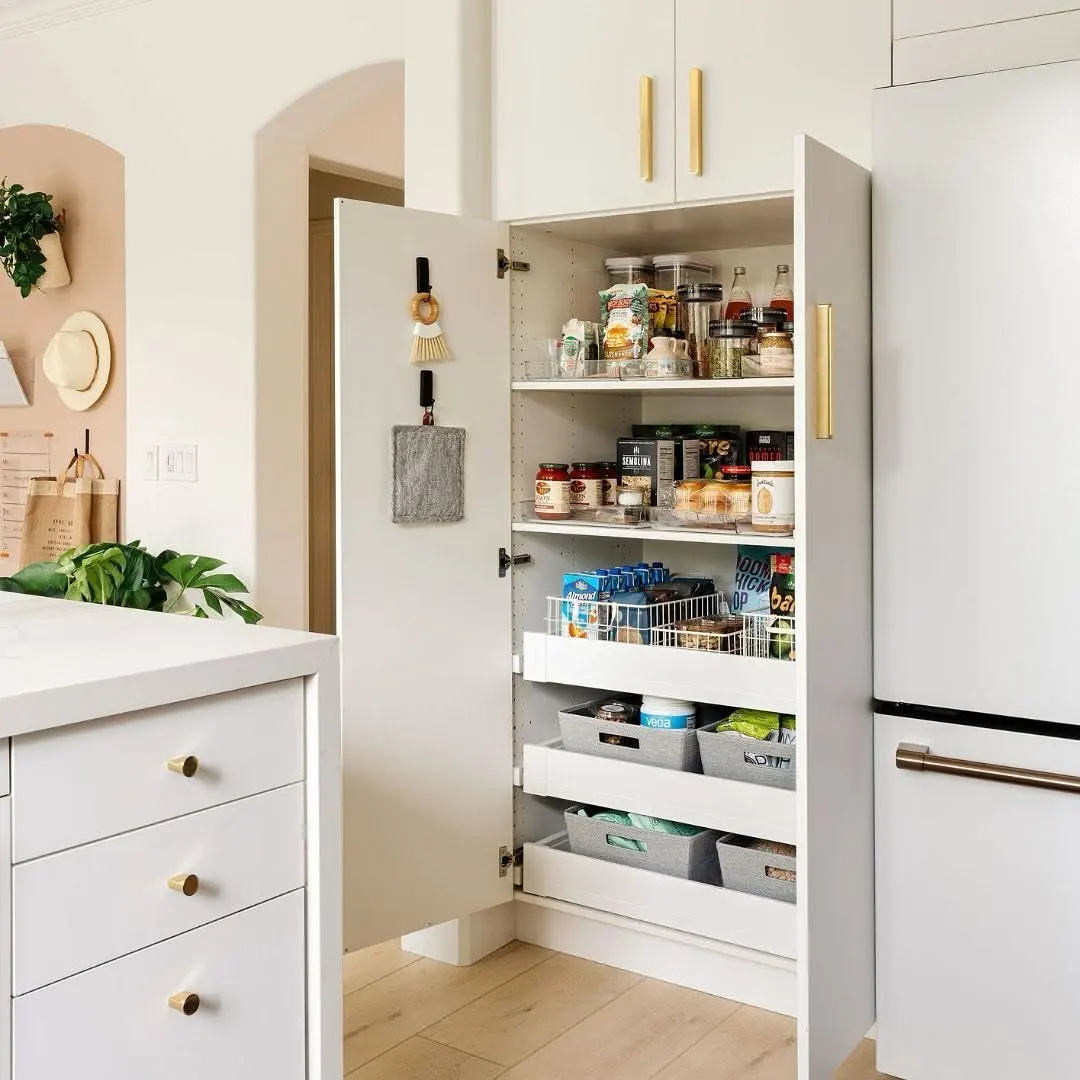
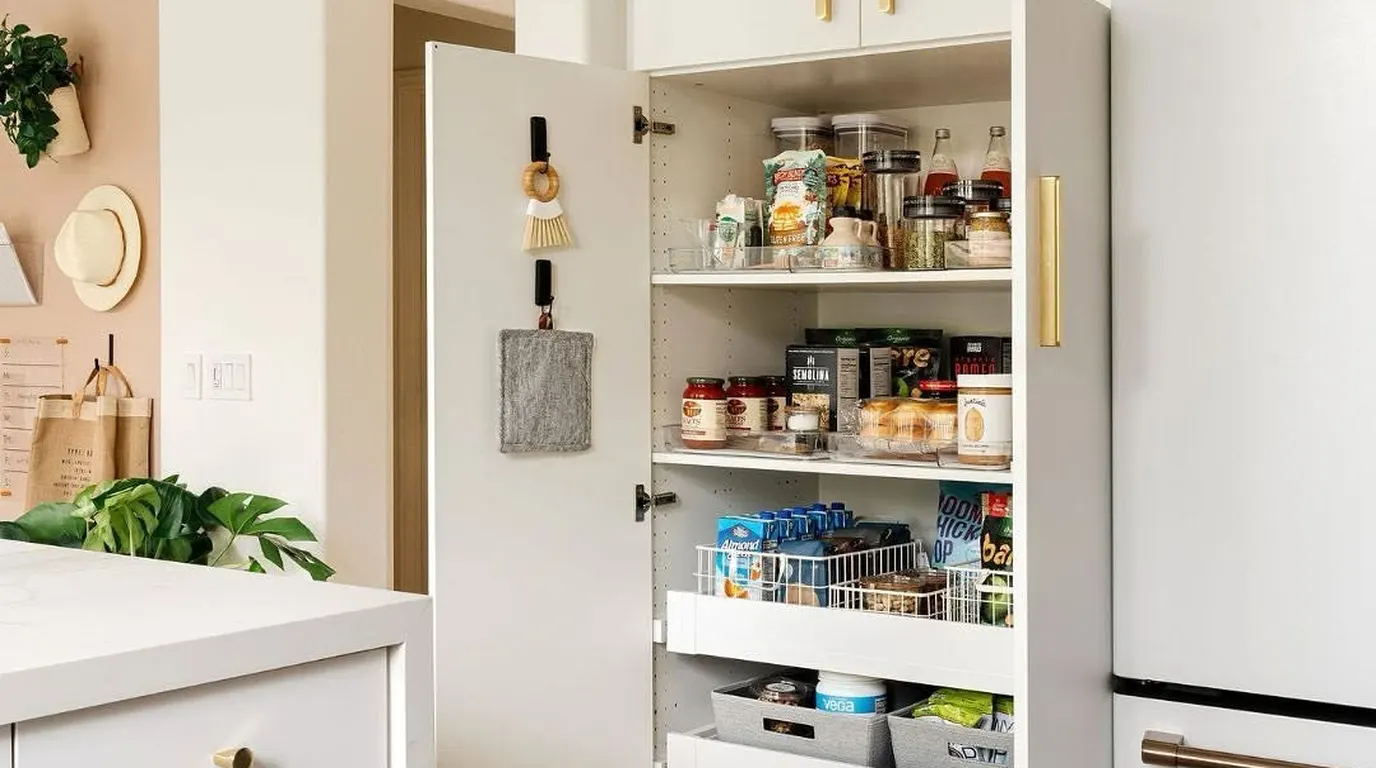
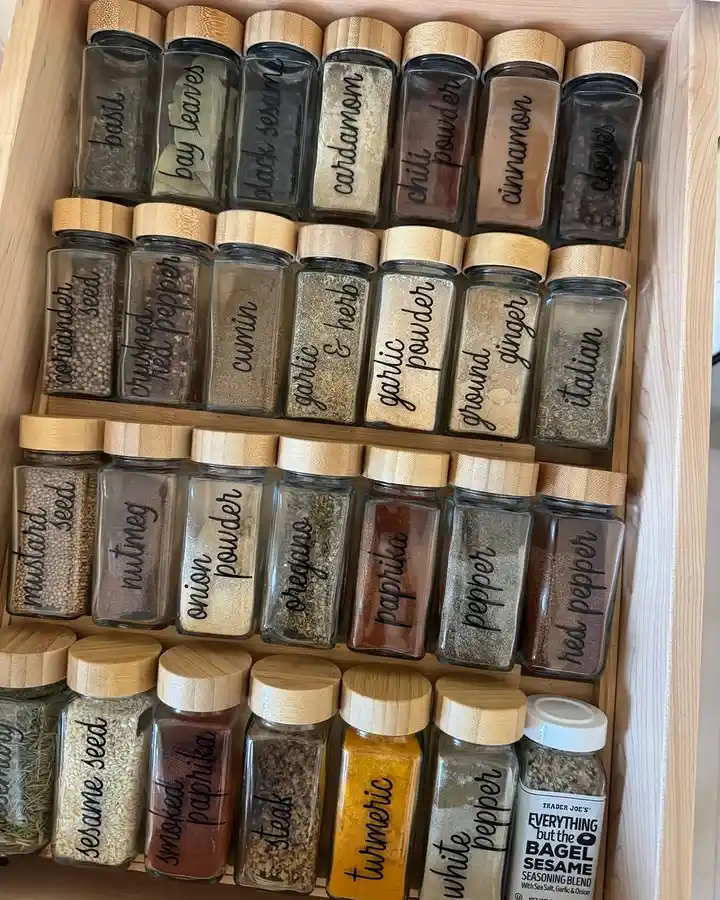
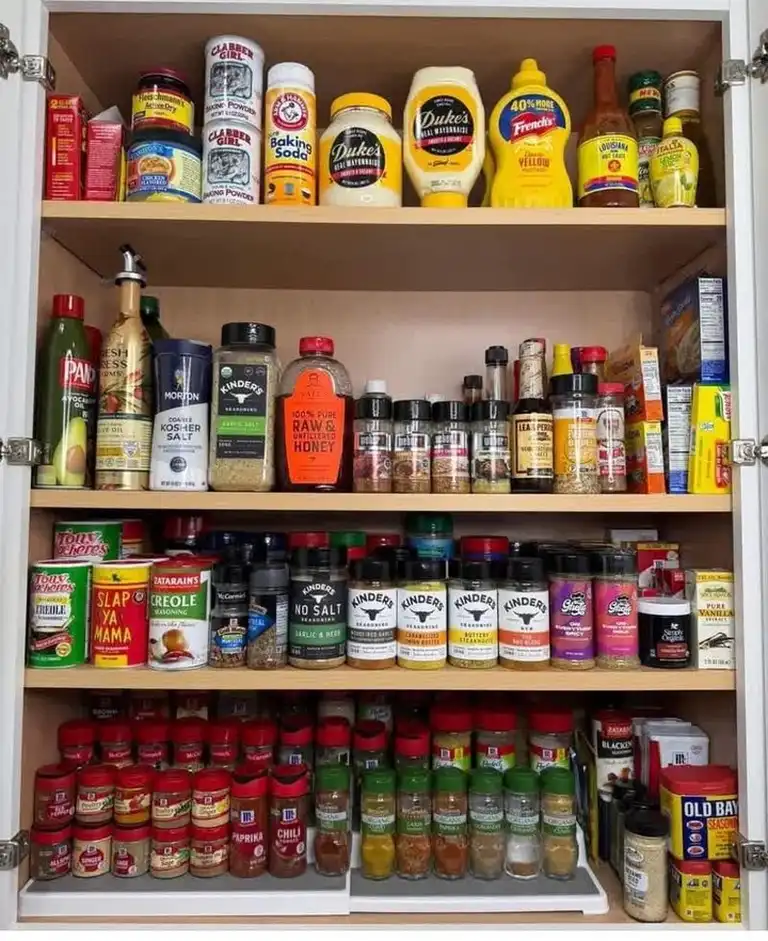
Start where the proof is easiest to see. Pull everything off one pantry shelf at a time and check the dates. Throw out expired cans, stale crackers, open boxes that went soft months ago, and spice jars so old they have lost their smell — most ground spices fade after 1 to 2 years. Count what is left before you shop again; most families find 10 to 15 items that should never have been stored at all. Wipe the shelf before anything goes back, and group what stays by type: breakfast things together, baking together, cans together.
2. The Fridge and Freezer: Forgotten Food
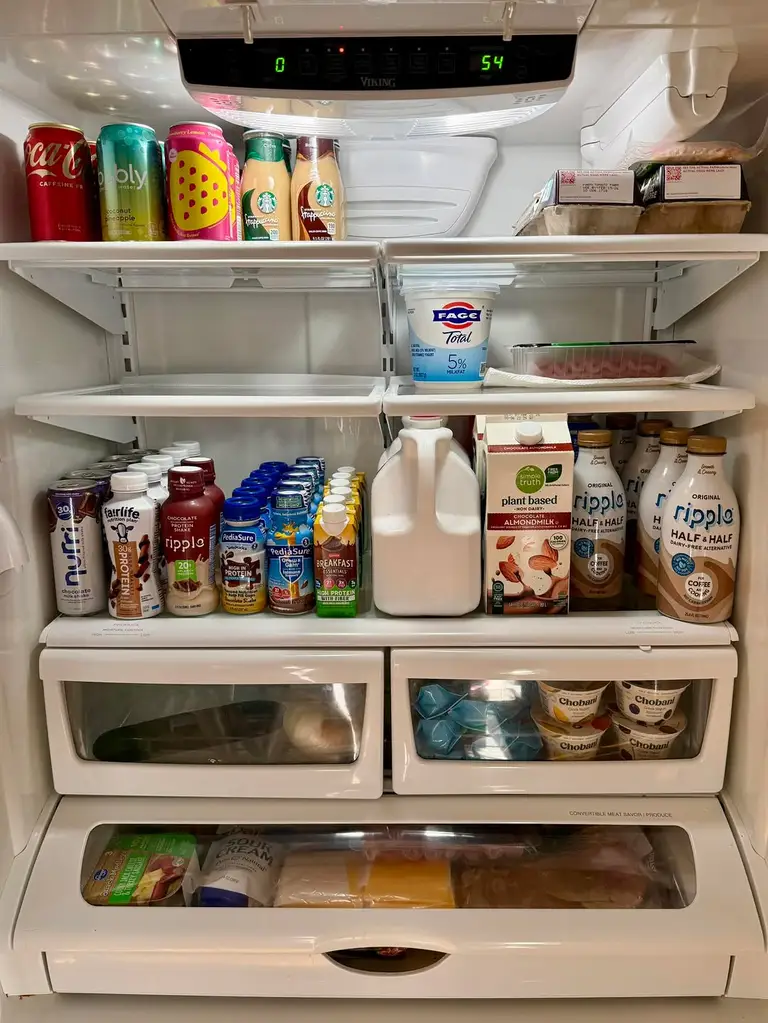
Take every item out of the fridge, shelf by shelf. Toss leftovers older than 3 to 4 days, sauces with a broken seal and a strange color, and the half lemon that dried out in the door. In the freezer, let go of packs with thick frost on them, mystery bags with no label, and anything that has been in there over 6 months. Write the date on new freezer packs with a marker from now on — it takes five seconds and saves this whole job next year.
3. Kitchen Counters: The Clutter Magnets
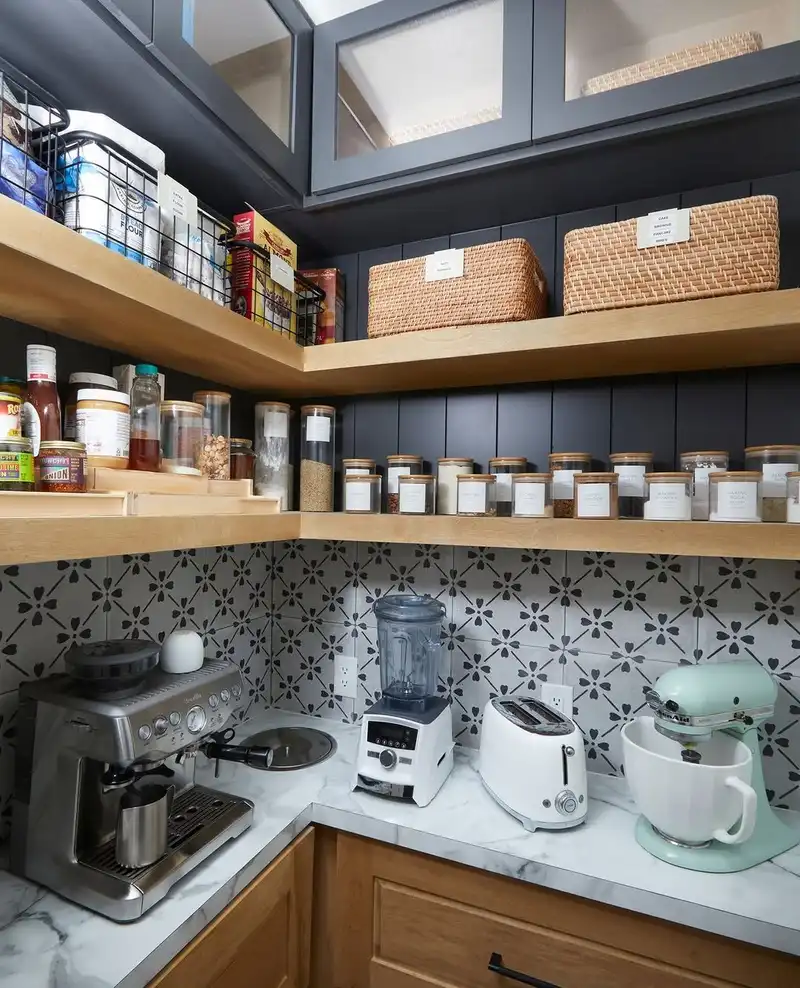
A kitchen feels messy mostly because of its counters. Look at every small appliance honestly: the bread maker used twice, the second toaster, the juicer from a health kick in March. If it has not run in 6 months, it can live in a donation box. Move the mail pile, keys, and school papers to one small tray or basket — a counter should hold only what cooks every day, like the kettle and the knife block. Clear counters wipe clean in seconds and make the whole kitchen look bigger.
If this clear-out makes you want to give the whole kitchen a fresh look, our Modern Kitchen Design: Stylish Ideas for a Beautiful and Functional Space is a good place to start.
4. The Junk Drawer: Dead Batteries and Old Chargers
Every home has one drawer that swallows small things. Empty yours fully onto the table. Test the pens and throw the dry ones. Let go of chargers for phones you no longer own, dead batteries, keys that fit no lock you know, takeout menus for places that closed, and rubber bands by the hundred. Keep back only the useful core: tape, scissors, a working pen, fresh batteries, and a small torch. Small drawer dividers or three little boxes stop it sliding back into chaos.
5. Mug Shelf and Cabinets: Chipped and Extra Pieces
Open the mug cabinet and count. Most homes keep 15 to 25 mugs for a family that uses six. Keep your favorites, plus a few for guests, and donate the rest — especially the free logo mugs nobody chooses. Do the same honest pass over glasses, plates, and bowls: chipped rims and cracked pieces go out, because chips hold bacteria and nobody enjoys eating off them. A cabinet you can see into is a cabinet that stays tidy.
6. The Entryway Drop Zone: Shoes, Bags and Broken Umbrellas
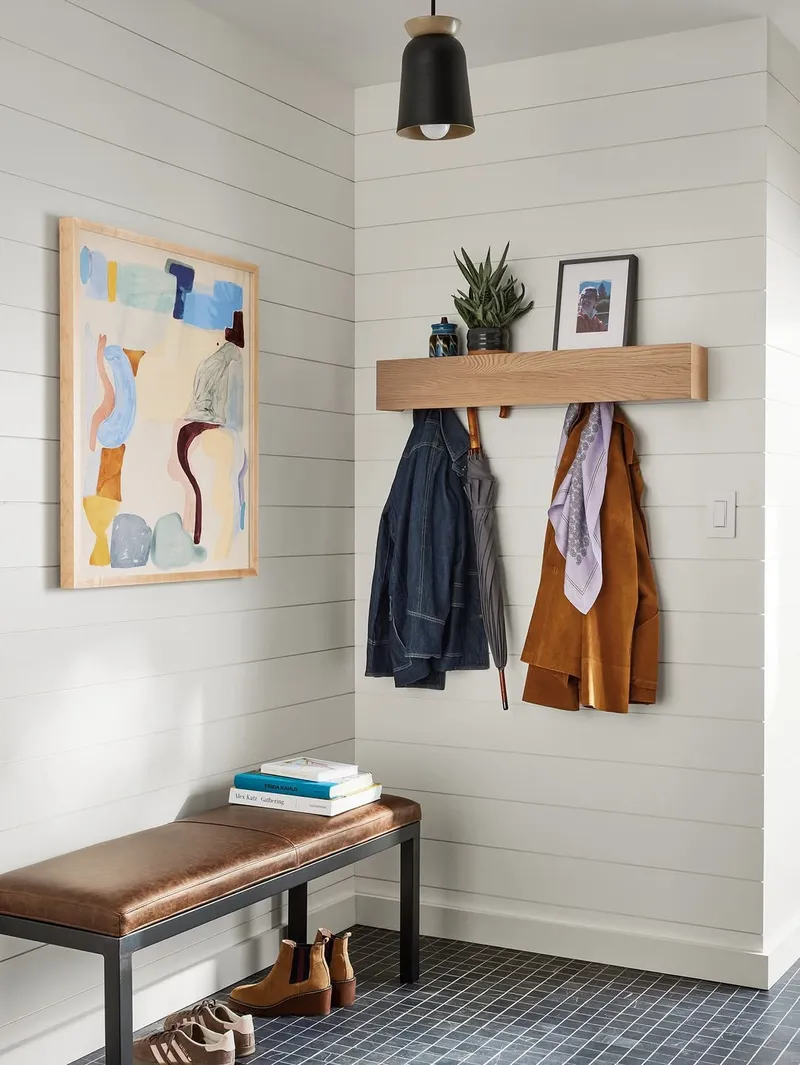
The entry takes the first hit of every day, so it collects the most. Gather every shoe by the door and match the pairs — single shoes, worn-out trainers, and shoes the kids outgrew go out. Keep only 2 pairs per person by the door and move the rest to closets. Check the umbrella stand for broken umbrellas, and count the tote bags: two per adult is plenty. One hook or basket per person keeps the floor clear from tomorrow onward.
7. The Coat Closet: Coats You Never Reach For
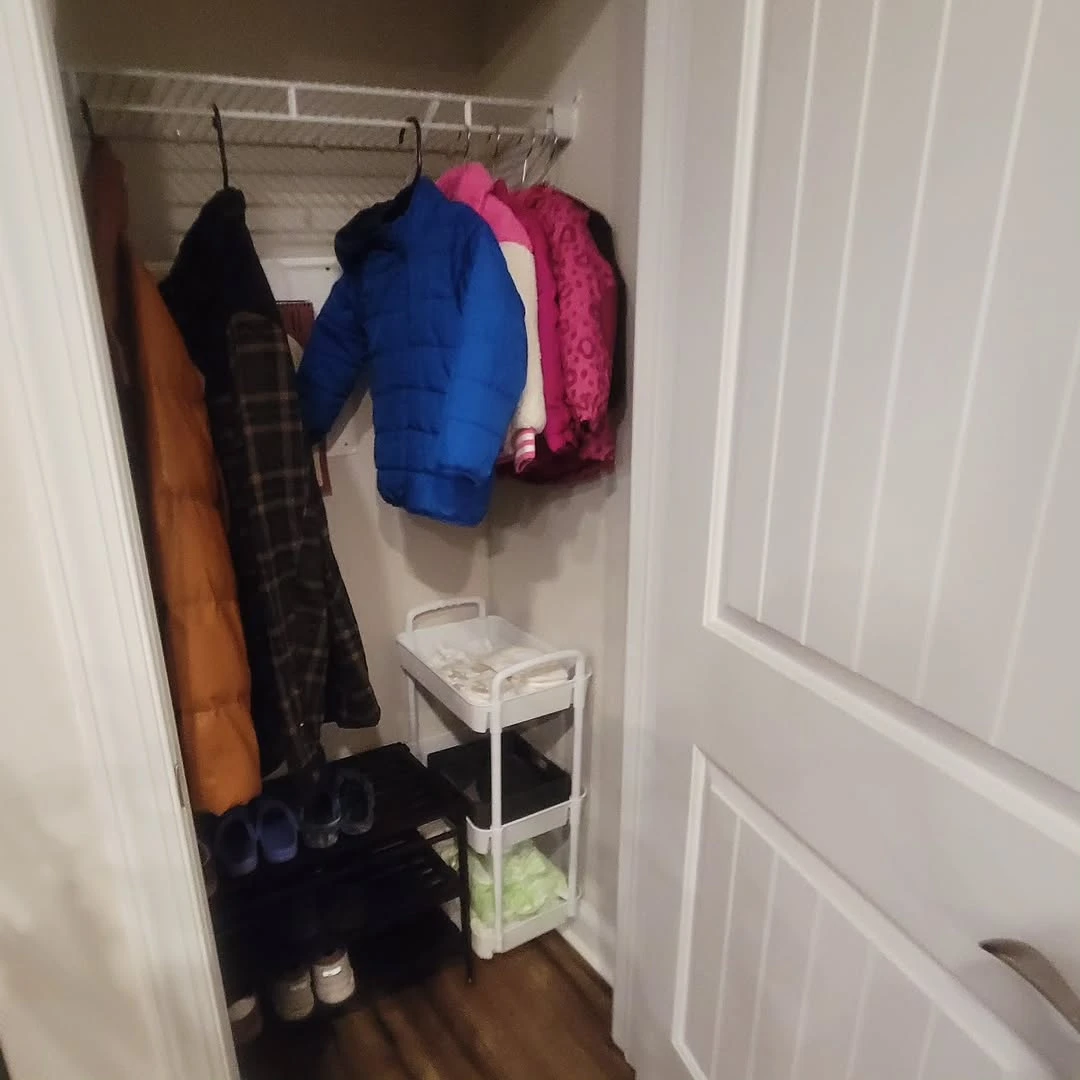
Take every coat out and hang them back one by one, asking one question: did I wear this last winter? Coats that stayed on the hanger all season can warm someone else this year. Do the same with scarves, hats, and gloves — single gloves with no partner, and scarves in colors you never wear, are just taking up rod space. Keep the closet at about 80 percent full so doors close easily and guests have somewhere to hang a coat too.
8. Your Wardrobe: Clothes Not Worn in a Year
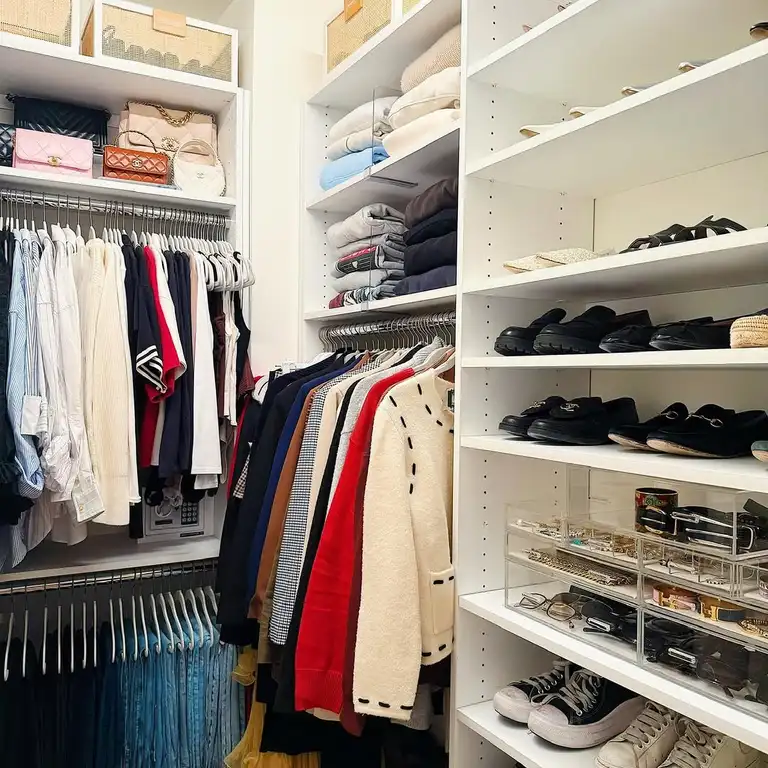
The famous one-year rule works because it is honest. Turn all your hangers the same way, and after you wear something, hang it back facing the other way — by spring you will see exactly what never moves. For January, start with the obvious: clothes that do not fit, things with stains or holes that you keep meaning to fix, and worn-out basics like stretched t-shirts and single socks. One donation bag per person is a fair goal; most people fill it in 20 minutes.
9. The Linen Closet: Worn Towels and Tired Sheets
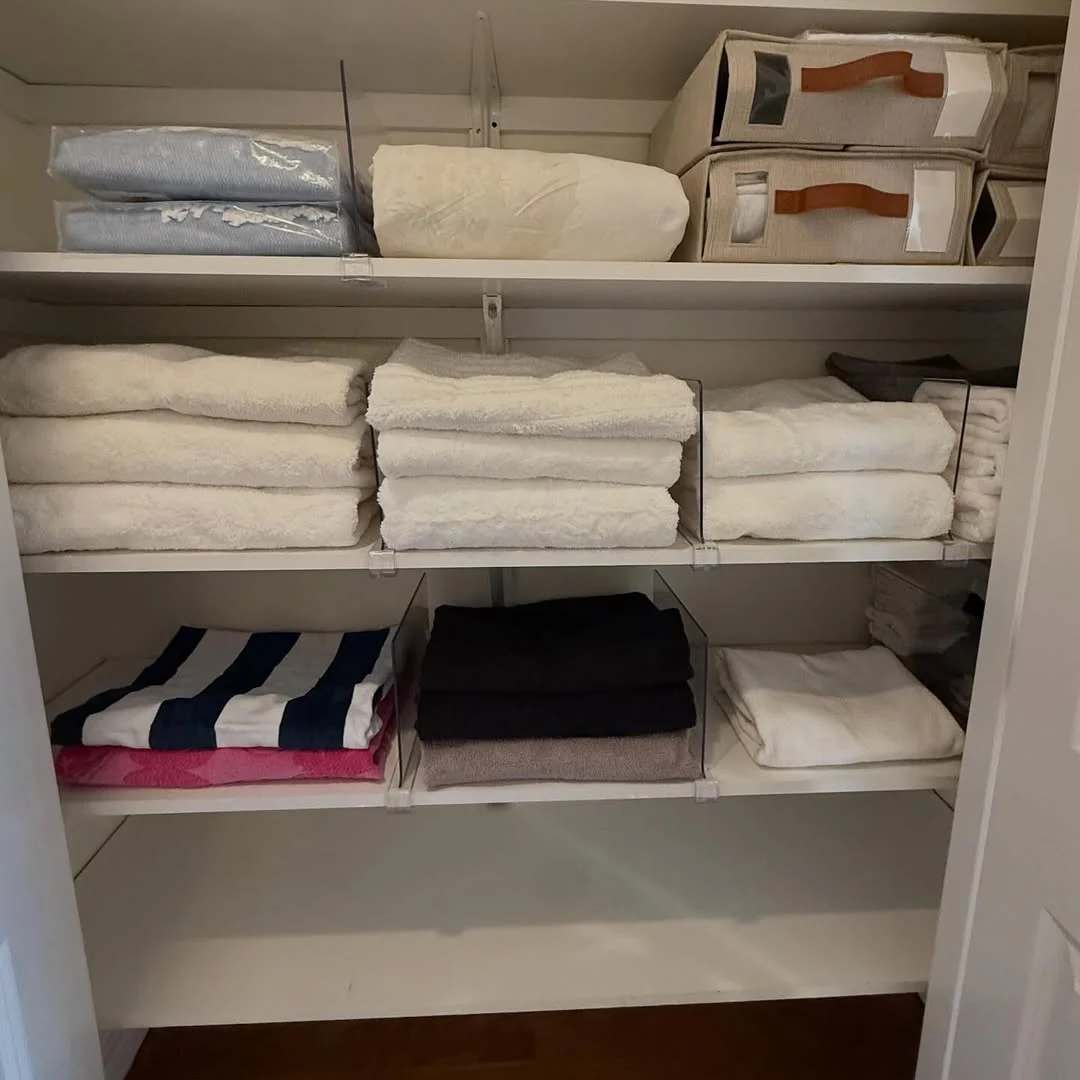
Hold each towel up to the light. Towels that are thin, scratchy, or smell musty even after washing have done their job — cut the worst ones into cleaning rags and let the rest go. Keep 2 good towels per person plus 2 for guests. Check sheet sets the same way: elastic gone, stains that never came out, and single pillowcases with no set. A linen closet stacked with only the sets you actually use folds itself, almost.
10. The Bathroom Cabinet: Expired Products
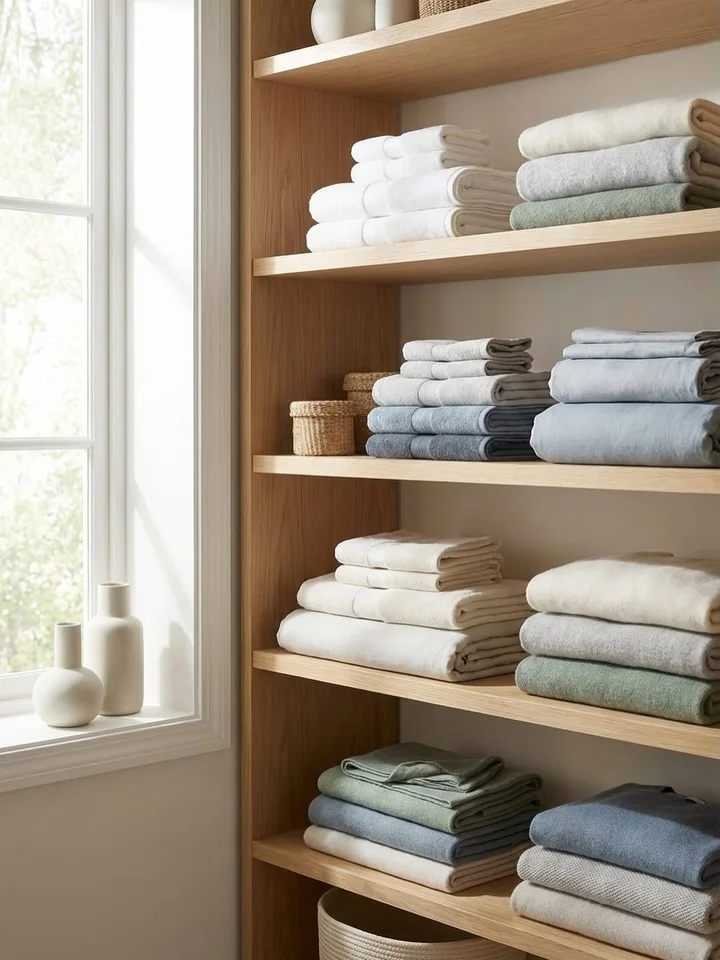
Bathroom cabinets quietly store money you already spent. Check dates on medicines, sunscreen, and vitamins — expired ones go to a pharmacy take-back where you can. Sunscreen loses strength after about 3 years, and mascara should be replaced every 3 months. Let go of hotel mini bottles you will never open, old toothbrushes kept “for cleaning” that you never use, and the five half-used lotions beside one good one. Keep daily things in one small tray so the cabinet stays easy to scan.
11. Nightstands and Dresser Tops: Small Surfaces, Big Piles
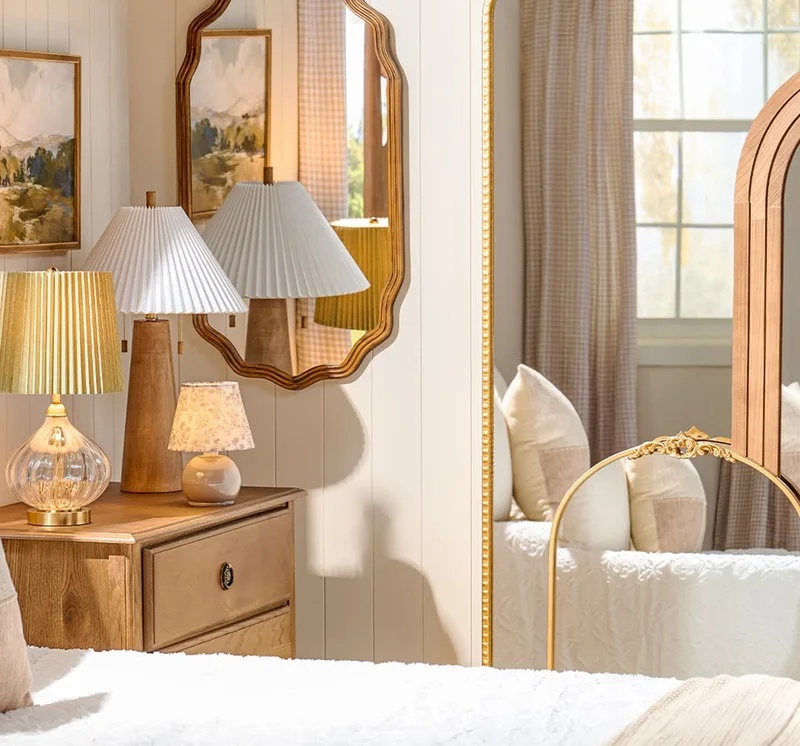
Small flat surfaces collect small forgotten things. Clear both nightstands completely: books you stopped reading at page 40, old receipts, empty water glasses, lip balms in every drawer, and chargers for old phones. A nightstand only needs a lamp, your current book, and water. Dresser tops get the same treatment — jewelry you never wear, perfume bottles down to the last cloudy drop, and loose coins go back where they belong or out the door.
12. Bookshelves: Books You Will Never Reread
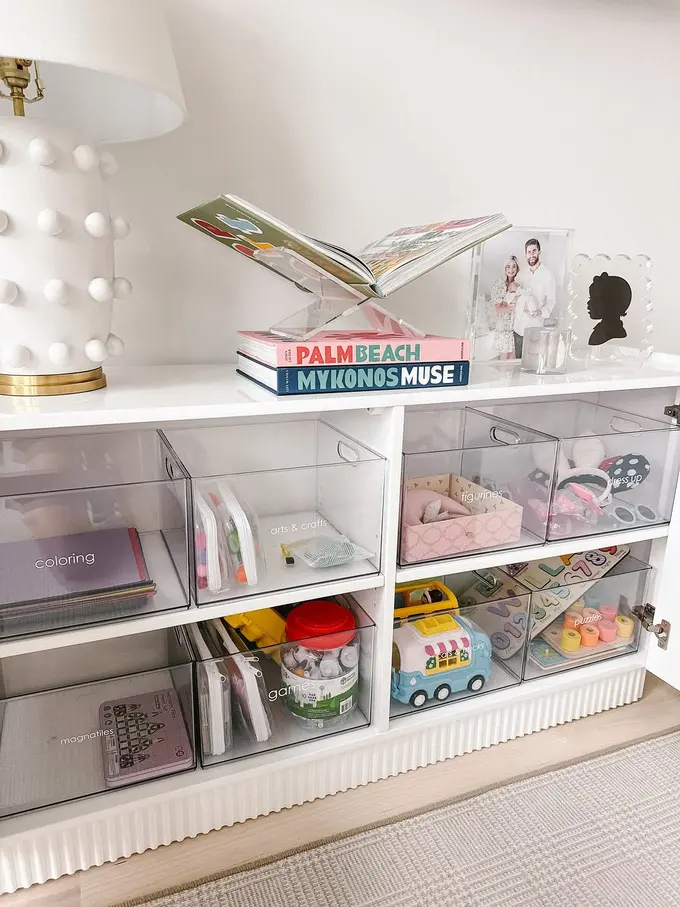
Be kind but honest with your books. The novel you finished and shrugged at, the textbook from a course years ago, the cookbook with one good recipe (take a photo of that page) — these can fill a donation box for the library. Old magazines and catalogs go straight to recycling; if you have not opened them in a month, you are not going to. Keep the books you love and the ones you truly reread, with a little empty space on each shelf so the room can breathe.
If your shelves need a restyle after the clear-out, our guide to 17 Bookshelf Decor Ideas That Make Any Room Look Better shows how to arrange what is left.
13. Holiday Decor Storage: Broken and Unused Pieces
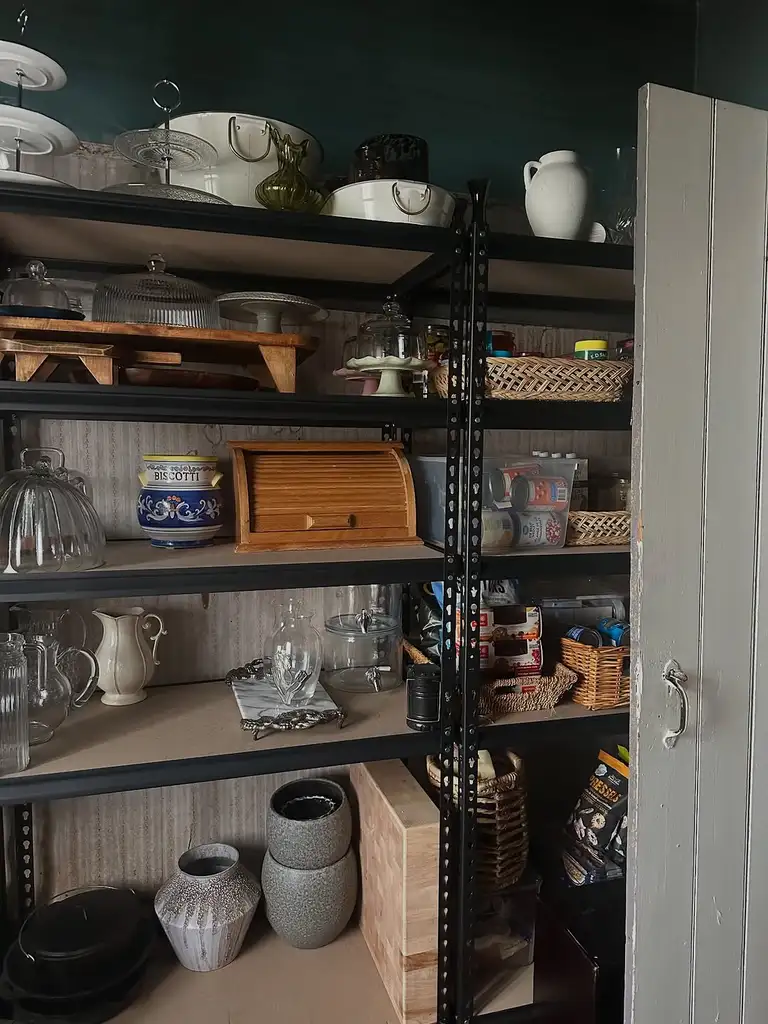
You have just packed the holiday decor away, so this is the perfect moment. Open each storage box once more and remove the broken ornaments you kept out of habit, the light string where half the bulbs are dead, and the decorations that stayed in the box this year because nobody wanted them up. If it did not get used this season, it rarely earns its storage space next season. Label each box with its room and contents — next December you will thank yourself.
14. Tired Decor: Faded Plants and Flat Pillows

Decor wears out quietly. Walk through the living room and bedroom with fresh eyes: fake plants faded grey-green by the sun, candles burned down to stubs in dusty holders, throw pillows that have gone flat and lumpy, and picture frames with cracked glass. These small tired pieces are what make a room feel dull even when it is clean. Keep the decor you still love, and let the rest go — a room with fewer, better pieces always looks richer.
For fresh inspiration on restyling the room afterward, see Seasonal Home Decor Ideas: Beautiful Ways to Refresh Your Home All Year.
15. Kids’ Toys and Games: Broken and Outgrown
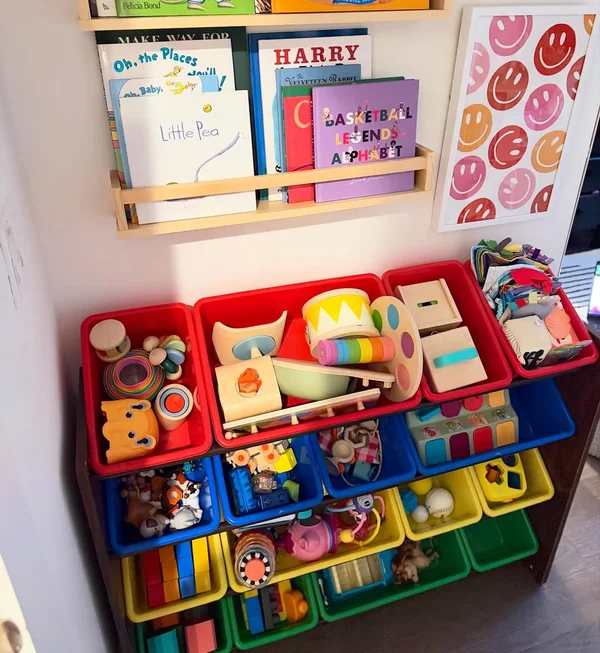
Work with your kids if they are old enough — they often know exactly what they have outgrown. Test the games and puzzles: missing pieces, dead electronic toys, dried-out markers, and broken crayons go out. Toys nobody has touched in 6 months can be donated while another child can still enjoy them. One closed box or basket per child for the “keep” toys keeps bedrooms and living rooms from sliding back. Broken plastic toys cannot be recycled in most areas, so they go in the trash without guilt.
16. Paper Piles: Bills, Manuals and School Papers
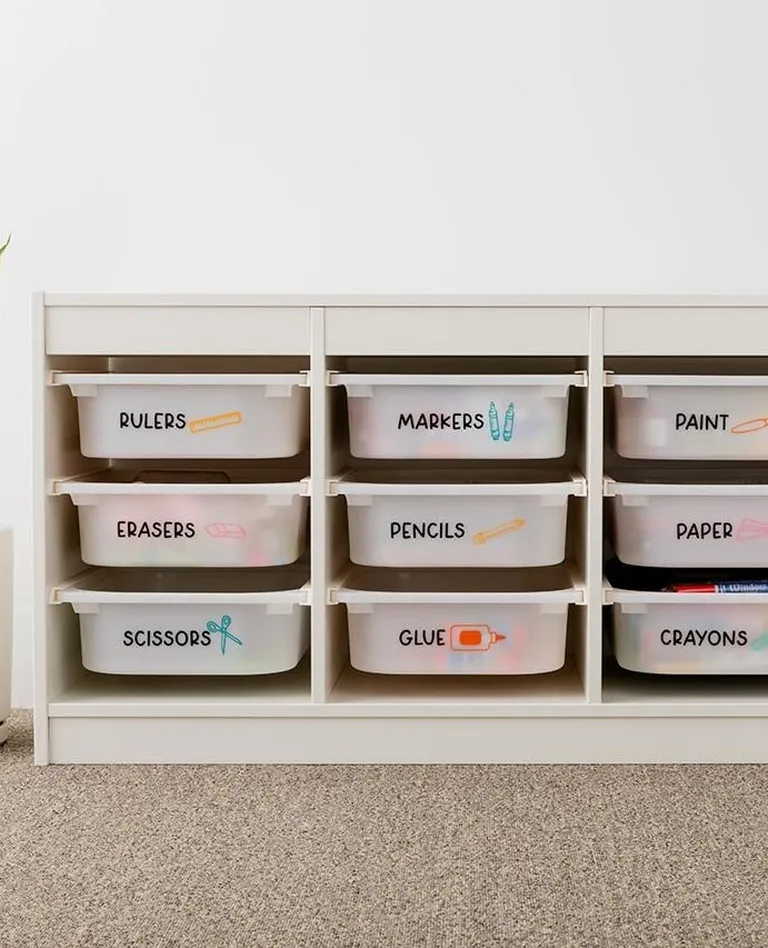
Paper is the sneakiest clutter because it arrives daily. Gather every pile in the house into one box, then sort fast: recycle junk mail, flyers, expired coupons, and catalogs on sight. File the small keep pile — tax papers, ID copies, warranties for things you still own. Manuals for appliances can almost all go; the same manuals are free on the maker’s website. Give school papers one folder per child for the year’s best pieces, and recycle the daily worksheets.
A simple laundry refresh works the same way — small, regular sorting wins; our Laundry Room Makeover on a Budget: Simple Ideas for a Fresh and Stylish Space shows the same idea in one hardworking room.
17. Garage and Storage Boxes: The Mystery Boxes

End with the biggest win. Open every box that has no label or a label like “misc.” Empty boxes from appliances you bought years ago, broken tools kept “for parts,” paint cans dried solid, and sports gear for hobbies that ended — these take up the most space for the least use. Set a hard rule: if you cannot name what is in a box without opening it, the box gets sorted today. Label what stays with big clear words, stack heaviest at the bottom, and leave one empty shelf as your reward.
Quick Tips
- Work one spot at a time and set a 20-minute timer — small finished spots beat one huge unfinished mess.
- Keep two bags ready the whole month: one for donations, one for trash, and take donations out weekly.
- Use the one-year rule for clothes and decor: not used in a year means it can go.
- Photograph a room before and after each spot; the photos keep you going on slow days.
- When something new comes in, let one old thing out — that one habit keeps January’s work alive all year.
Final Thoughts
Decluttering in January is not about owning almost nothing. It is about keeping the things you use and love, and letting the rest stop taking your space, your time, and your cleaning energy. Start with the pantry or the junk drawer — one small, visible win — and let that good feeling pull you to the next spot. By the end of the month, your home will feel calmer every time you walk in, and that is a fresh start worth having.
And when you are ready to add a few fresh touches back, our Affordable Home Decor Ideas: Simple Ways to Make Your Home Beautiful Without Spending a Lot shows how to do it kindly on a budget.



2 Comments