
Vegetable Garden Design Backyards: Stylish and Practical Ideas for Growing at Home

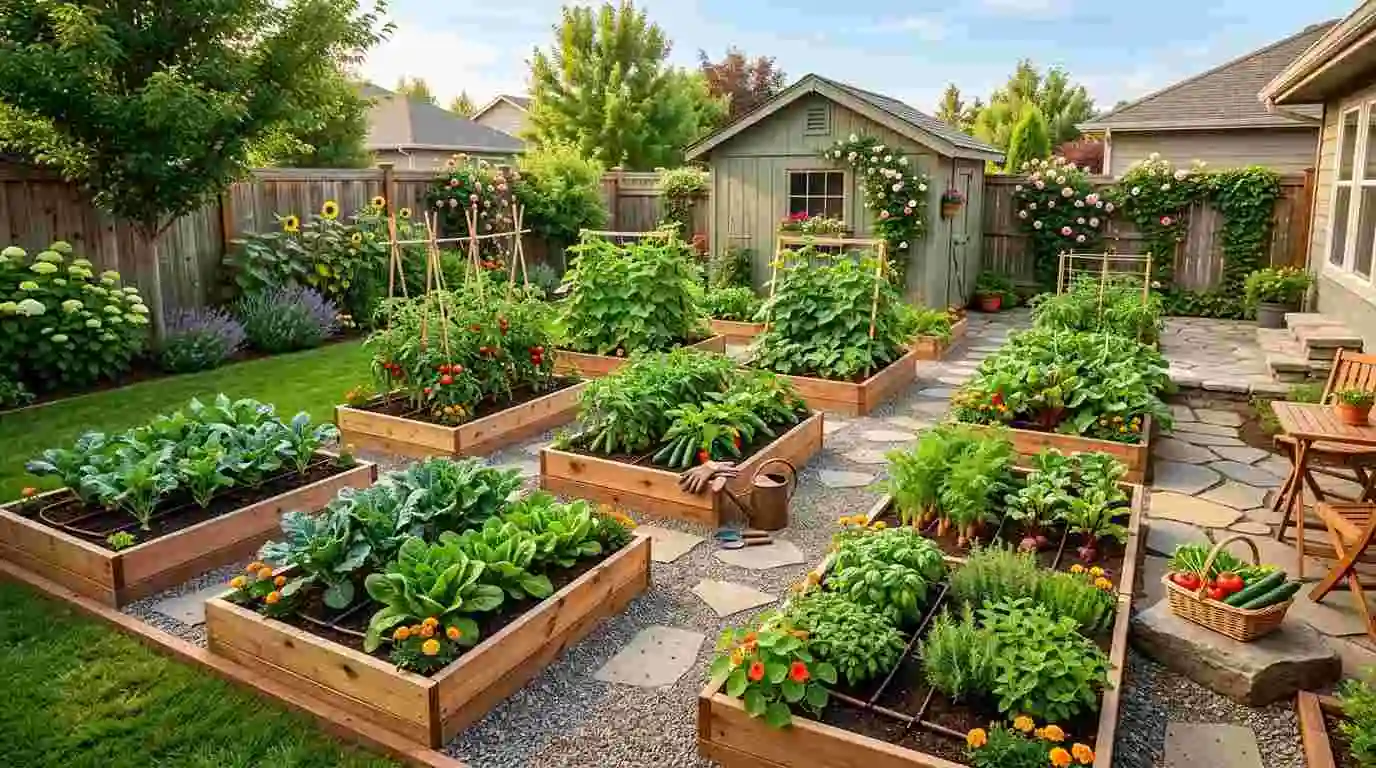
A backyard vegetable garden can be both useful and beautiful. With thoughtful planning, even a small outdoor area can become a productive garden filled with fresh vegetables, herbs, and greenery. The right layout makes it easier to care for plants while keeping the backyard attractive and organized. These vegetable garden design backyard ideas can help you create a practical growing space that fits naturally into your outdoor area.
1. Choose the Right Garden Location
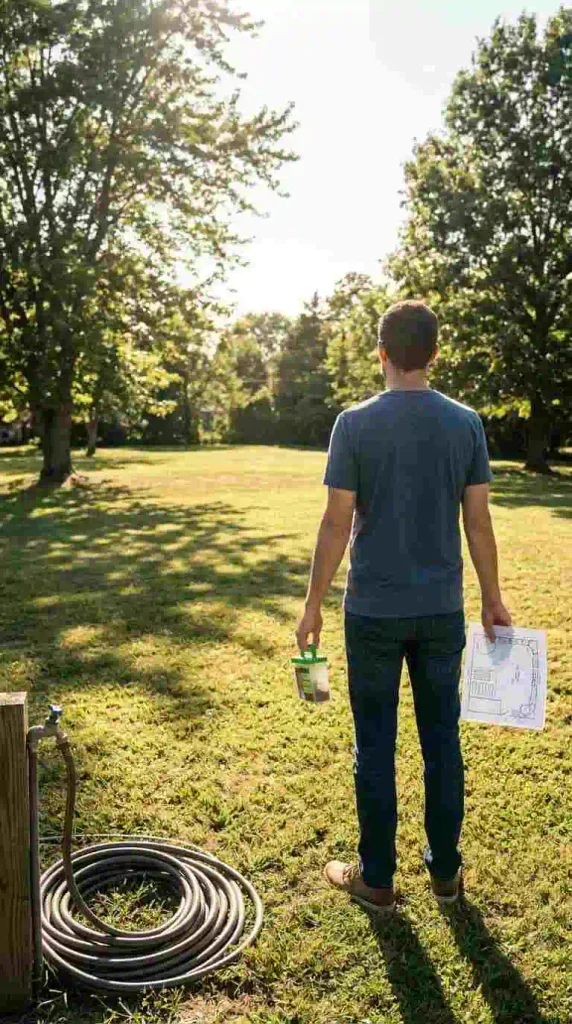
Start by selecting an area of the backyard that receives enough sunlight and has easy access to water. Most vegetables grow well when they receive several hours of direct sunlight each day. Keep the garden close enough to the house that watering and harvesting are convenient. You can also use an existing sunny corner rather than changing the entire backyard. For more outdoor inspiration, explore [First Home Decor Ideas: Stylish and Simple Ways to Make Your New Home Feel Special].
2. Create Simple Raised Garden Beds
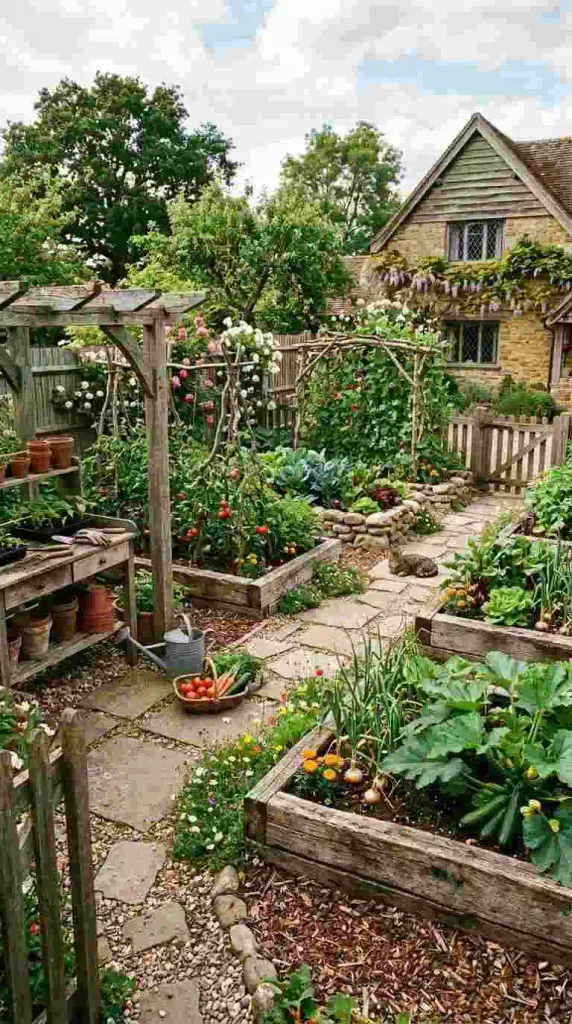
Raised beds are a practical choice for backyard vegetable gardening because they create clearly defined growing areas. Use wood, stone, or other suitable materials to build rectangular or square beds. Raised beds can make planting, watering, and harvesting easier while keeping vegetables organized. Leave comfortable pathways between the beds so you can reach every plant without stepping into the growing soil.
3. Use a Compact Vegetable Garden Layout
A small backyard can still support a productive vegetable garden when the layout is planned carefully. Place vegetables in organized rows or sections and use the available space efficiently. Grow compact plants along edges and taller crops toward the back where they will not block shorter plants. A simple layout can make the garden feel neat while allowing you to grow several different vegetables in one area.
4. Add Vertical Gardening Features
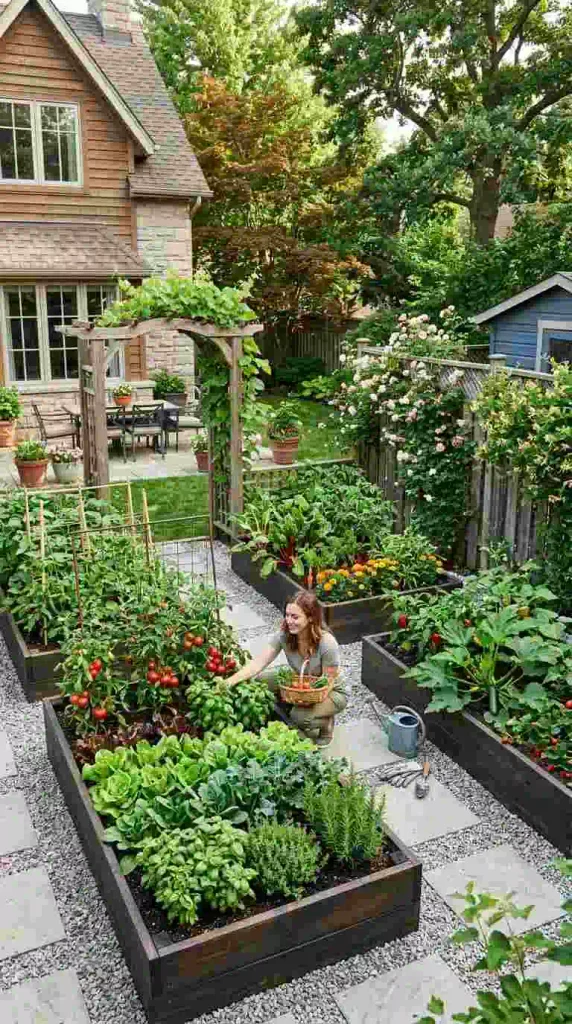
Vertical gardening is a smart way to make use of limited backyard space. Install trellises, garden arches, or simple supports for climbing vegetables such as beans, peas, and certain varieties of cucumbers. Growing upward leaves more ground space available for other plants. Vertical structures can also become attractive features that add height and visual interest to the garden.
5. Create Clear Garden Pathways
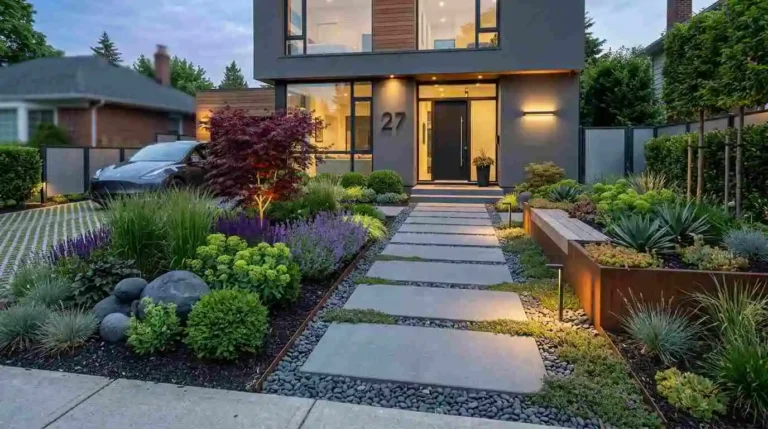
Well-designed pathways make a vegetable garden easier to maintain and give the backyard a more finished appearance. Use gravel, stepping stones, bricks, mulch, or other suitable materials between planting beds. Keep paths wide enough for comfortable movement and regular garden maintenance. A clear path system also helps separate growing areas and prevents accidental damage to plants.
6. Mix Vegetables With Herbs and Flowers
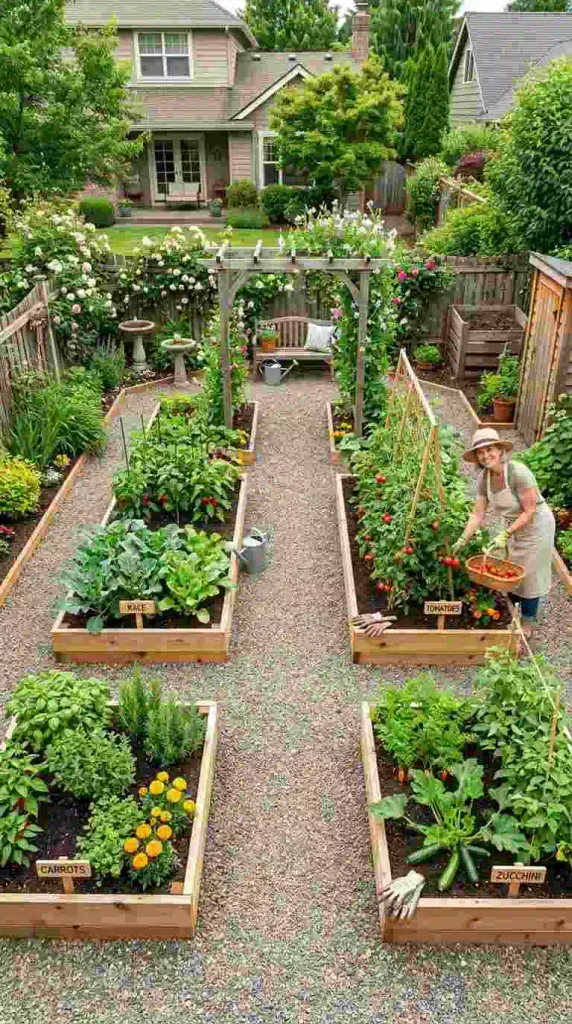
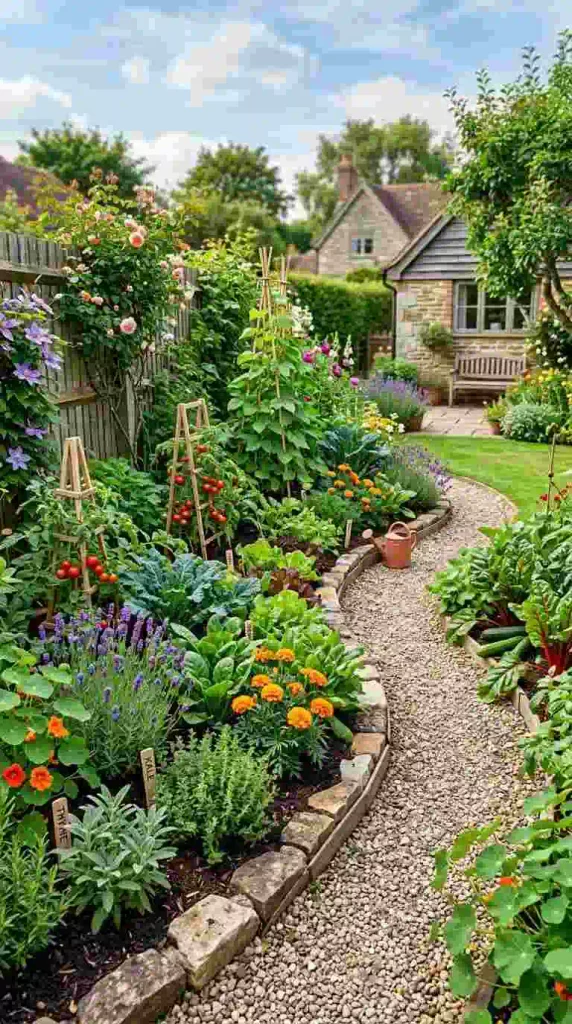
A backyard vegetable garden does not have to contain vegetables alone. Add herbs such as basil, mint, rosemary, or parsley around the growing beds. You can also include suitable flowers to add color and make the garden feel more decorative. Combining different types of plants can create a more natural and visually interesting landscape while making the garden feel like an intentional part of the backyard.
7. Use Natural and Rustic Materials
Natural materials can help the vegetable garden blend beautifully with the surrounding backyard. Wooden raised beds, stone edging, woven baskets, terracotta pots, and gravel pathways can create a relaxed garden appearance. Choose materials that complement your home’s exterior and existing landscaping. For a warm country-inspired look, explore [Backyard Patio Design: Stylish Ideas for a Comfortable Outdoor Space] and use rustic details around the vegetable beds.
8. Add Practical Watering Solutions
Make watering easy by planning access to a reliable water source before setting up the garden. A hose placed nearby can work well for smaller gardens, while drip irrigation or soaker systems can provide more targeted watering for larger growing areas. Mulching around plants can also help retain soil moisture. Keeping watering practical reduces daily effort and makes it easier to care for the garden consistently.
9. Create a Beautiful Garden Border
A defined border can separate the vegetable garden from lawns, patios, or other backyard areas. Use wooden edging, stones, bricks, or low plants to create a clear boundary. The border does not need to be elaborate; even a simple line around the planting area can make the garden look more organized. You can also use flowering plants around the edges to soften the appearance and add seasonal color.
10. Add a Small Garden Seating Area
A small seating area can make the vegetable garden more enjoyable. Place a simple bench, wooden chair, or small outdoor table near the garden where you can relax, observe the plants, or enjoy the fresh outdoor space. Keep the seating area close enough to feel connected to the garden without interfering with pathways or growing beds. For more ideas for creating a comfortable outdoor space, explore [Fall Halloween Home Decor Ideas: Create a Cozy and Spooky Seasonal Home].
Final Thoughts
A well-planned vegetable garden design backyard can combine productivity with beautiful outdoor style. Raised beds, vertical supports, clear pathways, natural materials, herbs, flowers, and practical watering systems can make gardening easier while keeping the backyard organized. Whether you have a large yard or a small corner, thoughtful planning can help you create a productive garden that feels like a natural extension of your outdoor living space. For more inspiration, explore [Bathroom Decor Shower Curtain: Stylish Ideas to Refresh Your Bathroom] and continue creating a beautiful and useful backyard.

3 Comments