
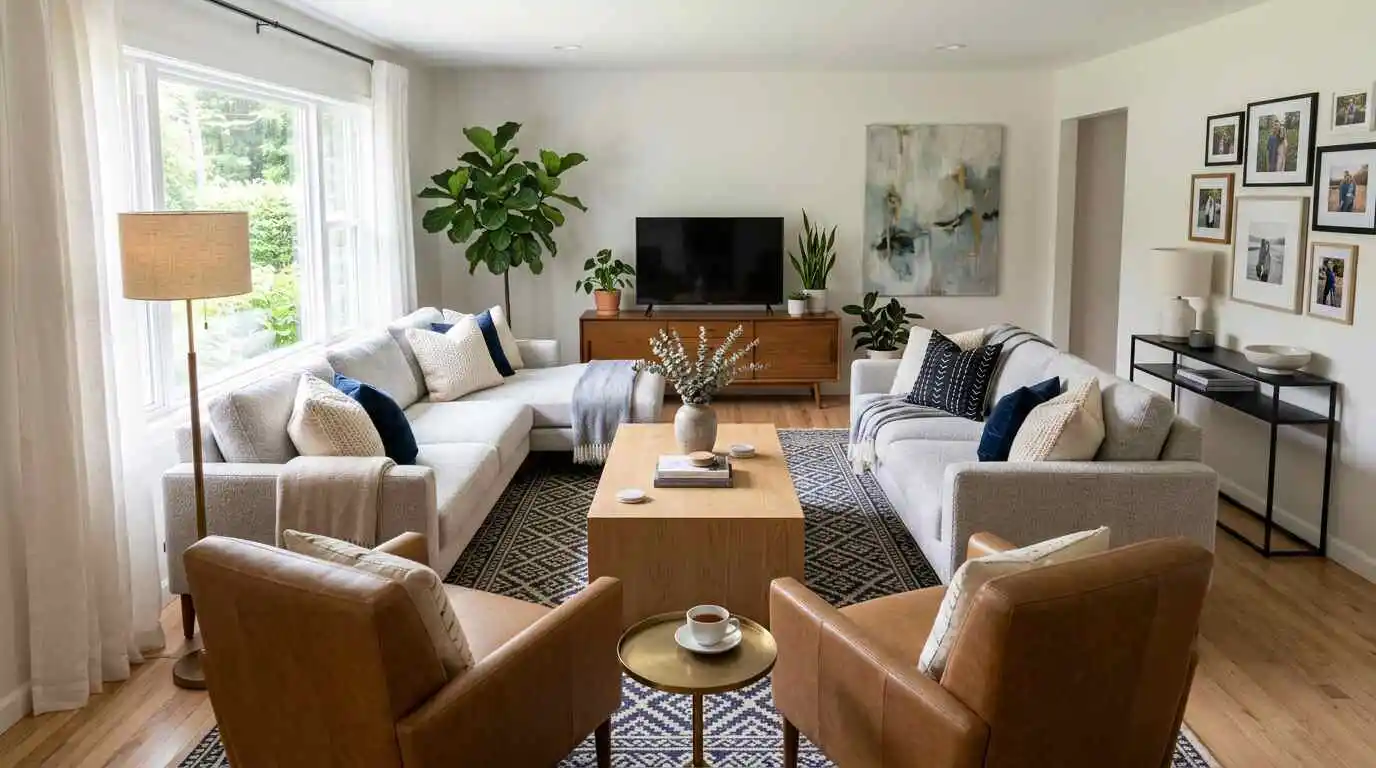
Living Room Furniture Arrangement Ideas: Stylish Ways to Create a Balanced Space

The right furniture arrangement can make a living room feel more spacious, comfortable, and functional. Even beautiful furniture can look awkward when it is placed without considering the room’s size, shape, focal point, and walking paths. A thoughtful arrangement helps create comfortable seating, clear movement, and a natural flow throughout the space. These living room furniture arrangement ideas can help you organize your furniture while creating a stylish and welcoming room.
1. Start With the Main Sofa
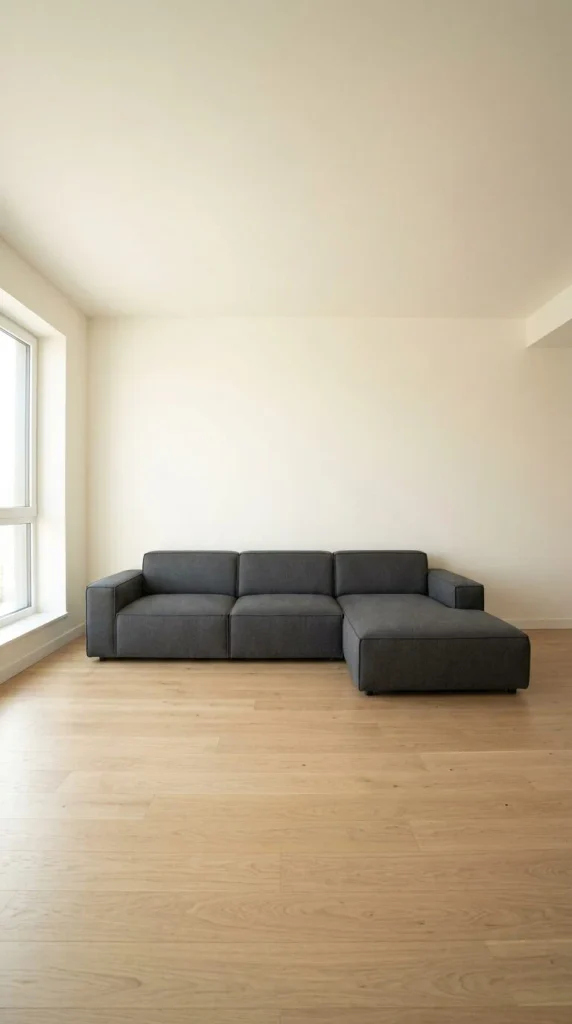
The sofa is usually the largest piece of living room furniture, so it is a good starting point for your arrangement. Place it against a wall or position it as a central anchor in a larger room. Once the sofa is in place, arrange chairs, tables, and other pieces around it. Make sure the sofa does not block doors, windows, or important walking paths. For more inspiration, explore [Home Decor Art Prints: Stylish and Creative Ways to Decorate Your Walls].
2. Create a Conversation Area
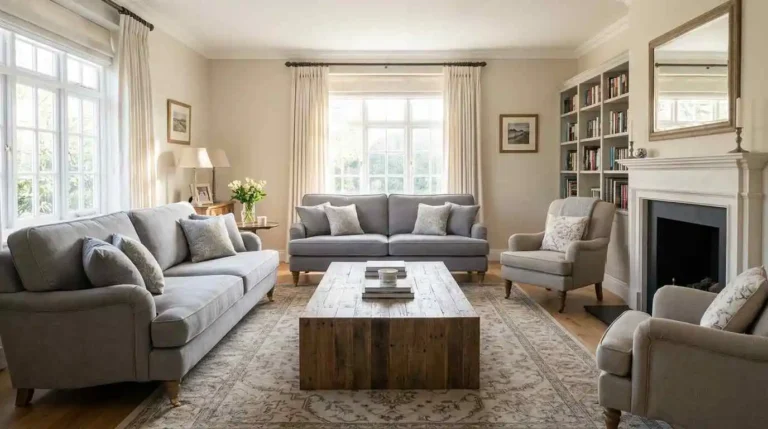
Arrange sofas and chairs so they face one another or sit at comfortable angles. This creates a natural space for conversations and makes the living room feel more inviting. A coffee table in the center can connect the seating pieces and provide a practical surface. Avoid placing furniture too far apart because this can make conversations feel disconnected and leave the room looking unfinished.
3. Arrange Furniture Around a Focal Point
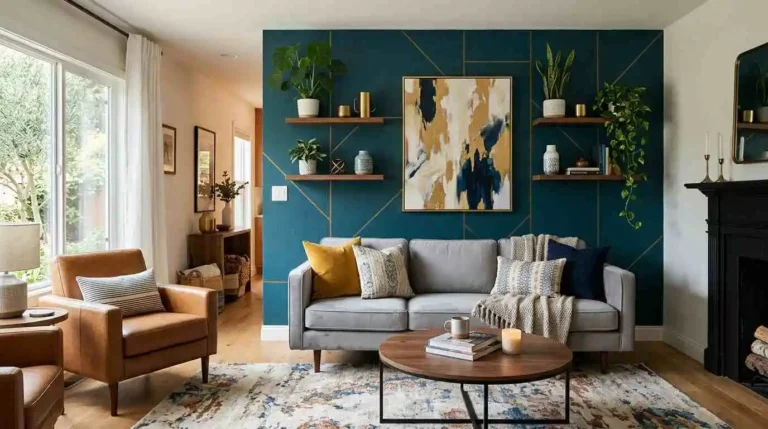
Choose one main feature as the focal point of your living room. It could be a fireplace, television, large window, artwork, or accent wall. Arrange the main seating so it naturally connects with this feature. If the room has several attractive features, avoid making all of them compete for attention. For more ideas, explore [Home Decor With Plants: Beautiful and Natural Ways to Style Your Home] and create a strong visual center for your arrangement.
4. Float Furniture in a Large Room
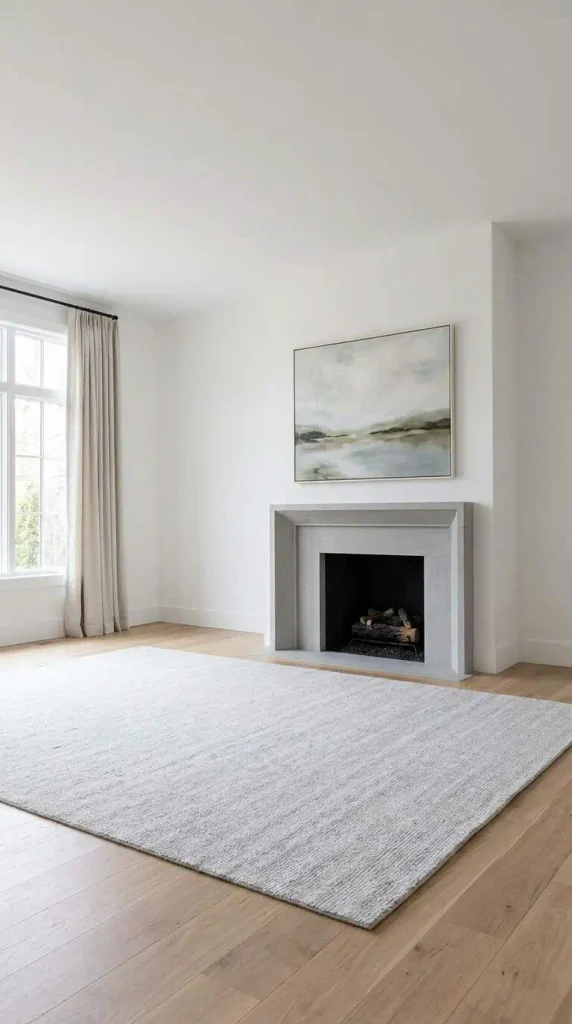
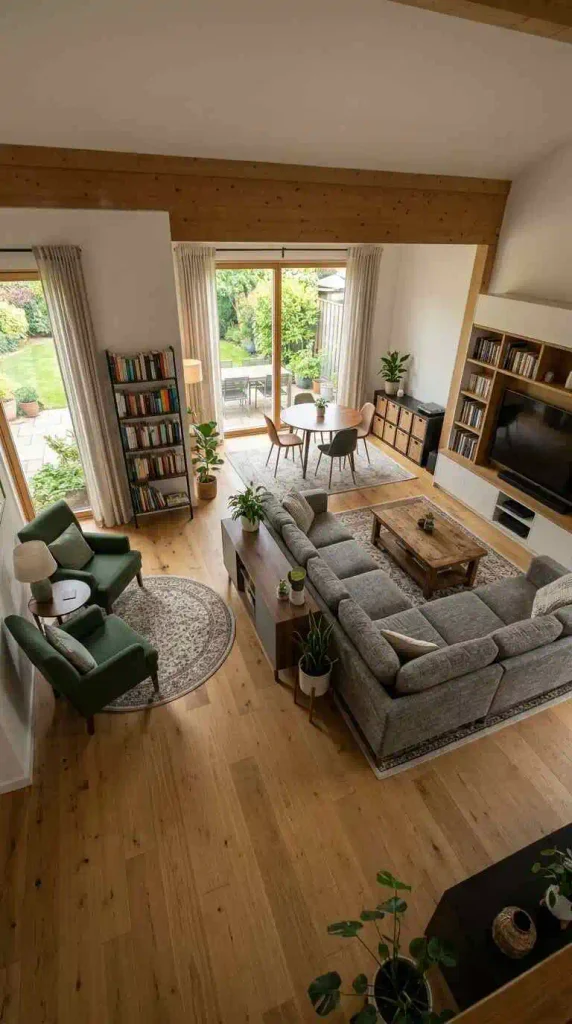
Large living rooms often benefit from moving furniture away from the walls. A sofa can be placed in the center of the room to define the seating area while leaving open space around the edges. Add a large rug underneath the furniture to visually connect the arrangement. A console table behind the sofa can also provide a useful surface for lamps, artwork, or decorative accessories.
5. Use a Compact Arrangement for Small Rooms
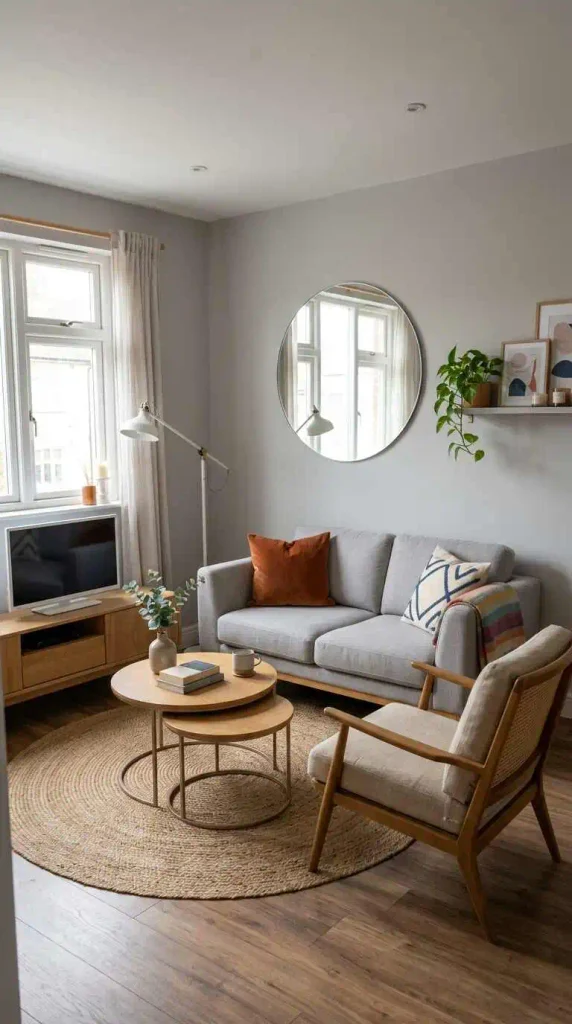
Small living rooms need furniture that fits the available space without creating unnecessary crowding. Choose a compact sofa, lightweight chairs, and a small coffee table with a simple shape. Furniture with visible legs can create a lighter visual appearance and make the floor feel more open. For additional inspiration, explore [Gray Bedroom Ideas for Women: Stylish and Cozy Ways to Create a Beautiful Retreat] and discover ways to make compact spaces comfortable.
6. Use an L-Shaped Seating Arrangement
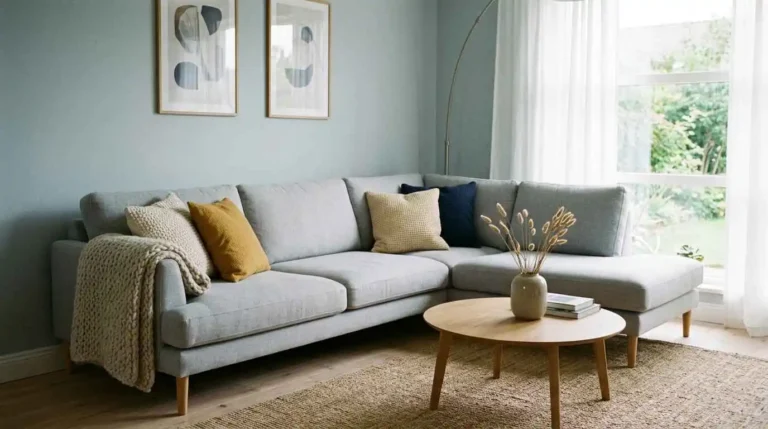
An L-shaped arrangement can work especially well for both family rooms and open living spaces. Position a sofa along one wall and add another seating piece perpendicular to it. This creates a comfortable corner without requiring a large amount of furniture. Add a coffee table or ottoman in the center to complete the arrangement. Keep the outer edges clear so people can move naturally through the room.
7. Create Separate Functional Zones
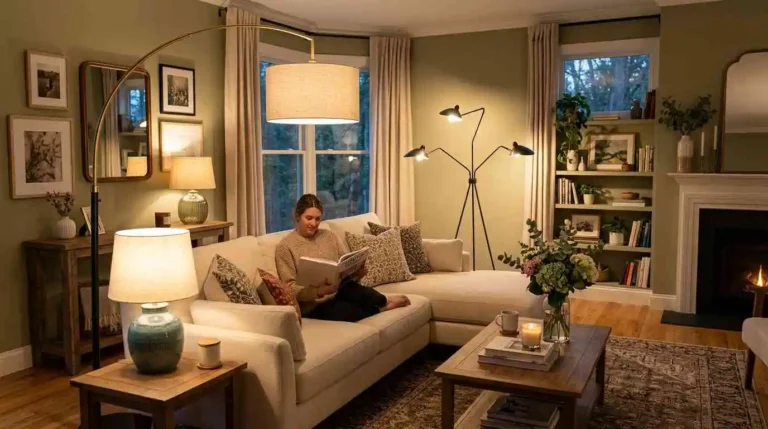
If your living room is large or open-plan, divide it into smaller functional areas. One area can be used for conversation, another for reading, and another for watching television. Rugs, chairs, lighting, and furniture placement can help define these zones without adding walls. For more inspiration, explore [UK Style Home Design: Elegant and Timeless Ideas for a Beautiful Home] and create a cohesive design across each area.
8. Leave Comfortable Walking Paths
Good furniture placement should always allow people to move easily around the room. Keep pathways between doors, windows, seating areas, and other rooms as clear as possible. Avoid placing coffee tables or decorative furniture directly in the main walking route. A clear layout makes the room feel more spacious and also improves everyday functionality.
9. Balance Furniture With Side Tables and Lighting
Small pieces can help complete the main furniture arrangement. Place side tables beside sofas and chairs so drinks, books, and lamps are easy to reach. Floor lamps can fill empty corners while providing useful lighting without requiring additional table space. For more lighting inspiration, explore [Patio Decorating Ideas on a Budget: Simple Ways to Create a Beautiful Outdoor Space] and create a comfortable layered atmosphere.
10. Keep the Overall Arrangement Balanced
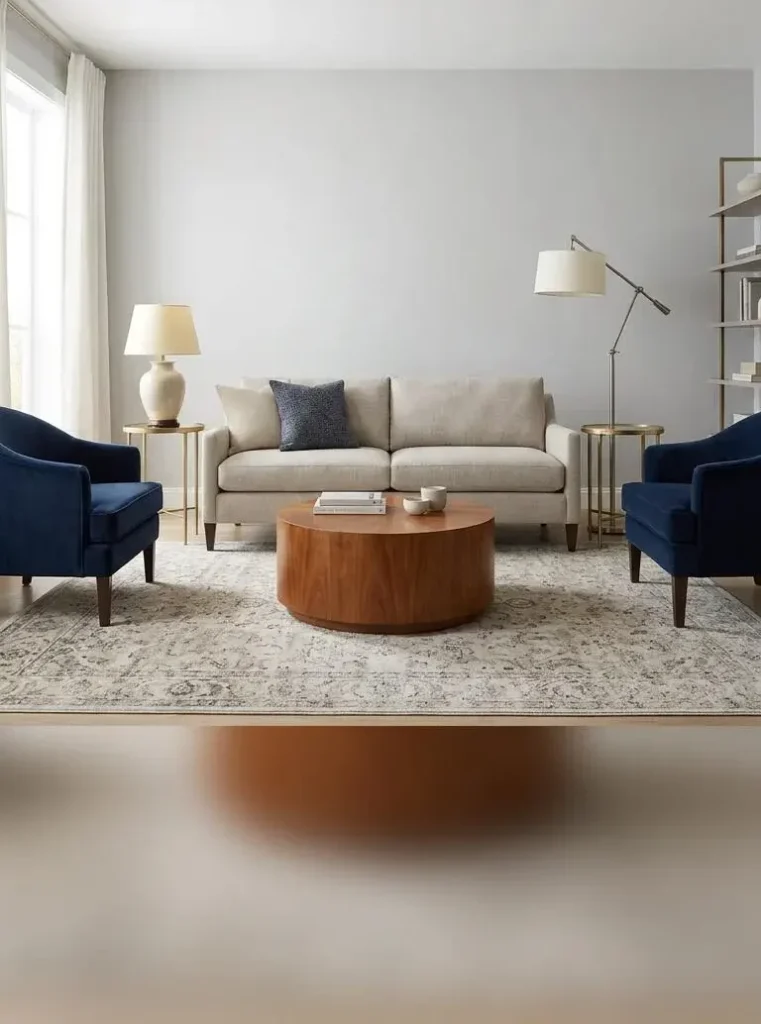
Once the main furniture is positioned, look at the room as a whole. Balance large furniture pieces with smaller chairs, tables, lamps, plants, and decorative accessories. Avoid placing all the heavy furniture on one side of the room because it can make the space feel visually uneven. For more ideas on selecting and combining furniture, and create an arrangement that feels connected and intentional.
Final Thoughts
The best living room furniture arrangement ideas combine comfort, movement, function, and visual balance. Start with your largest furniture pieces, identify the focal point, create clear walking paths, and use rugs and smaller accessories to connect the arrangement. Whether your room is large, small, open, or unusually shaped, thoughtful furniture placement can make it feel more inviting and practical. For additional inspiration, explore [Rustic Living Room Ideas Farmhouse Style: Warm and Cozy Ways to Create a Timeless Space] and create a living room that works beautifully for everyday life.
5 Comments